Best Crankbaits for Ontario Walleye
If you've ever stood in an aisle at your local tackle shop or browsed online, staring at walls of crankbaits, all promising to be "the one" for walleye, you know the struggle is real. Ontario's walleye fisheries are incredibly diverse, from vast open waters of the Great Lakes to intimate northern shield lakes and meandering rivers, and what works in one spot might fall flat in another. This guide is here to cut through the confusion and help you confidently choose the best crankbaits to put more walleye in your boat or on the ice, no matter where you're fishing in our beautiful province.
Understanding Walleye Behavior and Habitat in Ontario
To truly master the art of selecting the right crankbait, you first need to understand the fish you're chasing. Walleye are creatures of habit, yet they adapt to changing conditions and available forage. Their movements and feeding preferences throughout the year, as well as their preferred hangouts, dictate which crankbait you should tie on.
Seasonal Movements and Feeding Patterns
Walleye are constantly on the move, driven by spawning urges, water temperature, and the availability of their favourite food. Understanding these patterns is critical for success.
In the spring, after the ice melts, walleye are often found in shallower water, especially near rocky shorelines, river mouths, and tributary inflows, staging for or recovering from the spawn. They're often lethargic at first, but as water temperatures climb, they become more active feeders. During the pre-spawn, they're looking for an easy meal, and a slow-moving crankbait can be deadly. After the spawn, they'll often scatter a bit, but still utilize those shallower areas for feeding before transitioning deeper as summer approaches. You'll find a lot of folks focusing on those early season bites, and understanding Ontario Walleye Opener Dates by Zone is key.
As summer fully sets in, many walleye, particularly in larger lakes, will move to deeper, cooler water. They often relate to the thermocline – the layer of water where temperature changes rapidly – or to deep structure like humps, reefs, and sunken islands. At this time, they're often active feeders, but you need to get your lure down to them. Night fishing can also be incredibly effective during the summer months, as walleye will often move shallower to feed under the cover of darkness. This is when Night Fishing for Walleye in Ontario really shines.
Fall sees walleye packing on the feed in preparation for winter. They become incredibly aggressive, chasing down schools of baitfish. This can be a fantastic time to fish, as walleye often move shallower again, especially during cooler periods, following the bait. They're looking for larger meals and can be quite susceptible to bigger, faster-moving crankbaits.
Finally, during winter, walleye are still catchable through the ice, though their metabolism slows. They'll often school up on subtle structure or suspended bait. While jigging spoons and lipless crankbaits are primary, some specialized ice anglers will even troll tiny crankbaits under the ice or fish suspending models in tip-ups, mimicking baitfish that dart and pause.
Key Ontario Walleye Habitats
Walleye are opportunists, but they definitely have preferred homes. Knowing these spots helps you choose a crankbait that can effectively reach and attract them.
Structure is a walleye angler's best friend. Think about those classic walleye spots: underwater reefs, rocky humps, points extending into deeper water, and drop-offs. These areas offer ambush points and hold baitfish. A deep-diving crankbait is often the weapon of choice here, as it can be trolled or cast to bump along the bottom or the contours of these structures, triggering reaction strikes. Learning How to Read Structure for Walleye on Lake Erie can give you a significant edge in these environments.
Weed beds, especially those with distinct edges or pockets, are also prime walleye territory. Walleye will patrol these edges, darting in to ambush unsuspecting baitfish. Shallow to medium-diving crankbaits that can be retrieved just above the weeds or ripped through them without snagging are excellent here. Look for cabbage, milfoil, or even sparse coontail that offers cover.
In larger, more expansive lakes like Lake Erie or Lake of the Woods, walleye will often roam open water, suspending and following large schools of baitfish like smelt or shad. This is classic trolling country, where deep-diving crankbaits are pulled behind the boat, often with specialized gear to control depth. The goal is to cover vast areas and intercept those nomadic schools.
Finally, rivers and current seams present a different challenge. Walleye in rivers often hold in eddies, behind current breaks, or in deeper holes where they can conserve energy while waiting for food to drift by. Casting suspending jerkbaits or current-friendly crankbaits into these seams and letting the current work them can be incredibly effective.
Different Types of Crankbaits for Walleye
The world of crankbaits is vast, but for walleye, we can generally categorize them by their diving ability and action. Each type has its time and place, and understanding these differences is crucial for selecting the best tool for the job.
Diving Lip Crankbaits (Floating/Suspending)
These are likely what most anglers picture when they think of a crankbait. They feature a distinct plastic lip (or bill) at the front that catches water, forcing the lure to dive as it's retrieved.
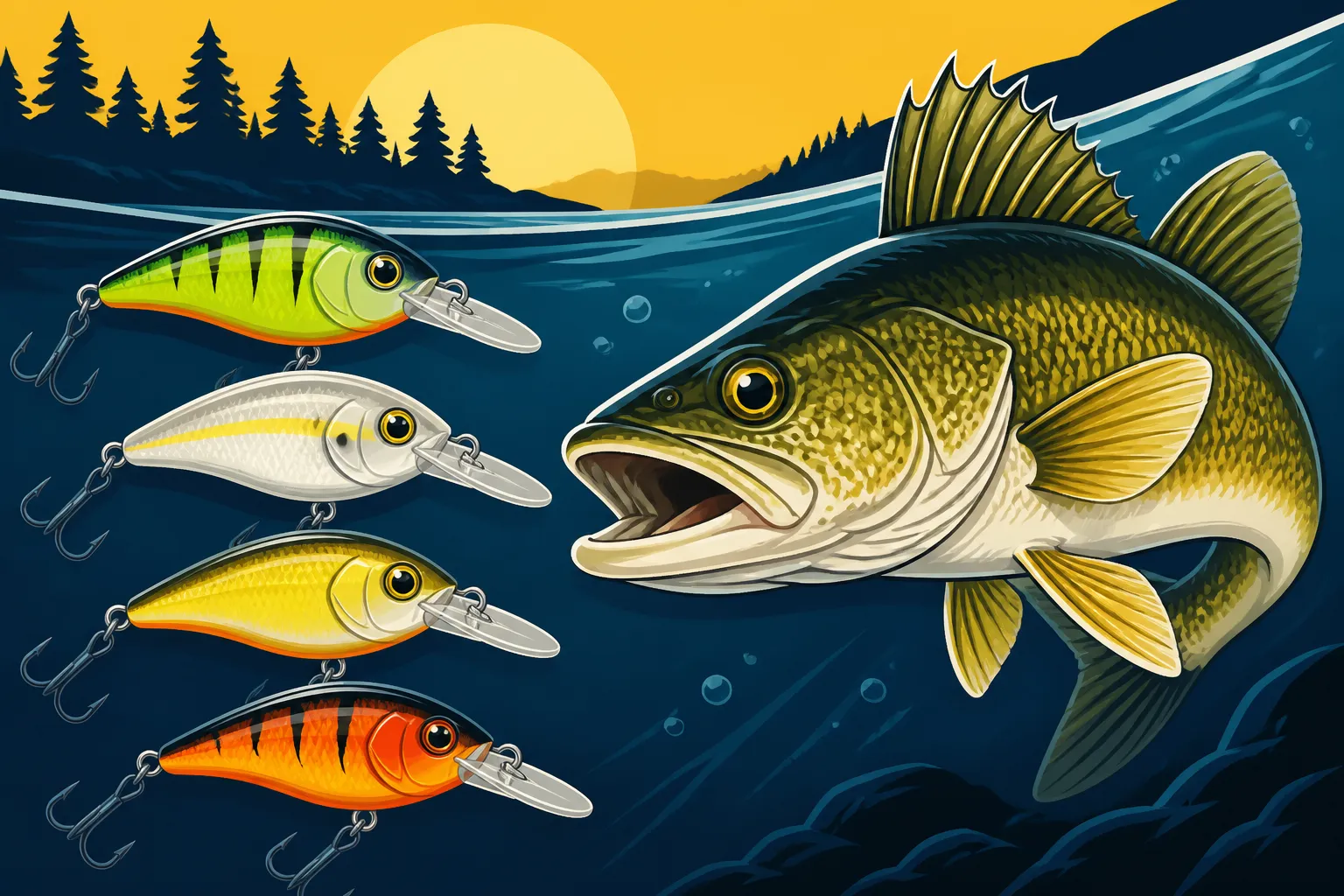
Shallow divers have a small, often rounded lip and typically run just a few feet deep. Think of lures like the classic Rapala Shad Rap or Berkley Flicker Shad in their shallow-running versions. These are fantastic for early season walleye when fish are in 5-10 feet of water, or for casting along weed edges and shallow rock shoals in summer evenings. They have a tight, subtle wiggle that mimics small baitfish perfectly, making them excellent for wary fish in clear water or when retrieved slowly. Best Walleye Lures for Lake Erie in Summer often include these for early morning or late evening bites.
Medium divers bridge the gap, featuring a slightly larger lip that allows them to reach depths of 8-15 feet on a typical cast or troll. Lipped minnows and medium-depth crankbaits are incredibly versatile, working well for many walleye scenarios. They're great for fishing over submerged weeds, along contours of mid-depth structure, or for targeting walleye that are suspended slightly deeper. Their action can vary from a tight wiggle to a wider, more aggressive wobble, depending on the specific lure.
Deep divers are easily identifiable by their long, often slender bill. These lures are designed to get down quickly and stay deep, often reaching 15-30+ feet on a long cast or troll. Brands like Reef Runner, Storm Deep ThunderStick, or certain Rapala Deep Tail Dancers are staples for deep-water walleye. They are indispensable for targeting walleye holding on deep structure, along sharp breaklines, or when trolling open water where fish are suspended. Their aggressive wobble and dive angle make them highly effective for triggering strikes from active fish in deeper water.
Lipless Crankbaits
Unlike their lipped counterparts, lipless crankbaits have no external diving lip. Their action and dive are generated by their flat, angled head and internal weighting.
These lures are typically dense and sink quickly, making them excellent for covering water or for vertical presentations. They're famous for their loud rattle chambers, which emit a distinct vibration and sound as they're retrieved, attracting walleye from a distance, especially in stained or dark water. Popular choices include the Rapala Rippin' Rap or the Bill Lewis Rat-L-Trap. They can be cast and retrieved with a steady pull, yo-yoed off the bottom, or vertically jigged through the ice or over deep structure. They excel in weedy areas because they can be ripped free from snags relatively easily, and their fast sink rate gets them down quickly to fish holding tight to cover.
Stickbaits/Jerkbaits
While often lumped in with crankbaits, stickbaits or jerkbaits have a more nuanced action. They typically have a thin, elongated body that closely mimics a minnow. Many are suspending, meaning they will hover at a particular depth when paused.
These lures are fantastic for twitching and pausing, imitating a wounded baitfish struggling to swim. The erratic, stop-and-go retrieve can be absolutely deadly for triggering strikes from finicky walleye, especially in colder water periods like early spring or late fall when fish are less willing to chase. Brands like Rapala Husky Jerk or the Smithwick Suspending Rattlin' Rogue are classics in this category. They shine when walleye are lethargic or when you're targeting specific pieces of structure that you can work the lure around meticulously. The pause is often when the strike occurs, making them incredibly exciting to fish.
Matching Crankbaits to Ontario's Diverse Waters and Conditions
Ontario's waters offer a huge range of conditions, from the crystal-clear depths of Georgian Bay to the tannin-stained rivers of Northern Ontario. Choosing the right crankbait isn't just about type; it's about matching the lure to the specific environment you're fishing.
Clear Water vs. Stained Water
The clarity of the water dramatically impacts a walleye's ability to see and react to your lure.
In clear water, like many of the lakes in Muskoka or parts of the Great Lakes, walleye rely heavily on their eyesight. This means natural colours and subtle flashes are often more effective. Think patterns that mimic common baitfish in the area: perch, smelt, emerald shiners, or ciscoes. Transparent or semi-transparent colours, matte finishes, and patterns with fine scales or subtle glitter can be deadly. You want to present a realistic meal that doesn't scream "fake." Sometimes, even a plain silver or gold can work wonders, especially on sunny days. Subtle rattles or no rattles at all can also be preferred by wary fish in clear conditions. Best Fluorocarbon Leader for Clear Water Walleye is also something to consider here, as it's less visible than mono.
Conversely, in stained or muddy water, such as many river systems after a heavy rain or some shield lakes with darker tea-stained water, walleye rely more on their lateral line and hearing to locate prey. This is where bright, high-contrast colours truly shine. Firetiger, hot pink, chartreuse, or fluorescent orange can be irresistible because they stand out visually in low visibility. Lures with strong rattles or a wide, thumping wobble also perform exceptionally well, sending out vibrations that walleye can home in on. Don't be afraid to go bold; sometimes the gaudier the better! If you're struggling to get bites in murky conditions, check out our guide on Best Lure Color for Muddy Water Walleye Fishing for more tips.
Shallow Water vs. Deep Water Techniques
The depth at which walleye are holding is perhaps the most critical factor in crankbait selection. You need a lure that can effectively reach and stay in the strike zone.
For shallow water (typically less than 15 feet), casting is often the primary technique. You'll want to use shallow-diving crankbaits or suspending stickbaits that can be retrieved effectively without constantly digging into the bottom. Experiment with retrieve speeds and pauses to find what triggers bites. When fishing over submerged weeds, a shallow-runner that just ticks the top of the greenery can be deadly.
When walleye move to deep water (15 feet or more), your tactics need to change. Trolling becomes highly effective, allowing you to cover vast amounts of water and present deep-diving crankbaits at precise depths. For truly deep presentations, you might need to employ additional tools like lead core line, snap weights, or even downriggers to get your lure into the thermocline or hugging the bottom of deep structure. Vertical jigging lipless crankbaits can also be effective when walleye are tightly schooled on deep humps. Remember, the deeper you go, the more important it is to match the crankbait's dive curve to the fish's actual depth.
Trolling vs. Casting Applications
Both trolling and casting are highly effective ways to fish crankbaits for walleye, but they demand different lure choices and techniques.
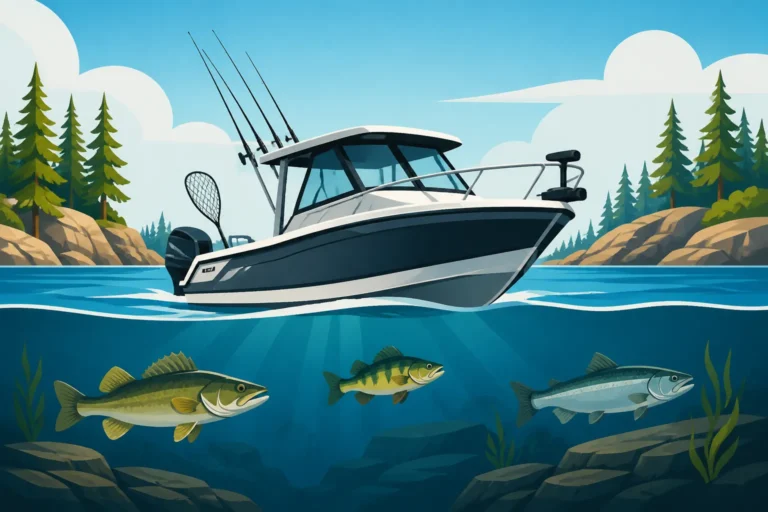
Trolling is a powerful technique for covering large expanses of water, especially in big lakes like Lake Erie, Lake Huron, or Lake Superior. It allows you to present your crankbait at a consistent depth and speed, which can be crucial for active walleye. When trolling, you'll often use deep-diving crankbaits that can reach the target depth on their own or with the aid of line counters and specialized rigging. The key is to match your trolling speed to the lure's action and the fish's mood. Sometimes a slow, methodical pace is best, while other times a faster "snap troll" can generate strikes. Long, thin-billed crankbaits are often favoured for their stability and depth-reaching capabilities when trolled. Best Trolling Speed for Lake Trout principles can often apply, though walleye generally prefer a slightly slower pace.
Casting crankbaits is more of a precision game, ideal for working specific pieces of structure like rocky points, weed edges, fallen trees, or current seams in rivers. For casting, you'll typically use shallow to medium-diving crankbaits or suspending jerkbaits. The advantage of casting is the ability to vary your retrieve, rip the lure free from weeds, or impart an erratic action that's harder to achieve with a steady troll. It's often preferred in smaller bodies of water or when fishing from shore or a kayak. You'll want a rod and reel setup that allows for long, accurate casts and good control over the lure.
Essential Crankbait Features and Considerations
Beyond just the type of crankbait, there are several key features that can make a huge difference in your success. Paying attention to these details can help you fine-tune your presentation and truly dial in the bite.
Color Patterns and Why They Matter
Crankbait colours are more than just eye candy for anglers; they mimic the local forage, stand out in certain conditions, or trigger aggressive responses.
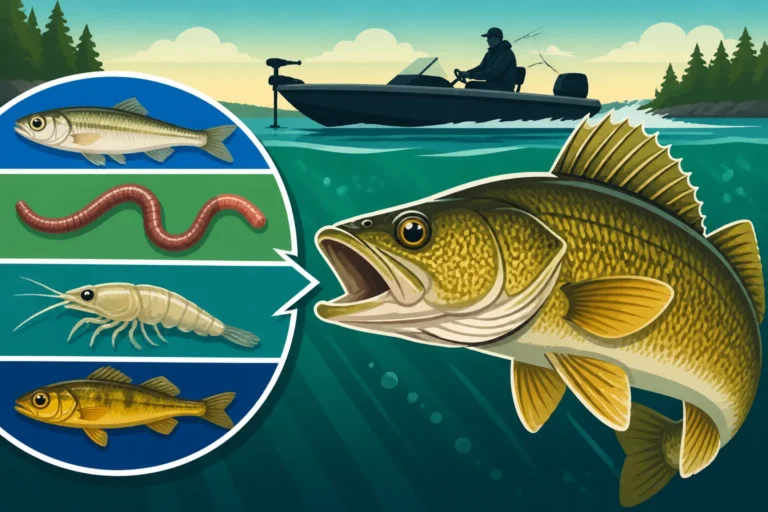
Natural patterns are always a safe bet, especially in clear water where walleye can get a good look at your lure. Colours like perch, emerald shiner, smelt, or cisco patterns are designed to imitate the actual baitfish that walleye feed on in Ontario. These often feature subtle greens, silvers, browns, and blacks, with realistic scale patterns. It’s always a good idea to research the predominant baitfish in the specific lake or river you'll be fishing and match your crankbait patterns accordingly. Our guide on What Walleye Eat in Ontario Lakes can provide some excellent insights here.
Bright, high-contrast patterns are fantastic for stained or murky water, or when walleye are highly aggressive. Firetiger (a vibrant mix of green, yellow, orange, and black stripes), hot pink, chartreuse, and fluorescent orange are classic examples. These colours create a strong visual silhouette and are easily seen in low light conditions or when water clarity is poor. They can also elicit a pure reaction strike, even from fish that aren't actively feeding.
Don't forget darker patterns for night fishing or very low light. Black, deep purples, or dark blues create a strong silhouette against the lighter sky or water surface, making them easier for walleye to track. Many night anglers swear by dark-coloured crankbaits, especially when walleye move into shallow water after sunset. Check out Night Fishing for Walleye in Ontario for more on this.
Finally, consider UV finishes. Many crankbaits now incorporate UV-reactive paints or coatings that absorb ultraviolet light and re-emit it as visible light. This can make the lure "glow" subtly to fish, especially in deeper water where UV light penetrates further than visible light. It's an extra edge, particularly on cloudy days or in deeper, darker conditions.
Rattle Chambers and Sound Profile
The sound a crankbait makes can be as important as its visual appeal, especially when visibility is limited.
Some crankbaits are silent, relying purely on their action and appearance. These are often preferred in very clear, heavily pressured waters where walleye are easily spooked by unnatural sounds. A subtle, silent presentation can sometimes be the key to tricking wary fish.
Most crankbaits, however, feature rattle chambers – small internal compartments with lead, steel, or glass beads that create noise as the lure moves through the water. The sound can vary from a subtle click to a loud, aggressive clatter. Generally, louder rattles are effective in stained or muddy water, or when you want to call in fish from a distance. The vibrations and sound waves travel well in these conditions, helping walleye locate the lure.
Conversely, subtle rattles are often preferred in clear water or when fish are less aggressive. A lighter tap or softer rattle can be less alarming to finicky walleye. Experimentation is key here; sometimes the fish prefer silence, other times they want a full-blown racket.
Running Depth and Lip Design
The size and angle of a crankbait's lip (or bill) are the primary determinants of its running depth and action. This is crucial for matching your lure to where the walleye are holding.
A small, steep lip typically results in a shallower dive and often a tighter, more subtle wiggle. These are your shallow-runners, ideal for the top few feet of the water column.
A larger, longer, and more horizontal lip will make the crankbait dive deeper and often produce a wider, more aggressive wobble. These are your deep-divers, essential for reaching fish at 15-30+ feet. The lip also protects the hooks from snags when the lure is bumping along the bottom, which is a common and effective tactic for walleye.
It's also worth noting the difference between round vs. square bills. Round bills typically have a smoother, more consistent dive and are good for open water or light cover. Square bills, on the other hand, are designed to deflect off cover more aggressively, creating an erratic, reaction-inducing action. While more common for bass, square bills can be effective for walleye holding in rocky, shallow areas.
Top Crankbait Choices for Ontario Walleye Anglers
With so many options out there, it can be tough to narrow down the field. However, some crankbaits have earned legendary status among Ontario walleye anglers for their consistent performance across various conditions.
Popular Models and Their Best Uses
When you walk into a store like Bass Pro Shops or browse online on Amazon, you'll see a plethora of crankbaits. But certain ones truly stand out for walleye.
The Rapala Shad Rap is a classic for a reason. This balsa wood crankbait has an incredibly lifelike action and comes in a range of sizes and dive depths. Its tight wiggle and subtle profile make it incredibly versatile for both casting and trolling, especially in cooler water or when fish are finicky. It's deadly in spring and fall, but the deeper diving models can also catch summer walleye. Many anglers consider it a "do-it-all" crankbait.
The Berkley Flicker Shad is another immensely popular choice, particularly for trolling in larger bodies of water like Lake Erie. It's a plastic lure known for its realistic baitfish profile, strong vibration, and consistent depth-keeping ability. These are often found at very accessible price points and come in a huge array of colours, making it easy to stock up. They’re a staple for many dedicated walleye tournament anglers, especially on the Great Lakes. You can often find great bulk deals on these on sites like Amazon.
For deep trolling, few lures are as iconic as the Reef Runner series, particularly the Deep Diver and Ripstick models. These lures are designed to get down quickly and stay in the strike zone, with an erratic, darting action that walleye can't resist. They are staples for open-water trolling for walleye on Lake Erie, Lake Huron, and Lake of the Woods, where fish often suspend or relate to deep structure. Their unique action makes them stand out.
The Cotton Cordell Wally Diver is another time-tested classic, especially for river walleye or when casting for shallow-water fish. It has a distinctive wide wobble and a good deflection off cover. It's a robust lure that handles current well and can be very effective when walleye are aggressive.
Customizing Your Crankbait Arsenal
No single crankbait will catch walleye in every situation. A smart angler builds a diverse arsenal.
Start by acquiring a variety of sizes. Small crankbaits (e.g., 2-3 inches) are great for mimicking smaller baitfish, for finicky fish, or when the walleye are keyed in on a specific forage size. Larger crankbaits (e.g., 4-6+ inches) are excellent for targeting bigger fish, especially in fall when walleye are looking for a substantial meal.
Accumulate a range of colours. As discussed, having natural patterns for clear water and bright, high-contrast patterns for stained water is essential. Don't be afraid to have a few "wild card" colours that are completely outside the box; sometimes, a completely unnatural colour can trigger a bite when nothing else will.
Consider replacing the hooks on your crankbaits. Many factory hooks are adequate, but upgrading to sharper, stronger trebles can increase your hook-up ratio and prevent fish from throwing the hook, especially when targeting larger walleye. You might also swap out trebles for single, in-line hooks in some catch-and-release scenarios for easier unhooking and less harm to the fish.
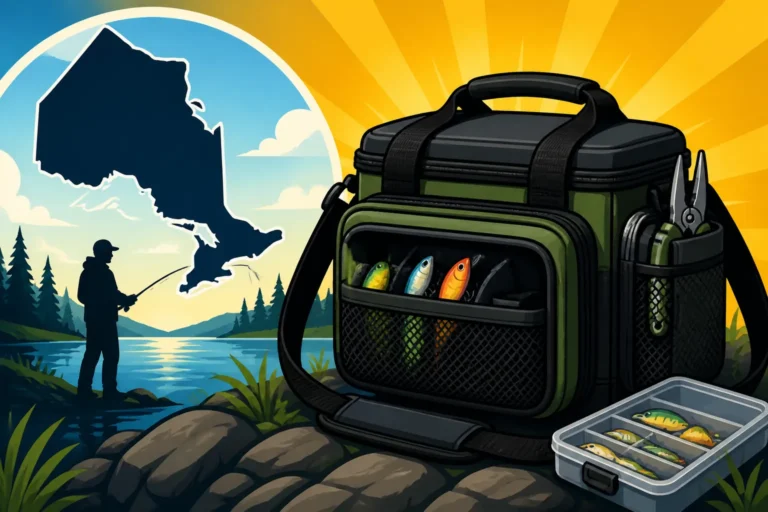
Finally, organize your crankbaits so they are easily accessible. A well-organized tackle box or bag means less fumbling and more fishing. This is particularly important when you need to make quick changes on the water. Bass Pro Shops often has excellent tackle storage solutions that can keep your crankbaits tangle-free.
Advanced Tips for Maximizing Crankbait Success
Beyond simply choosing the right lure, how you present it makes all the difference. Mastering retrieve techniques and having the right equipment will elevate your crankbait game.
Speed, Retrieve, and Pause Techniques
The way you work your crankbait can be the single most important factor in whether a walleye strikes or not. Walleye are predators, and they react to movement, vibration, and cues that suggest an easy meal.
For trolling, don't just set it and forget it. Vary your boat speed slightly. Accelerate and decelerate in subtle bursts, or make gentle S-turns. These changes in speed will cause your crankbait to surge and slow, creating an erratic action that can trigger a following walleye to strike. This "snap trolling" or varying of speed is often more effective than a perfectly constant speed. Sometimes, subtle pauses, achieved by briefly taking the boat out of gear, can also be dynamite.
When casting, experiment with your retrieve speed. Sometimes a slow, steady retrieve is all it takes, particularly in cold water or when fish are lethargic. Other times, a fast retrieve, almost burning the lure back, can elicit a reaction strike from aggressive walleye. The "stop-and-go" retrieve is incredibly effective, especially with suspending jerkbaits. Retrieve for a few turns, then pause, letting the lure hang motionless. This imitation of a wounded baitfish is often irresistible. The principles of How to fish a jerkbait for early spring bass can be directly applied to walleye as well. Don't be afraid to rip the lure when it hits cover; that sudden deflection can often be the moment a walleye strikes.
| Crankbait Type | Typical Depth Range | Best Use Cases | Common Actions / Sounds | Ideal Conditions |
|---|---|---|---|---|
| Shallow Diver | 1-8 feet | Casting, shallow trolling, over weed tops | Tight wiggle, subtle wobble | Early season, clear water, low light |
| Medium Diver | 8-15 feet | General casting/trolling, mid-depth structure | Moderate wobble, varied rattles | Versatile, all seasons |
| Deep Diver | 15-30+ feet | Deep trolling, probing deep structure / breaklines | Wide, aggressive wobble, strong rattles | Deep water, open water, stained conditions |
| Lipless Crankbait | All depths (sinking) | Vertical jigging, casting/retrieving, ripping weeds | High vibration, loud rattles | Weedy areas, stained water, active fish |
| Suspending Stickbait | 2-10 feet | Twitching/pausing, cold water casting | Erratic darting, suspending on pause | Cold water, finicky fish, clear water |
Rod, Reel, and Line Setup for Crankbait Fishing
Your tackle setup plays a crucial role in how effectively you can present and fight fish on crankbaits.
For trolling, a medium-heavy power rod with a moderate or moderate-fast action is usually preferred. The moderate action acts as a shock absorber, helping to keep fish hooked when they hit a fast-moving lure. A rod around 7 to 9 feet is common for trolling, as it helps spread lines and absorbs the force of a striking fish. A baitcasting reel with a line counter is almost a necessity for precise depth control when trolling. For line, 10-14lb monofilament or fluorocarbon is common, or you can use braided line with a fluorocarbon leader for increased sensitivity and less stretch. Best Spinning Rods for Walleye can also be used for lighter crankbait applications, but baitcasters are often preferred for trolling.
For casting crankbaits and jerkbaits, a medium to medium-heavy power rod, typically 6'6" to 7'6" in length, with a moderate-fast action is a great choice. This action allows for good casting distance and helps the fish engulf the lure before setting the hook, as well as preventing the hooks from tearing out during the fight. A spinning reel in the 2500-3000 size is versatile, spooled with 8-12lb fluorocarbon or a braid-to-fluorocarbon leader setup. Fluorocarbon is often preferred for crankbaits due to its low stretch, which enhances feel, and its invisibility underwater.
Choosing the right line is essential. While braid offers incredible sensitivity and strength, its lack of stretch can sometimes cause hooks to pull free. Monofilament has more stretch and is more forgiving, making it a good choice for treble hook lures. Fluorocarbon offers a good balance, with low stretch for sensitivity and excellent abrasion resistance. Always consider a Best Fluorocarbon Leader for Clear Water Walleye for leader material, especially in clear water or when using braid.
By understanding walleye behavior, selecting the right crankbait type, matching it to the conditions, and employing effective presentation techniques, you'll be well on your way to becoming a more successful walleye angler in Ontario. Tight lines!
Disclaimer
This article is for general informational purposes only and does not constitute professional advice. Laws, prices and regulations vary by location and change over time. Consult a qualified professional for guidance on your specific situation.