Ontario fishing license reciprocity with Manitoba boundary waters
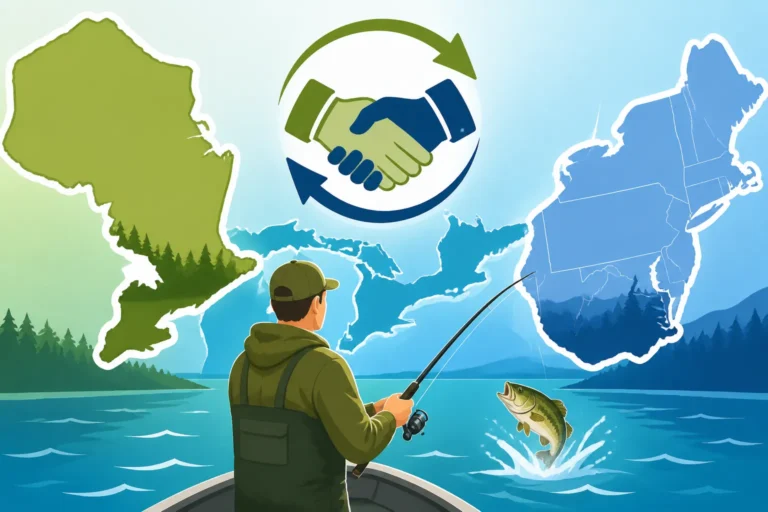
It's incredibly frustrating when you're planning a fishing trip to a beautiful border region, only to be bogged down by confusing rules about licenses. You just want to enjoy the water, but the thought of getting fined for a technicality can really put a damper on things. This guide is here to clear up all the confusion surrounding Ontario fishing license reciprocity with Manitoba boundary waters, so you can focus on reeling in that trophy catch, not on legal worries.
Understanding the Reciprocity Conundrum
Fishing across provincial borders is a unique challenge, and it’s a question I hear all the time from anglers. The idea of "boundary waters" suggests a shared space, but the reality is that regulations don't always flow as smoothly as the water itself. You're essentially dealing with two sets of laws governing the same body of water, and knowing which applies when can feel like navigating a maze without a map. But don't worry, once you understand the core principles, it becomes much clearer.
The Basics of Fishing Licenses
Before we dive into the specifics of Ontario and Manitoba, let's just touch on why we even have fishing licenses in the first place. These aren't just a revenue stream; they're vital tools for managing our precious fish populations. The funds generated from licenses go directly towards conservation efforts, fish stocking programs, habitat restoration, and enforcement. Each province has its own system, from the Ontario Outdoors Card, Explained which is a prerequisite for your actual license, to various types of licenses like the Ontario Sport vs Conservation Fishing License. These systems help biologists monitor catch rates and ensure sustainable angling for future generations. It's a small price to pay for healthy fisheries, even if the rules can sometimes feel a bit cumbersome.
Boundary Waters Defined
When we talk about "boundary waters" between Ontario and Manitoba, we're referring to specific lakes and rivers that literally straddle the provincial line. These aren't just any waters near the border; they are officially designated as shared. The most prominent examples are the vast Lake of the Woods and the interconnected Shoal Lake. For these bodies of water, the provinces have worked out special agreements to allow for a degree of flexibility, though it's never a complete free-for-all. Understanding where these lines are drawn, both on a map and in the regulations, is absolutely crucial for any angler venturing into these areas.
Specifics of Ontario-Manitoba Reciprocity
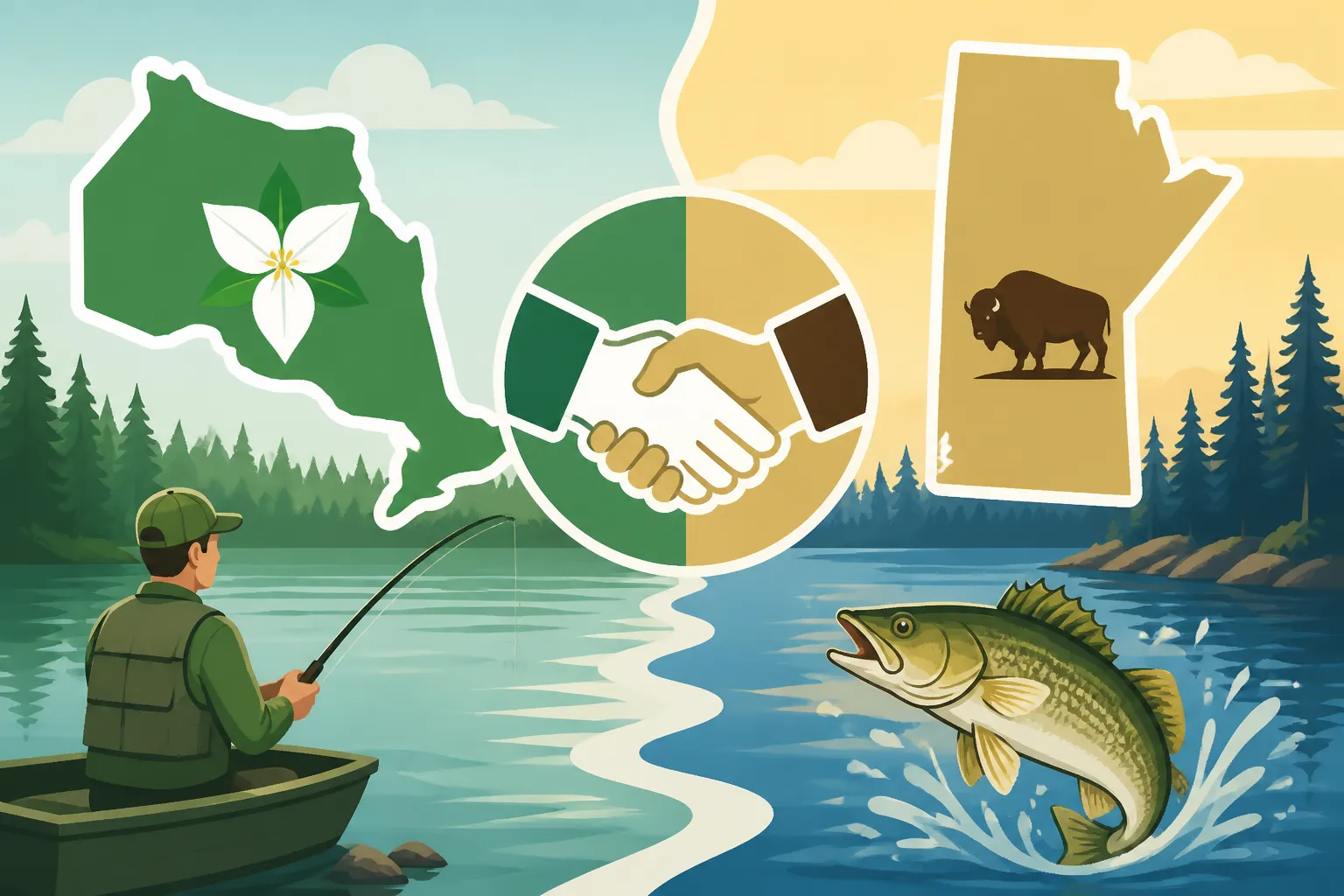
This is where the rubber meets the road. The general rule of thumb for Ontario and Manitoba boundary waters is that if you possess a valid fishing license from one province, you are generally permitted to fish in the boundary waters of the other province. However, and this is a big "however," there are critical limitations and nuances that you absolutely need to be aware of to avoid potential fines or legal issues. It's not as simple as "one license covers all."
What Your Ontario License Allows
If you're an Ontario resident or a non-resident holding a valid Ontario Fishing License Guide for 2026, you are generally permitted to fish in the Manitoba portions of designated boundary waters like Lake of the Woods and Shoal Lake. This is a huge convenience! It means you don't necessarily have to buy a separate Manitoba license just to cross an invisible provincial line while you're out on the water. You can follow that schooling walleye right across the border without fear, which is a relief when they're biting hot.
However, it’s vital to remember that while your Ontario license permits you to fish, you must adhere to the Manitoba fishing regulations for things like catch limits, size restrictions, and season dates when you are physically fishing in Manitoba waters. The license grants access, but the local rules govern your actions. So, if you're targeting Ontario walleye daily limit and suddenly find yourself in Manitoba waters, you need to know their specific limits for that species. This is a common point of confusion for many anglers who assume their home province's rules travel with their license.
When a Manitoba License is Needed
Here's the critical distinction that often trips people up. While your Ontario license offers reciprocity for fishing on the main body of the boundary water, it does not grant you free reign everywhere in Manitoba. You will need a valid Manitoba fishing license if:
- You go ashore in Manitoba: This means docking your boat, stepping onto a Manitoba island, or accessing any land-based amenities in Manitoba. Your Ontario license only covers the act of fishing from your boat or directly on the boundary waters.
- You fish in tributaries or waters exclusively within Manitoba's provincial boundaries: This includes rivers flowing into Lake of the Woods that are entirely within Manitoba, or bays that are clearly defined as being solely on the Manitoba side and not considered part of the main boundary water agreement.
- You are a non-resident of Canada (e.g., from the US) fishing from the Manitoba side: While there are some nuances for Canadian residents, non-Canadian residents often face stricter requirements and might need licenses for both provinces if they intend to fish across the border.
The same principles apply in reverse for Manitoba-licensed anglers fishing in Ontario boundary waters. They can fish in Ontario portions of Lake of the Woods with their Manitoba license but must abide by Ontario Fishing Regulations Explained and would need an Ontario license if they go ashore or fish in waters exclusively within Ontario. It's about respecting the territorial boundaries beyond the main water body itself.
Key Differences in Regulations
Beyond just the license, the actual fishing regulations can differ significantly between Ontario and Manitoba, even for the same species in the same boundary lake. This is arguably the most important detail to grasp. For example, the Ontario Walleye Opener Dates by Zone might be different from Manitoba's walleye opener dates for the exact same lake.
Consider factors like:
- Bag and Possession Limits: Ontario's limits for species like walleye, pike, or bass might not be the same as Manitoba's. You must adhere to the limits of the province you are currently fishing in.
- Size Restrictions (Slot Limits): One province might have a slot limit (e.g., all fish between 18-24 inches must be released), while the other does not, or has a different slot. For example, Ontario Smallmouth Bass Slot Limits might differ from Manitoba's.
- Season Dates: As mentioned, opening and closing dates for specific species can vary. What's legal to catch in Ontario might be out of season in Manitoba.
- Method of Fishing: Restrictions on live bait, specific lure types, or even how many lines you can use might differ.
It's absolutely critical to carry copies of both provinces' regulation summaries – whether physical copies you ordered from Amazon or digital versions on your phone. Ignorance of the law is never an excuse, and game wardens from either province patrol these waters diligently.
Common Boundary Waters Between Ontario and Manitoba
When we talk about shared fishing experiences between these two provinces, a couple of names immediately spring to mind. These vast and productive lakes are world-renowned for their fishing opportunities, and understanding their unique cross-border rules is key to a seamless trip.
Lake of the Woods
Lake of the Woods is perhaps the most famous and largest of the boundary waters shared by Ontario, Manitoba, and even Minnesota (though we're focusing on the Canadian side here). This enormous lake, dotted with thousands of islands, is a premier destination for walleye, muskie, smallmouth bass, and northern pike. Its sheer size means that anglers frequently cross the provincial line without even realizing it.
For an Ontario-licensed angler, you can fish the Manitoba portions of Lake of the Woods (and Shoal Lake) without a Manitoba license, as long as you remain on the main body of the lake. However, if you plan to launch from a Manitoba access point, camp on a Manitoba island, or explore any of the numerous rivers and bays that are clearly only within Manitoba's jurisdiction, you will need a Manitoba license. This also means paying close attention to the Lake of the Woods Fishing Guide for details on both sides of the border. Always keep both regulation summaries handy to quickly check species limits and seasons depending on your exact location. The best practice is to understand the general area you'll be in and anticipate which province's rules will apply.
Shoal Lake
Interconnected with Lake of the Woods, Shoal Lake also falls under this reciprocal agreement. It's another fantastic fishery known for its clear waters and excellent walleye and smallmouth bass opportunities. The same reciprocity rules apply here: your Ontario license covers you for fishing on the main body of Shoal Lake within Manitoba's boundaries. However, venturing ashore, fishing exclusive Manitoba tributaries, or launching from a Manitoba shore requires a Manitoba license. Just like Lake of the Woods, make sure you're aware of the distinct provincial regulations for catch limits and seasons. Even a short drift into different provincial waters can mean a change in what you can keep or how many lines you can deploy.
Other Shared Waters
While Lake of the Woods and Shoal Lake are the primary boundary waters with formal reciprocity agreements, it's worth noting that smaller, less prominent water bodies might exist along the provincial border. For these, it's always safest to assume that reciprocity does not apply unless explicitly stated in both provinces' fishing regulation summaries. When in doubt, call the respective provincial fisheries offices or err on the side of caution and purchase a license for both provinces if you intend to fish widely. It's a small investment compared to the potential headache and cost of a fine, especially if you're far from home.
Navigating Different Residency Rules
The intricacies of fishing licenses don't stop at provincial borders; they also extend to your residency status. Whether you call Ontario, Manitoba, or another part of the world home significantly impacts the type of license you need and how reciprocity applies to you. It's not just about where you're fishing, but also where you're from.
Ontario Resident Anglers
If you are an Ontario resident and hold a valid Ontario fishing license, your situation is the most straightforward for the specific boundary waters we've discussed. As long as you have your Ontario Outdoors Card, Explained and your actual fishing license (Sport or Conservation, depending on your catch intentions), you can fish the Manitoba portions of Lake of the Woods and Shoal Lake. This is a significant perk for folks living in border towns like Kenora. Remember, you still need to follow Manitoba's fishing regulations (bag limits, seasons, etc.) when your boat is in Manitoba waters. It's a "fish where you are" rule for the regulations, even if your license is from Ontario. If you're planning a trip, consider reviewing the Ontario Fishing License Age Requirements to ensure everyone in your party is properly licensed.
Manitoba Resident Anglers
The same principle applies in reverse for Manitoba residents. If you hold a valid Manitoba fishing license, you can fish the Ontario portions of Lake of the Woods and Shoal Lake. This means if you're launching from say, Buffalo Point in Manitoba, and want to venture into the Ontario side of the lake for some excellent muskie fishing, your Manitoba license generally covers you. However, just like Ontario anglers, you must abide by Ontario's fishing regulations when in Ontario waters. This means knowing Ontario's specific rules for species like Ontario Muskellunge Season Dates and Limits if that's what you're targeting. And again, if you go ashore on an Ontario island or fish a river entirely within Ontario, you'd need an Ontario license.
Non-Residents of Both Provinces
This is where it can get a bit more complex. If you're coming from another Canadian province (say, Alberta or Quebec) or, more commonly, from the United States, the reciprocity rules can vary.
- Other Canadian Residents: Generally, if you are a Canadian resident (not from Ontario or Manitoba), you will need to purchase a license from one of the two provinces to fish the boundary waters. The reciprocity usually extends to Canadian residents, meaning if you buy an Ontario Canadian resident (outside Ontario) fishing license cost and you are a resident of Canada, you'd likely be covered for the boundary waters reciprocity. However, it's always best to double-check the latest regulations or contact the fisheries departments of both provinces before your trip, as rules can occasionally be updated.
- International Non-Residents (e.g., USA): For anglers from outside Canada, such as those visiting from the United States, the situation is usually straightforward: you need a non-resident license. If you primarily plan to fish the Ontario side and only occasionally drift into Manitoba waters, an Ontario non-resident sport fishing license cost 2026 might be your primary choice. However, if your trip involves extensive fishing on both sides, or if you plan to launch from one province and spend significant time in the other, it is often recommended to purchase a non-resident license for both Ontario and Manitoba. This completely removes any ambiguity and ensures you're covered no matter where you are or if you step ashore. It's a small extra cost for complete peace of mind, especially when you consider the cost of a fishing trip itself. Many anglers find the convenience worth it.
Practical Tips for Fishing Boundary Waters
Navigating these shared waters can feel a bit like crossing an international border, but with a few smart strategies, you can ensure your trip is all about the fish and none about the fuss.
Always Carry Both Summaries
I can't stress this enough: always carry copies of the current fishing regulation summaries for both Ontario and Manitoba. This is perhaps the most crucial piece of advice for anyone venturing into Lake of the Woods or Shoal Lake. Even if you're certain you'll primarily be on one side, a quick drift or a chase after a hot bite can easily put you into the other province's waters.
You can often pick up physical copies at tackle shops or tourism centers in border towns. Alternatively, both provinces provide digital versions on their respective government websites. Having them downloaded to your phone or tablet is an excellent backup. Imagine landing a trophy walleye and then realizing you're in Manitoba waters, but you only know Ontario's Ontario Walleye Opener Dates by Zone and possession limits. Being able to quickly reference the correct rules can save you from a hefty fine or, worse, having to release a perfectly legal fish because you were unsure. Many anglers even print out key pages and laminate them, keeping them in their tackle box, which you can easily stock up on from Amazon.
Check Local Delineations
Sometimes, the provincial boundary isn't just an arbitrary line on a map; it might run through a particular bay, channel, or even a small island. While detailed GPS units can show these lines, it's a good idea to check with local bait shops, outfitters, or guides in communities like Kenora (Ontario) or Buffalo Point (Manitoba) before heading out. They often have hyper-local knowledge of specific areas where the line is notoriously tricky or where enforcement is more common.
For instance, certain areas might be known hotspots where anglers frequently cross the line. Knowing these areas in advance, and what the specific rules are for that section of the lake, will empower you to make informed decisions on the water. Tools like the Ontario Fish ON-Line Interactive Zone Map, Explained can also be incredibly helpful for visualizing zones and boundaries, though remember it focuses on Ontario's zones.
Boating and Safety Regulations
While fishing licenses have specific reciprocity agreements, it's important to remember that boating regulations and safety equipment requirements typically adhere to the rules of the province you are physically operating in, or where your boat is registered. This means:
- Pleasure Craft Operator Card (PCOC): The Ontario Pleasure Craft Operator Card Requirement is mandatory for operating motorized recreational vessels in Canada, including both Ontario and Manitoba. So, if you're coming from the US without one, you'll need to get one regardless of which province you're in.
- Life Jacket Requirements: Ontario Life Jacket Requirements for Boaters might differ slightly from Manitoba's. Always ensure you have the correct number and type of life jackets (PFDs) for everyone on board, according to the strictest regulation of either province you might enter.
- Required Safety Equipment: Flares, whistles, bailers, fire extinguishers – the list of mandatory safety equipment for boats can vary. The safest approach is to equip your boat to meet the requirements of both provinces. You can find comprehensive marine safety kits and individual items on Amazon to make sure you're always compliant.
- Boat Registration and Licensing: Your boat should be registered and licensed according to the rules of the province or state where you primarily reside. However, local regulations may still apply when operating in another jurisdiction. For example, some non-motorized boats might be exempt from certain registration, but it's always best to check.
The bottom line is that while your fishing license might enjoy a degree of reciprocity, your boat's safety gear and operational rules are usually tied to the specific jurisdiction you're currently navigating. Don't let a missing whistle or an expired flare turn a fantastic fishing day into a costly one.
Comparing Reciprocity Considerations
To help summarize some of the key points when considering fishing boundary waters, here's a table outlining the common scenarios.
| Scenario | Ontario Fishing License Holder Fishing Manitoba Boundary Waters | Manitoba Fishing License Holder Fishing Ontario Boundary Waters | Non-Resident (Other Canadian) Fishing Boundary Waters | Non-Resident (International) Fishing Boundary Waters |
|---|---|---|---|---|
| On Main Water Body (e.g., Lake of the Woods) | Generally Covered (Reciprocity Applies) | Generally Covered (Reciprocity Applies) | Generally Covered with one provincial license | Often Recommended to have both provincial licenses |
| Going Ashore in Other Province | Requires Other Province's License | Requires Other Province's License | Requires Other Province's License | Requires Other Province's License |
| Fishing Tributaries/Exclusive Waters in Other Province | Requires Other Province's License | Requires Other Province's License | Requires Other Province's License | Requires Other Province's License |
| Which Regulations Apply? | Manitoba Regulations | Ontario Regulations | Regulations of the province you are physically fishing in | Regulations of the province you are physically fishing in |
| Outdoors Card/Prerequisite | Ontario Outdoors Card Required | Manitoba Equivalent Required | Not directly applicable for reciprocity, but needed for the license you buy | Not directly applicable, but needed for the license you buy |
| Best Practice | Carry both summaries, know Manitoba regs | Carry both summaries, know Ontario regs | Carry both summaries, choose primary license, know both regs | Strongly consider buying both licenses, know both regs |
Remember, this table provides a general overview. Always consult the most current official fishing regulation summaries from both the Ontario Ministry of Natural Resources and Forestry (MNRF) and Manitoba Fisheries before your trip. You can find excellent resources, including specific season dates and limits, in the Ontario Fishing Season Dates by Zone guide.
Disclaimer
The information provided in this guide is for general informational purposes only and is not intended as legal advice. Fishing regulations and licensing requirements can change, and it is the angler's sole responsibility to consult and comply with the most current official regulations issued by the Ontario Ministry of Natural Resources and Forestry (MNRF) and Manitoba Fisheries before engaging in any fishing activities. Failure to comply with regulations may result in fines or penalties.