How to Catch Lake Trout in Ontario
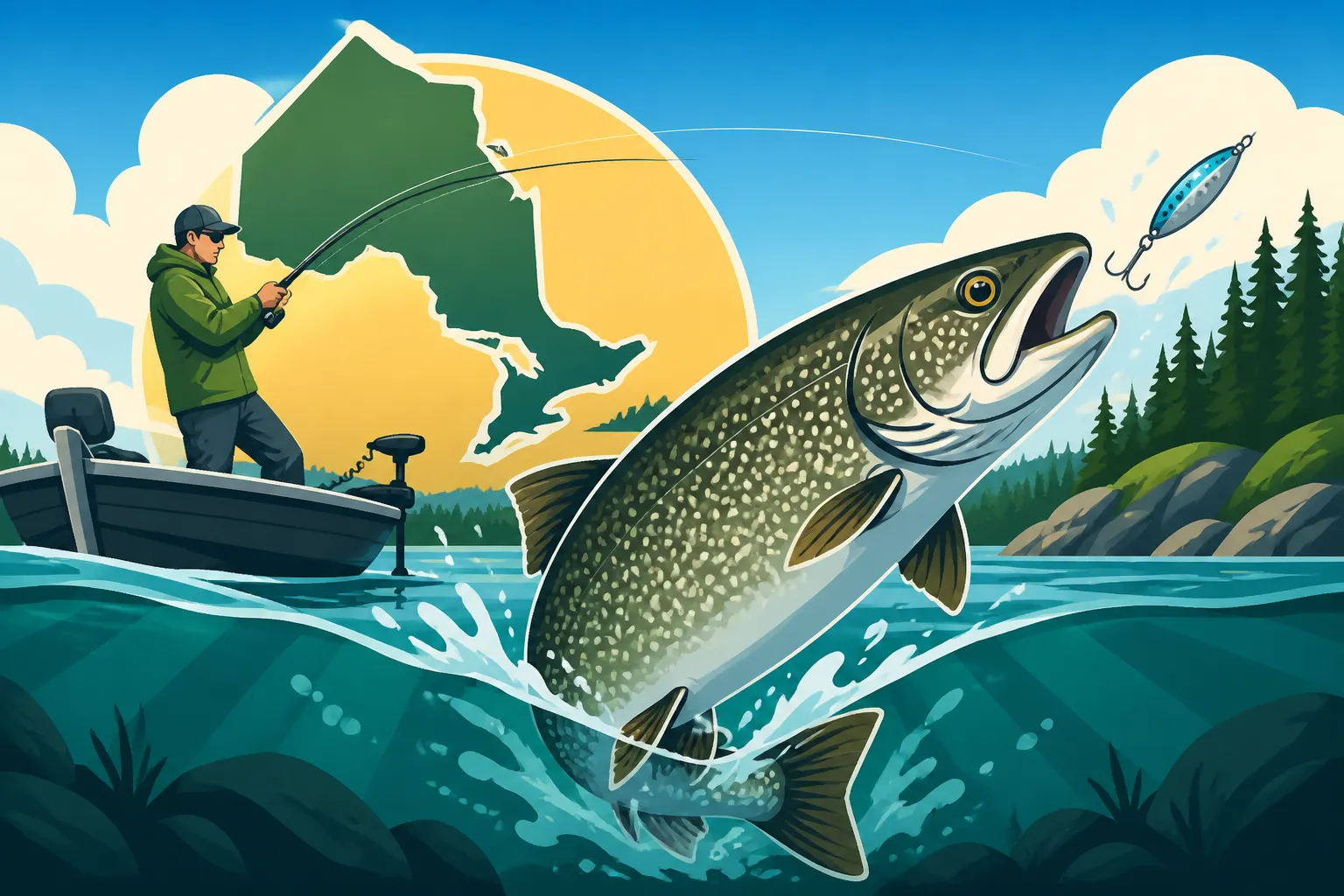
Let's be honest, few fish in Ontario captivate anglers quite like the lake trout. Their sheer power, stunning beauty, and the challenge of finding them in vast, deep waters can be both incredibly rewarding and, at times, downright frustrating. You might spend hours trolling without a bite, or jigging through the ice feeling like you're fishing in an empty abyss. But don't throw in the towel just yet! This comprehensive guide is here to unravel the mysteries of how to catch lake trout in Ontario, from understanding their habits to mastering the techniques that will put these magnificent fish in your boat or on your ice.
Understanding Ontario Lake Trout
Lake trout are truly magnificent creatures, perfectly adapted to the cold, clear, and oxygen-rich deep waters found in many of Ontario's northern lakes and even some southern jewels. They’re a type of char, closely related to brook trout and Arctic char, and they are Ontario's largest native freshwater trout species. Knowing a bit about their biology and behavior is the first step to unlocking their secrets.
Lake Trout Biology and Habitat
These fish are built for endurance and power. They typically have a sleek, torpedo-shaped body, often dark green to grey with lighter spots, and a deeply forked tail that helps them rocket through the water. Lake trout are slow-growing and long-lived, with some individuals reaching impressive ages and sizes. In fact, it's not uncommon for them to live well beyond 20 years in pristine waters, making them a true testament to their resilience and the health of their habitat. If you're curious about their longevity, we've got a whole article dedicated to the Life span of a lake trout in Ontario. They thrive in cold water, usually preferring temperatures between 8°C and 13°C (46°F-55°F). This temperature preference dictates where you'll find them throughout the year, especially in larger, deeper lakes where a distinct thermocline forms in summer.
Their natural habitat includes many of the deep, oligotrophic (nutrient-poor, oxygen-rich) lakes that dot the Canadian Shield. Think vast expanses of clear water, rocky shorelines, and plenty of deep structure. You'll find them holding around submerged humps, deep points, sudden drop-offs, and even suspended over deep basins chasing schools of baitfish. Because of their need for cold water, they are often one of the first species to be impacted by changes in water temperature or oxygen levels, making their presence a good indicator of a healthy, cold-water ecosystem.
Feeding Habits and Prey Selection
Lake trout are opportunistic predators, and their diet can vary widely depending on the lake and the season. In many lakes, their primary food source is baitfish. Cisco (lake herring), smelt, and sculpin are common prey, but they'll also feast on smaller whitefish, perch, and even other smaller trout. In shallower, rocky environments or during certain times of the year, they might also consume aquatic insects, crayfish, and even small rodents or amphibians that fall into the water.
Understanding what they're eating in a particular lake can be a game-changer for your lure selection. If a lake is rich in cisco, choosing lures that imitate a silver, cigar-shaped baitfish will likely be more effective. If smelt are abundant, a slender, erratic-action lure could be the ticket. During winter, when baitfish are less active, lake trout might key in on anything that presents an easy meal, including dead bait on the bottom or a slowly jigged tube. Their predatory nature means they're often willing to chase, but sometimes you need to present an easy, vulnerable meal to coax a bite.
Prime Lake Trout Fishing Seasons
The beauty of fishing for lake trout in Ontario is that you can pursue them year-round, but their behavior and location change dramatically with the seasons. Each time of year offers unique opportunities and challenges, meaning your tactics need to adapt. It's crucial to always check the specific Ontario Fishing Season Dates by Zone for the area you plan to fish, as regulations can vary.
Spring: Ice-Out Opportunities
Spring, right after ice-out, is arguably one of the most exciting times to target lake trout. The entire water column is a uniform, cold temperature, and the trout are often found cruising relatively shallow water, sometimes even right up against the shoreline. This is because their preferred temperature range is now available throughout the lake, and baitfish are often moving into shallower areas to feed or spawn.
You'll find them gorging themselves after a long winter, often near rocky points, shallow reefs, and sandy flats adjacent to deeper water. Trolling spoons, minnow-imitating crankbaits, or even casting jigs can be incredibly effective during this period. The fish are often aggressive and willing to chase. The window for this shallow-water bite usually lasts a few weeks after the ice is gone, before the sun warms the surface waters enough to push the trout deeper. Don't be surprised to catch a laker in 10-20 feet of water, a stark contrast to their summer haunts.
Summer: Deep Water Challenges
As summer progresses and the surface waters warm, lake trout retreat to the colder, oxygen-rich depths below the thermocline. This is where the fishing can become more challenging, requiring specialized techniques and gear. They'll stack up on deep structure—submerged islands, humps, sharp drop-offs, or suspend in the open water over vast basins, often following schools of baitfish.
Trolling with downriggers or heavy weights is the most common and effective method during summer to present lures at specific depths. Spoons, large tubes, and stickbaits are popular choices. Alternatively, vertical jigging directly over known deep-water structure can also produce. Locating these deep-water fish often requires good electronics, as they can be spread out or tightly grouped. This is when understanding How Deep to Troll for Lake Trout in Summer becomes absolutely critical for success. The frustration of marking fish but not getting bites often comes down to not getting your lure into their strike zone precisely.
Fall: Pre-Spawn Aggression
Fall brings another fantastic opportunity for lake trout anglers. As water temperatures begin to cool and approach their preferred range, lake trout become more active and move shallower, similar to the spring bite, but for a different reason: the spawn. Lake trout typically spawn in late fall, usually over rocky shoals or reefs in shallower water, often at night.
Leading up to the spawn, they feed heavily, building up energy reserves. You'll find them cruising shallower humps, points, and even near shoreline structure, making them accessible to a wider range of techniques, including casting and trolling. Large spoons, crankbaits, and even large bucktail jigs can be deadly during this pre-spawn period. The fish can be incredibly aggressive, and catching multiple lakers in a single outing is not uncommon. This period is often short-lived, so paying attention to water temperatures and fish movements is key.
Winter: Ice Fishing Excitement
When the lakes freeze over, the chase for lake trout doesn't stop; it simply moves onto the ice. Ice fishing for lake trout is a beloved winter pastime in Ontario, offering a unique blend of solitude and intense action. Like in spring, the uniform cold water under the ice means lake trout can be found at a variety of depths, though they often relate to deeper structure.
Jigging is the primary method, using heavy spoons, tube jigs, or soft plastics with a minnow head. Active jigging, often combined with a fish finder to locate both fish and bait, is incredibly effective. Setting up tip-ups with live or dead bait can also be a successful passive approach, especially for larger, more cautious fish. Popular lakes like Lake Simcoe become ice fishing meccas for lakers. Getting your gear sorted for the cold is essential; thinking about where to find things like a reliable portable heater or a sturdy ice auger on platforms like Amazon can save you a lot of hassle. For more specific tactics, you might want to delve into Best Techniques for Ice Fishing Lake Trout.
Essential Gear for Lake Trout Anglers
Tackling Ontario's lake trout requires robust and reliable gear. These fish fight hard, often making powerful runs and deep dives, so having equipment that can handle the stress is crucial. Skimping on tackle can lead to heartbreak.
Rods and Reels
For trolling, especially with downriggers or heavy weights, you’ll want a rod with a moderate to heavy action, typically between 7 and 9 feet in length. These rods need enough backbone to handle the drag of heavy lures and the power of a large laker, but also enough flex to absorb shocks and prevent hooks from pulling out. A baitcasting reel with a reliable drag system and a line counter is a popular choice for trolling, as it allows for precise depth control. Brands like Daiwa and Penn offer excellent options for this application.
When it comes to jigging, whether from a boat or through the ice, a medium-heavy to heavy action spinning or baitcasting rod, usually 6 to 7.5 feet long, is ideal. For ice fishing, specialized ice rods with a good backbone and sensitive tip are preferred. The sensitivity helps detect subtle bites, while the power helps you hoist a heavy fish out of a deep hole. Pair these rods with a sturdy spinning reel in the 3000-4000 series or a quality baitcasting reel, again, with a smooth, powerful drag. Having a good understanding of Best Fishing Rods for Ontario Lakes can help you narrow down your choices.
Line and Leader Setups
For your main line, braided line is a popular choice for lake trout fishing due to its incredible strength-to-diameter ratio and lack of stretch. This zero-stretch quality provides excellent sensitivity for detecting bites, especially when jigging in deep water, and powerful hooksets. A 20-50 lb test braid is common, depending on the fishing technique and target size.
However, since lake trout often inhabit clear waters and can be line-shy, a fluorocarbon leader is almost always a necessity. Fluorocarbon is nearly invisible underwater and offers good abrasion resistance against sharp rocks or the fish's teeth. A 10-25 lb test fluorocarbon leader, typically 6-10 feet long, is usually tied to the braid with a strong knot like a FG knot or an Albright knot. For specific guidance on line, consider our detailed breakdown on Best Fluorocarbon Line for Clear Lake Water.
Lures and Baits
Lake trout are suckers for a variety of presentations, but certain lure types consistently produce.
- Spoons: Classic metal spoons like Williams Wabler, Little Cleo, and Daredevil are staples. Their erratic wobbling action mimics injured baitfish, making them irresistible. Sizes and colors vary, but silver, gold, and vibrant patterns are always good starting points.
- Tube Jigs: Soft plastic tube jigs, especially white, clear, or natural baitfish colors, are incredibly effective, particularly when jigging. Rigged on a heavy lead head, they can be worked vertically over structure to imitate a dying baitfish or sculpin.
- Stickbaits/Minnow Baits: Long, slender crankbaits like Rapala J-13 or J-14, or Bagley BangO Lure, are excellent for trolling, especially during the spring and fall when trout are shallower. Their tight wiggle and dive depth can be adjusted with different lip designs.
- Swimbaits & Soft Plastics: Large paddle-tail swimbaits or other soft plastics rigged on heavy jig heads can be effective for both casting and jigging, offering a realistic profile.
- Live/Dead Bait: For tip-ups or still fishing, large shiners or smelts, either live (where legal) or dead, are often irresistible to larger, more cautious lakers, especially during ice fishing.
Having a diverse tackle box filled with these options will ensure you're ready for whatever the lake trout are keying in on. If you're looking to stock up, sites like Amazon offer a huge selection of these trusted brands and lure types.
Effective Lake Trout Fishing Techniques
Now that you've got the gear, let's talk about how to put it to good use. Lake trout fishing typically revolves around a few core techniques, each with its own nuances and optimal conditions.
Trolling for Lake Trout
Trolling is perhaps the most iconic and often the most effective method for covering vast amounts of water and locating lake trout, especially during the open water seasons. It allows you to present your lure at a consistent depth and speed, mimicking a cruising baitfish.
- Flatlining: In spring and fall, when trout are shallower, you can often "flatline" – simply let out a long length of line with your chosen lure and let the boat's movement do the work. The depth achieved depends on your line type, lure design, and trolling speed.
- Downriggers: For deeper summer trolling, downriggers are indispensable. These devices use a heavy cannonball weight to carry your line and lure down to a precise depth, releasing the line when a fish strikes. This allows you to fish effectively well below 50 feet, reaching fish that are otherwise inaccessible.
- Dipsy Divers & Planer Boards: Dipsy Divers are disc-shaped devices that dive and pull your lure out to the side of the boat, achieving depth without downriggers and spreading out your lines. Planer boards, on the other hand, pull your line out to the side on the surface, allowing you to cover wider swaths of water, which can be useful when lake trout are scattered.
- Lead Core Line: This specialized line changes color every 10 yards, with each color segment sinking to a predictable depth at a given trolling speed. It’s a great way to get lures deep without heavy weights or downriggers, though it does require a larger reel.
Regardless of the method, consistent speed (often 2-3 mph, but vary it!) and subtle S-turns can trigger strikes. Experiment with different lures and depths until you find what the fish are responding to. We have an entire article dedicated to Trolling Techniques for Ontario Lake Trout if you want to dive deeper into this method.
Vertical Jigging and Drop-Shotting
When lake trout are concentrated over specific structure, or you've marked them on your fish finder, vertical jigging is an incredibly effective and often exhilarating method. This involves dropping a lure directly down to the fish and working it with various lifts, drops, and pauses.
- Heavy Spoons & Tubes: Metal spoons like the Williams Ice Jig, Crippled Herring, or large tube jigs are perfect for vertical jigging. The key is to impart erratic action—a sharp lift, followed by a controlled fall, mimicking a wounded baitfish. Pay close attention on the fall, as many strikes occur then.
- Soft Plastics: Large swimbait tails or curly tail grubs rigged on heavy jig heads can also be jigged effectively, offering a softer, more natural presentation.
- Drop-Shotting: While more common for bass, drop-shotting can also be effective for lethargic lake trout. This involves a weight at the bottom of the line, and a hook tied above it, allowing your bait (often a soft plastic minnow or worm imitation) to suspend enticingly just off the bottom, or at the level of marked fish. This keeps the bait in the strike zone longer with minimal effort.
Always pay attention to your electronics while jigging. Watching your lure on the screen and seeing fish react (or not react) can give you immediate feedback on what's working.
Still Fishing and Live Bait
While not as active as trolling or jigging, still fishing with live or dead bait can be incredibly effective, especially for larger, wary lake trout. This method is particularly popular during ice fishing season with tip-ups, but can also be used from a boat.
- Bottom Rigging: A simple bottom rig involves a heavy weight to get your bait down, a leader, and a large circle or J-hook. Live shiners, smelts, or even cut bait can be presented just off the bottom or suspended at a specific depth. The key is to be patient and let the bait do the work.
- Tip-Ups: During ice fishing, tip-ups allow you to cover a wider area, setting multiple lines with live or dead bait while you actively jig nearby. When a fish takes the bait, a flag "tips up," signaling a bite. This strategy often accounts for some of the largest lake trout caught through the ice.
When using live bait, ensure it's fresh and lively (where legal). The natural scent and movement can draw in lake trout from a distance, especially in deeper, darker waters where visibility is limited.
Locating Lake Trout in Ontario Waters
Finding lake trout can be the biggest challenge, especially in vast Ontario lakes. They are highly mobile and their location changes with temperature, oxygen levels, and baitfish movements. Understanding how to "read" the water and use your tools effectively is paramount.
Reading Lake Structure
Lake trout are almost always associated with structure, even if they're suspended over deep water. They use these features for ambush points, shelter, or simply as reference points while cruising.
- Points and Shoals: Submerged points that extend far into the lake, or rocky shoals (underwater hills) that rise sharply from the deep, are prime ambush spots. Trout will often patrol the edges of these structures.
- Humps and Drop-Offs: Underwater humps, especially those with varying depths and sharp drop-offs, are magnets for baitfish and, consequently, lake trout. Learning to identify these on navigation charts is crucial.
- Deep Basins and Thermoclines: In summer, the lake trout's world shrinks to the cold water below the thermocline. They'll often suspend in the open water of deep basins, following schools of baitfish, or relating to structure found within this cold-water layer.
- Inflows and Outflows: River mouths and areas with current can concentrate baitfish and oxygen, making them productive spots, especially in spring and fall.
Always look for transitions – where soft bottom meets hard bottom, where depth changes abruptly, or where different types of structure converge. These transition zones are often high-traffic areas for both prey and predator.
Utilizing Fish Finders and Mapping
Modern electronics have revolutionized lake trout fishing. A good fish finder is no longer a luxury, but a necessity, especially for deep-water and ice fishing.
- Sonar (2D and Side-Imaging): Your 2D sonar will show you depth, structure, and fish arches directly beneath your boat. Learning to interpret these arches is key. Side-imaging, available on many high-end units (like those from Humminbird or Lowrance, often found on Amazon), allows you to scan wide swaths of the bottom on either side of your boat, revealing structure and fish that you might otherwise miss.
- Down Imaging: This technology provides a picture-like view of what's directly below your boat, making it easier to identify bottom composition and submerged timber or rock piles.
- GPS and Mapping: Detailed lake maps (Navionics, Lakemaster, etc.) are invaluable. They show contours, depths, and identified structures, allowing you to plan your attack and return to productive spots. Mark waypoints when you find fish or promising structure. The Ontario Fish ON-Line Interactive Zone Map, Explained can also be a fantastic resource for general lake information.
When using your fish finder, don't just look for fish. Look for baitfish schools, changes in bottom composition, and distinct structure. Often, if you find the bait, the lake trout won't be far behind. Investing in Best Fish Finders for Ontario Lakes can significantly increase your success rate.
Lake Trout Conservation and Regulations
As long-lived, slow-growing fish, lake trout are particularly susceptible to overfishing. Practicing responsible angling and understanding the regulations are vital for ensuring healthy lake trout populations for future generations.
Understanding Bag and Possession Limits
Ontario has specific regulations for lake trout, which can vary by Fisheries Management Zone (FMZ) and even by specific lake. These regulations dictate daily bag limits (how many you can keep in one day) and possession limits (how many you can have in your possession at any given time). There might also be size restrictions, such as slot limits (keeping fish within a specific length range) or minimum/maximum size limits.
For instance, a zone might allow a specific number of lake trout, but only one over a certain size. It's crucial to consult the annual Ontario Fishing Regulations Summary for the specific zone and water body you plan to fish. You can find detailed information on Ontario Lake Trout Limit and Possession Rules and get a broader understanding of Reading the Ontario Fishing Regulations Summary to ensure you're always compliant. These rules are in place to protect larger, spawning-aged fish, which are essential for the health of the fishery.
Catch and Release Best Practices
Even if you're within your legal limits, practicing catch and release for lake trout, especially larger specimens, is highly encouraged. These big fish are valuable spawners and losing them from the population can have a significant impact.
- Minimize Fight Time: Use appropriate tackle that can bring the fish in quickly. A prolonged fight exhausts the fish and increases its stress, reducing its chances of survival.
- Handle With Care: Avoid touching the fish's gills or eyes. If possible, keep the fish in the water while unhooking it. If you must bring it aboard, use a large, knotless rubberized net to protect its slime coat.
- Quick Release: Have your camera ready (if you plan to take a photo) and your pliers/dehooker easily accessible. Unhook the fish gently but quickly. If the hook is deep, cut the line as close to the hook as possible rather than tearing tissue.
- Revive If Necessary: For an exhausted fish, hold it gently in the water, facing into the current (or move it back and forth to push water over its gills) until it can swim away strongly on its own.
Responsible catch and release ensures that those magnificent lake trout can continue to grow and reproduce, providing thrilling fishing opportunities for everyone for years to come. Remember, a trophy photo is great, but a healthy fishery is even better.
Common Challenges and Troubleshooting
Lake trout fishing isn't always easy. There will be days when they seem to vanish, or simply refuse to bite. Understanding common challenges and having a few troubleshooting strategies can turn a frustrating day into a successful one.
Dealing with Finicky Bites
Sometimes, lake trout will appear on your fish finder, or you'll know they're in the area, but they simply won't commit to a lure. This often happens when they're lethargic, pressured, or not actively feeding aggressively.
- Slow Down Your Presentation: If aggressive retrieves aren't working, try slowing everything down. When jigging, use subtle lifts and longer pauses. For trolling, reduce your speed to crawl your lures.
- Downsize Your Lure: Larger lures might be intimidating. Try switching to smaller spoons, lighter tube jigs, or more finesse-oriented soft plastics. Sometimes a tiny bait can trigger a bite when nothing else will.
- Change Colors: While natural baitfish colors are often a good starting point, sometimes a completely different color, like a hot pink or chartreuse, can trigger a reaction strike, especially in low light or stained water.
- Add Scent: Applying a scent attractant to your lures can often make a difference, masking human odors and providing an additional attractant, especially for finicky fish.
Don't be afraid to experiment. If one approach isn't working, change something—speed, depth, lure, color, or even location slightly.
Adapting to Weather and Water Conditions
Weather patterns and water conditions have a huge impact on fish behavior. A sudden cold front, heavy rain, or even sustained high winds can shut down a bite.
- Cold Fronts: Lake trout often become less active and move deeper after a cold front passes. Finesse techniques, slower presentations, and targeting deep structure become more important.
- High Winds: Strong winds make boat control difficult, especially when trying to maintain a precise trolling pass or jig vertically. If it's too rough, consider finding sheltered bays or points, or focus on techniques that are less impacted by drift.
- Heavy Rain/Runoff: While rain can sometimes stimulate a bite, heavy runoff can muddy waters, affecting visibility and potentially pushing fish deeper or into clearer pockets. In these conditions, lures with vibration or strong scent can be more effective.
- Sun vs. Cloud Cover: Overcast days often allow lake trout to move shallower and be more active throughout the day, as bright sun can push them deeper. Adjust your depths and techniques accordingly.
Always check the forecast and observe the conditions on the water. A good angler is a flexible angler, ready to adapt their strategy to whatever Mother Nature throws their way.
Top Ontario Lake Trout Destinations
Ontario is blessed with countless lakes holding healthy lake trout populations. While it’s impossible to list them all, here are a few iconic and highly productive destinations that consistently produce excellent lake trout fishing. If you're looking for broader options, our guide to the Best Fishing Lakes in Ontario might give you some ideas.
Northern Ontario Giants
Northern Ontario is truly lake trout country, home to some of the largest and most pristine lakes in the province.
- Lake Superior: The largest freshwater lake in the world, Lake Superior boasts an incredible lake trout fishery. From its countless bays and islands near Thunder Bay and Sault Ste. Marie to its vast open waters, it offers opportunities for massive lakers. It's a challenging but incredibly rewarding fishery, demanding robust gear and deep-water tactics.
- Lake Nipigon: Known for its legendary brook trout, Lake Nipigon also holds a fantastic population of lake trout. Its immense size, numerous islands, and deep, cold waters provide ideal habitat. Fishing here often involves long runs and exploring remote areas, but the rewards can be truly spectacular.
- Lake of the Woods: While famous for walleye and muskie, Lake of the Woods, particularly its deeper, northern sections, supports a strong lake trout population. Anglers often target them in the deeper basins and around prominent underwater structure.
- Eagle Lake & Rainy Lake: These large, scenic lakes in Northwestern Ontario are renowned for their quality fishing for various species, including substantial lake trout. Many fly-in or drive-to lodges cater to anglers seeking these powerful fish.
These northern gems offer not just great fishing, but also an incredible wilderness experience, making them a bucket-list destination for many laker enthusiasts.
Central and Southern Ontario Gems
While less common than in the north, some central and southern Ontario lakes offer fantastic lake trout fishing, often more accessible for many anglers.
- Lake Simcoe: Despite being relatively close to Toronto, Lake Simcoe boasts a surprisingly robust and well-managed lake trout fishery. It's particularly popular for ice fishing, where anglers target lakers around its many deep shoals and drop-offs. The lake is heavily monitored and regulations are specific, but it offers some of the best accessible lake trout fishing in the province. For more details, check out our dedicated Lake Simcoe Fishing Guide.
- Georgian Bay (Lake Huron): The massive, sprawling waters of Georgian Bay, particularly its deeper sections and the many islands and channels around places like Parry Sound and Killarney, hold impressive numbers of lake trout. Trolling is often the preferred method here, covering vast areas of complex structure.
- Lake Huron: Similar to Georgian Bay, the open waters and deep areas of Lake Huron itself, particularly the northern and eastern shores, are home to significant lake trout populations. These fish often mix with other Great Lakes salmonids, providing a diverse fishing experience.
- Algonquin Park Lakes: Many of the larger, deeper lakes within Algonquin Provincial Park, like Lake Opeongo, Lake Lavieille, and Cedar Lake, contain native lake trout populations. These often require canoe trips and offer a more wilderness-focused angling adventure, often with strict catch-and-release rules.
These lakes, while perhaps not as remote as their northern counterparts, provide excellent opportunities for anglers to chase Ontario's magnificent lake trout without necessarily venturing into the deep wilderness.
Lake Trout Fishing Hotspots by Season: A Quick Reference
To help you visualize where lake trout might be throughout the year, here's a quick overview of typical depth ranges and locations. Remember, these are general guidelines, and local conditions can always vary.
| Season | Typical Depth Range | Preferred Locations | Key Techniques | Best Lure Types |
|---|---|---|---|---|
| Spring (Ice-Out) | 10-40 feet | Shallow reefs, rocky points, tributary mouths, main lake basins | Trolling, Casting, Jigging | Spoons, Minnow baits, Tube jigs |
| Summer | 40-100+ feet (below thermocline) | Deep humps, drop-offs, suspended over basins, structural edges | Trolling (Downriggers, Lead Core), Vertical Jigging | Spoons, Large tubes, Stickbaits, Swimbaits |
| Fall (Pre-Spawn) | 20-60 feet | Rocky shoals, main lake points, transitions to deep water | Trolling, Casting, Jigging | Spoons, Crankbaits, Large bucktails, Swimbaits |
| Winter (Ice Fishing) | 20-80+ feet (related to structure) | Deep humps, offshore shoals, main lake basins, sharp drop-offs | Vertical Jigging, Still Fishing (Tip-ups) | Heavy spoons, Tube jigs, Live/Dead bait |
This table should give you a quick cheat sheet for planning your next lake trout adventure, no matter the time of year. Just remember to always verify specific regulations for your chosen lake and zone before heading out!
Catching lake trout in Ontario is a truly special experience, a blend of challenge, exploration, and the raw power of a magnificent fish. By understanding their habits, adapting your techniques to the season, using the right gear, and always practicing responsible angling, you'll be well on your way to experiencing the thrill of a lifetime. Get out there, explore those deep, clear waters, and enjoy the chase!
Disclaimer
Fishing regulations, season dates, and limits can change frequently. Always consult the most current Ontario Fishing Regulations Summary for the specific Fisheries Management Zone and water body you intend to fish before heading out. This guide is for informational purposes only and does not supersede official government regulations.