Kayak Fishing Techniques for Ontario Lakes
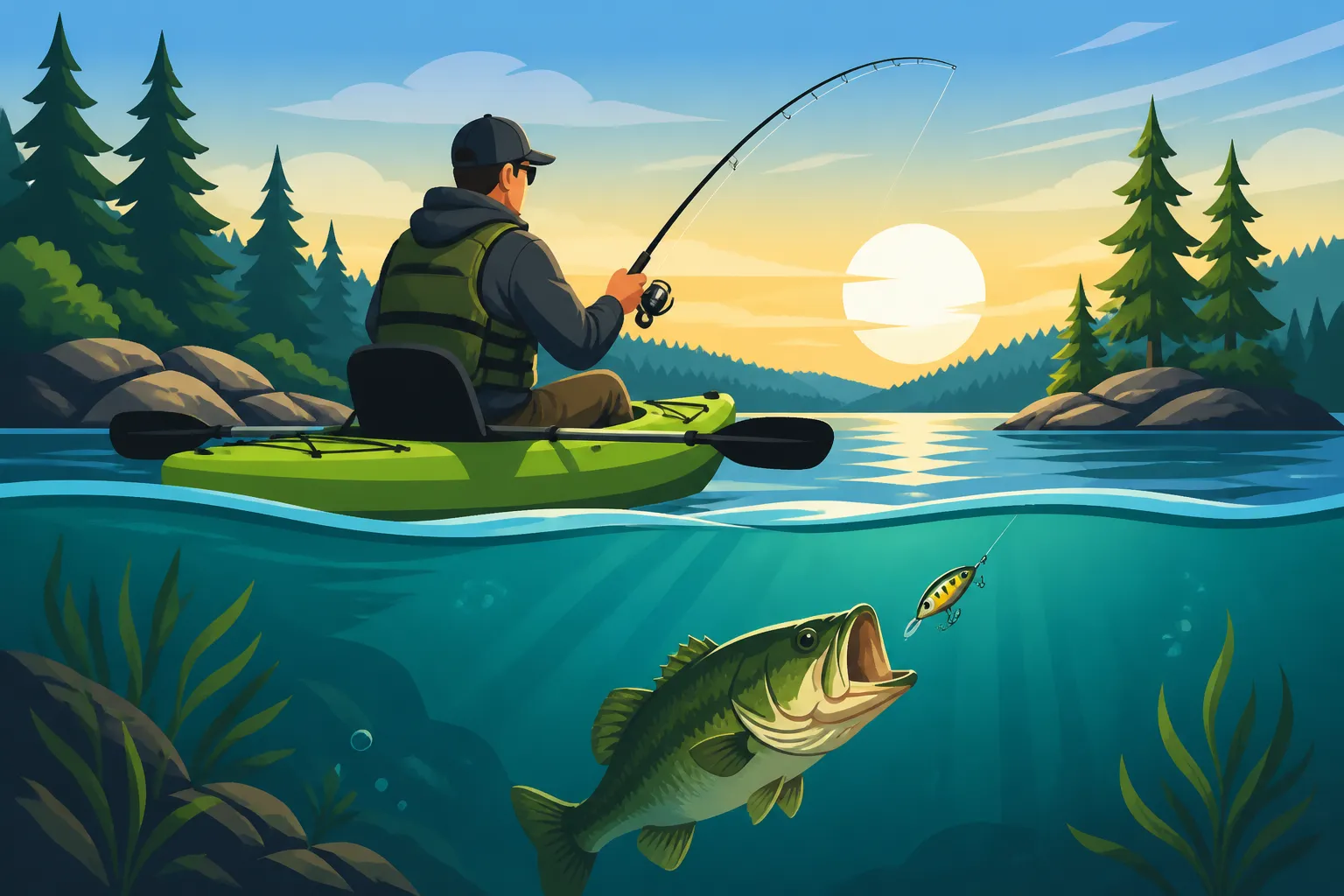
Ontario's vast network of lakes offers some truly incredible fishing opportunities, but sometimes, getting to those prime, untouched spots can feel like a real challenge when you're restricted to launch ramps or larger boats. That's where kayak fishing shines, offering unparalleled access and a completely different angling experience. This guide will walk you through everything you need to know to master kayak fishing techniques on Ontario's diverse lakes, helping you unlock those hidden gems and land more fish.
Why Kayak Fishing in Ontario Lakes is a Game-Changer
Kayak fishing has exploded in popularity across Ontario, and for good reason. It’s not just a minimalist approach to fishing; it’s a strategic advantage, allowing anglers to reach waters that are often inaccessible to larger, heavier vessels. The sheer freedom and stealth a kayak provides can transform your fishing outings, opening up a whole new world of possibilities on familiar and new lakes alike.
Accessing Untouched Waters
One of the biggest frustrations for many anglers is seeing promising-looking areas on a map or from the shore, only to realize they’re too shallow, too weedy, or too tight for a traditional boat to navigate. Kayaks utterly eliminate this problem. Their shallow draft allows you to glide effortlessly over sand flats, sneak through narrow channels, and penetrate deep into dense weed beds where trophy fish often hide, undisturbed by typical boat traffic. Think of those calm, lily pad-filled bays or the rocky shorelines with submerged timber that are just out of reach for most anglers – those become your new playgrounds.
The stealth factor is another huge benefit. A kayak moves quietly through the water, with minimal disturbance, unlike a roaring outboard motor. This silent approach means you can get much closer to spooky fish, particularly in clear, calm waters, without alerting them to your presence. You can drift over prime structure or paddle along a shoreline, casting precisely to targets that might otherwise be scared away by a larger boat's shadow or engine noise. This quiet advantage is often the difference between a frustrating day and a memorable catch.
The Health and Mental Benefits
Beyond the tactical advantages, kayak fishing offers significant personal rewards. It's an incredible way to combine a passion for angling with an active, outdoor lifestyle. Paddling, pedaling, and maneuvering your kayak provides a fantastic physical workout, engaging your core and upper body, all while you're actively pursuing fish. It's a much more immersive experience than sitting in a motorboat, connecting you directly with the water and the environment around you.
There's also an undeniable mental benefit. The tranquility of being out on the water, propelled by your own effort, far from the hustle and bustle, is incredibly therapeutic. The gentle rhythm of paddling, the quiet splash of your lure, and the anticipation of a bite create a peaceful, meditative state. It’s a chance to unplug, de-stress, and reconnect with nature, making each fishing trip not just about the catch, but about the overall experience of serenity and adventure that only a kayak can truly offer.
Essential Kayak Fishing Gear for Ontario's Diverse Waters
Embarking on a kayak fishing adventure in Ontario requires a thoughtful approach to gear. While the essence is minimalist, having the right equipment ensures safety, comfort, and, most importantly, success on the water. From the kayak itself to the specialized tackle, each piece plays a crucial role in maximizing your time on Ontario's diverse lakes.
Choosing the Right Fishing Kayak
The foundation of your kayak fishing setup is, naturally, the kayak itself. When looking at options, you'll primarily encounter sit-on-top and sit-inside models. Sit-on-tops are overwhelmingly popular for fishing due to their stability, ease of entry and exit (especially if you capsize), and ample deck space for gear. They typically have scupper holes that allow water to drain, keeping the deck dry. Sit-inside kayaks offer more protection from the elements and often a faster, more efficient paddle, but can be trickier for re-entry if you go for an unexpected swim.
Consider the stability (often dictated by width) of the kayak, especially if you plan to stand and cast. Length affects speed and tracking; longer kayaks generally paddle faster and track straighter, which is great for covering larger distances on big lakes like Lake Simcoe or Lake Erie, but a shorter kayak offers superior maneuverability in tight quarters like small creeks or marshy areas. Many modern fishing kayaks also come with pedal drives (like those from Hobie or Old Town), which allow for hands-free propulsion, a massive advantage for casting and fighting fish simultaneously. Look for integrated rod holders, storage compartments, and ample rigging options to attach your accessories.
Must-Have Safety Equipment
Safety should always be your top priority, especially when you're in a smaller vessel on potentially large and unpredictable waters. A properly fitted Personal Flotation Device (PFD) is not just recommended; it's legally required in Ontario. Make sure it's comfortable enough to wear all day, as wearing it consistently is key to its effectiveness. Beyond the PFD, a few other items are critical. You'll need a sound-signaling device, like a whistle or horn, to alert other boaters or signal for help.
A bailing device, such as a sponge or small hand pump, is essential for removing any water that might accumulate in your kayak. A throw line, a floating rope stored in a bag, can be vital for assisting another boater or for self-rescue. For low-light conditions or if you anticipate being on the water before dawn or after dusk, navigation lights are a must to ensure you're visible to others. Don't forget a basic first-aid kit, easily accessible and stored in a waterproof bag. Understanding the Life Jacket Requirements for Ontario Boaters is crucial for all anglers.
Specialized Rods, Reels, and Tackle
While you can certainly fish from a kayak with your standard gear, some specialized choices can make the experience far more effective and enjoyable. Shorter rods, typically between 6 to 7 feet, are often preferred because they are easier to handle in the confined space of a kayak, especially when casting or battling a fish. You'll want rods with a good backbone but enough sensitivity to detect subtle bites. For species like walleye or smallmouth, medium-light to medium power spinning or baitcasting rods work well.
Storage is key in a kayak. Waterproof dry bags are your best friend for protecting electronics, spare clothes, and snacks. For your tackle, small, compact tackle boxes or soft-sided tackle bags that fit snugly in your kayak's storage areas are ideal. Consider specific tackle tailored to the species you're targeting; for example, if you're chasing walleye, a selection of jigs, crankbaits, and worm harnesses is essential. You can find a vast array of fishing rods and reels, as well as waterproof tackle bags, on platforms like Amazon, offering convenient delivery right to your door before your next trip. To learn more about selecting the right gear, check out our guide on Best Fishing Rods for Ontario Lakes or dive deeper into Best Tackle for Ontario Walleye for species-specific advice.
Kayak Fishing Techniques for Ontario's Popular Species
Ontario's lakes are teeming with a variety of game fish, and kayak fishing offers unique advantages for targeting many of them. The stealth, maneuverability, and access a kayak provides can be perfectly leveraged to outsmart even the most elusive species. Let's explore some effective techniques for popular fish you'll encounter.
Targeting Walleye from a Kayak
Walleye are a prized catch in many Ontario lakes, known for their delicious fillets and challenging bites. From a kayak, you have a distinct advantage in reaching their preferred habitats. Focus your efforts on shallower, weedy bays, rocky points, and submerged humps, especially during low light conditions like dawn, dusk, or overcast days. Walleye often congregate along these structural features, ambushing baitfish.
One highly effective technique from a kayak is jigging. Using a medium-light spinning rod and jigs tipped with a minnow or soft plastic, you can vertically jig over structure or slowly drift along contours, letting your lure bounce near the bottom. Another productive method is slow trolling with crankbaits. Because you’re paddling or pedaling, you can maintain incredibly slow, precise speeds, which walleye often prefer. Use smaller, shallower-running crankbaits in weedier areas and deeper divers over open water structure. This stealthy approach allows you to present your lure naturally without the disturbance of a large boat motor. For more detailed strategies, consult our comprehensive guide on How to Catch Walleye in Ontario.
Smallmouth and Largemouth Bass Strategies
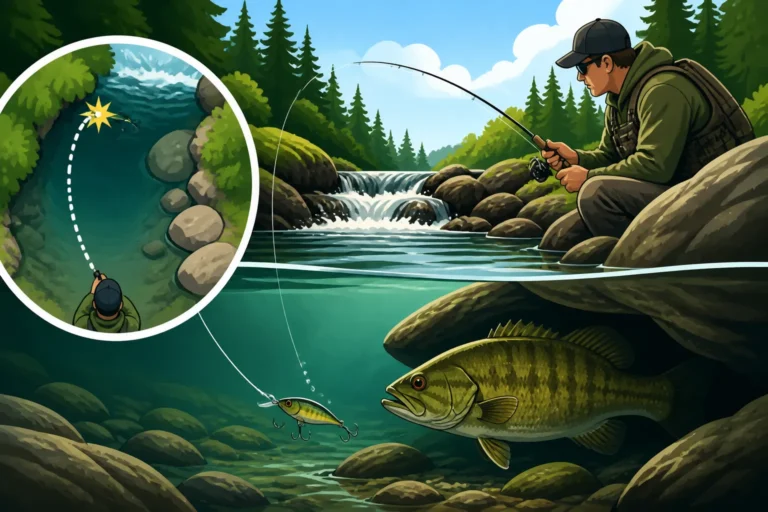
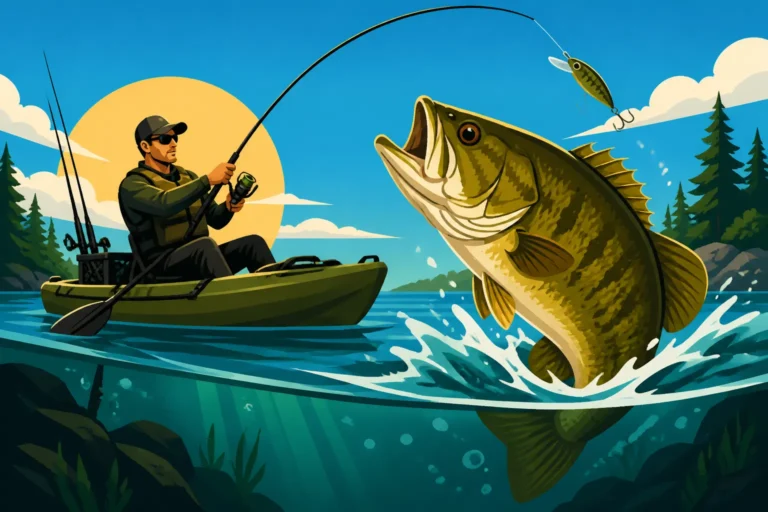
Ontario's bass fishing scene is vibrant, and kayaks are perfectly suited for chasing both smallmouth and largemouth. For smallmouth bass, concentrate on rocky shorelines, deep points, shoals, and areas with current, especially on larger bodies of water like Georgian Bay or Lake Erie. Smallmouth love to ambush prey from structure. Casting topwater lures at dawn or dusk can be explosive, as can working spinnerbaits and soft plastics (like tubes or Senkos) around rocky transitions and drop-offs.
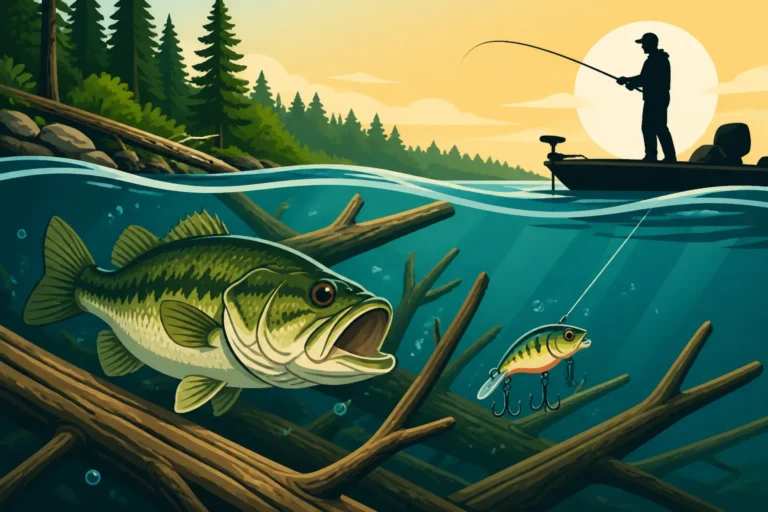
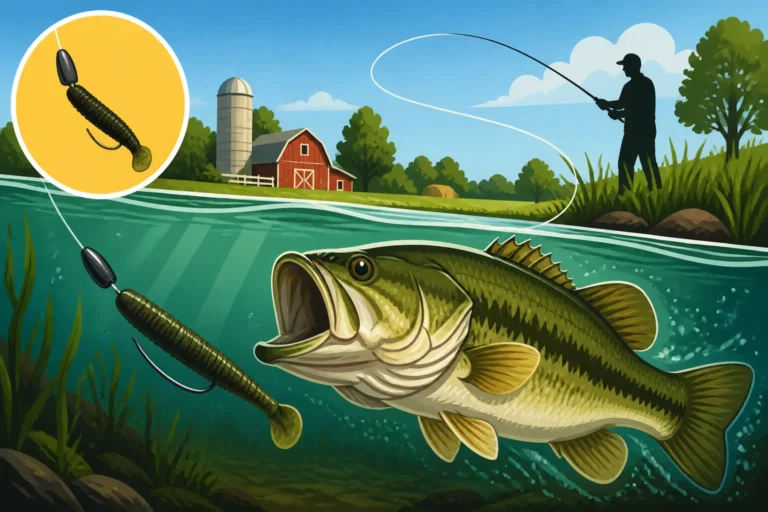
Largemouth bass, on the other hand, prefer shallower, weedier environments, often found in bays, lily pad fields, and around submerged timber. Kayaks excel here, allowing you to quietly sneak into these dense cover areas. Techniques like "flipping and pitching" jigs or Texas-rigged soft plastics into tight pockets in the weeds or up against submerged logs are highly effective. You can get into spots that bass think are safe, presenting your lure with pinpoint accuracy. For more specific tactics tailored to these aggressive fighters, check out How to Catch Smallmouth Bass in Ontario and explore specific strategies in Best Bass Fishing Techniques for Georgian Bay.
Pursuing Pike and Muskie on a Kayak
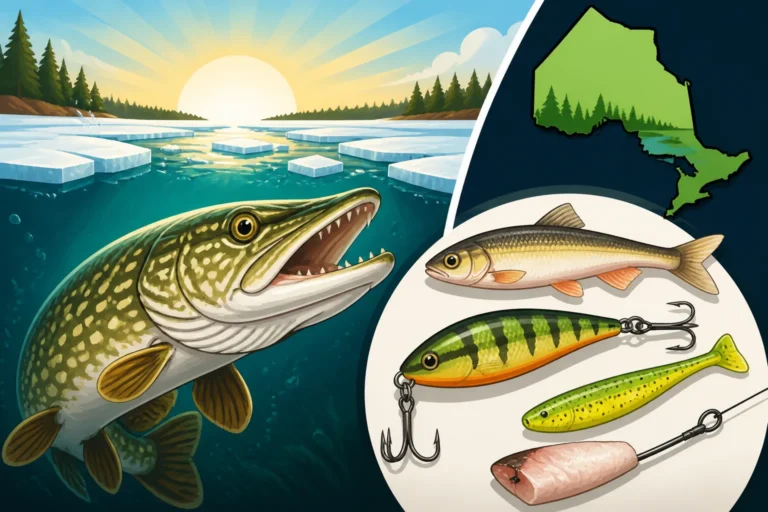
While daunting for some, targeting toothy northern pike and the elusive muskellunge from a kayak can be incredibly rewarding. You'll need to step up your gear considerably – think medium-heavy to heavy power rods, baitcasting reels spooled with strong braided line, and robust wire leaders to prevent bite-offs. Pike are often found in weed beds, submerged timber, and along shallow points. Casting large spoons, spinnerbaits, and soft plastic swimbaits over and through these areas can provoke aggressive strikes.
Muskie, the "fish of 10,000 casts," require patience and dedication. Kayaks offer the silent approach needed for these wary predators. Focus on large weed beds, rocky reefs, and open water basins adjacent to structure. Trolling large crankbaits or casting massive bucktails and glide baits are common strategies. Crucially, always have a large, rubberized landing net and long-nosed pliers or jaw spreaders for safe handling and release. The closer proximity of a kayak means these fish can put up an incredible fight right at your boat, so be prepared! For the best gear choices, our guide on Best Muskie Gear for Ontario Waters is an excellent resource, and learn more about How to Catch Northern Pike in Ontario.
Navigating and Staying Safe on Ontario Lakes
Paddling an Ontario lake offers unparalleled beauty and access, but these waters, especially the larger ones, can be incredibly dynamic and demand respect. Proper navigation and a strong emphasis on safety are paramount to ensuring your kayak fishing trips are enjoyable and incident-free.
Understanding Weather and Water Conditions
Ontario's weather can change quickly, especially on big lakes. What starts as a calm, sunny morning can rapidly turn into a windy, choppy afternoon, and for a kayak angler, wind and waves are your biggest adversaries. Always check the marine weather forecast before heading out, paying close attention to wind speed and direction, as well as any advisories for thunderstorms or fog. High winds can make paddling extremely difficult, tiring you out quickly and potentially creating dangerous waves that can easily swamp a kayak.
Strong currents, especially in connecting rivers or near large outflows, can also be a challenge. Be aware of how these forces can pull you off course or make paddling upstream incredibly strenuous. On windy days, consider staying closer to shore, paddling in the lee of islands or peninsulas to find calmer water. It’s always better to err on the side of caution; if the conditions look questionable, postpone your trip or choose a smaller, more sheltered body of water. Your safety is worth more than any fish.
Essential Navigation and Communication
Even on seemingly small lakes, it's surprisingly easy to become disoriented, especially if you venture into intricate bays or encounter unexpected fog. A reliable GPS device or a smartphone with a waterproof case and downloaded mapping apps (like Navionics or the Fish ON-Line interactive map) is invaluable. These tools allow you to mark waypoints for productive fishing spots, navigate safely back to your launch point, and keep track of your position relative to shorelines or hazards. The Ontario Fish ON-Line Interactive Zone Map, Explained is a fantastic resource for understanding regulations and topography.
In addition to navigation, effective communication is crucial. While a fully charged cell phone can work in many areas, cellular service can be spotty or non-existent in more remote parts of Ontario. A VHF marine radio provides a more reliable line of communication, particularly for distress calls or communicating with other boaters on larger lakes. Always let someone know your float plan – where you're going, when you expect to return, and who to call if you don't check in. This simple step can be a lifesaver.
Launching, Landing, and Portaging Tips
Successfully getting your kayak in and out of the water, and sometimes moving it between bodies of water, requires some technique. Before you even get to the water's edge, scout your launch and landing sites. Look for gentle slopes, sandy beaches, or designated launch ramps that are free of sharp rocks or steep drop-offs. When launching, position your kayak so the bow is slightly in the water, then carefully step in, keeping your weight centered. If using a sit-on-top, straddling it from the side can make entry easier.
For longer distances or to access remote lakes, you might need to portage your kayak. A good kayak cart is a game-changer for this, allowing you to easily wheel your loaded kayak across trails or roads. When landing, approach the shore slowly, again focusing on keeping your weight centered. Be mindful of uneven terrain or slippery rocks as you exit. Always secure your kayak once ashore, especially if it's windy, to prevent it from drifting away.
Maximizing Your Kayak Fishing Experience
Once you're comfortable with the basics, there are plenty of ways to enhance your kayak fishing setup and refine your techniques to truly get the most out of your time on Ontario's lakes. It’s all about making your kayak an efficient, comfortable, and productive fishing platform.
Rigging Your Kayak for Efficiency
A well-rigged kayak can significantly improve your fishing success and enjoyment. One of the first things many anglers add is an effective anchor system. For smaller lakes or calm conditions, a simple drag chain or a stake-out pole can hold you in position in shallow water. For deeper water or windy conditions, a lightweight folding anchor with an anchor trolley system is invaluable. An anchor trolley allows you to deploy and retrieve your anchor from either the bow or the stern, adjusting your position relative to the wind or current without moving. A good anchor trolley system can be found on Amazon, making it easy to install yourself. You can learn more about this crucial component in our guide, Best Kayak Anchor Trolley System.
Another popular addition is a portable fish finder. These compact units can be easily mounted to a kayak, often with suction cup transducers, and run on small rechargeable batteries. They provide invaluable information about water depth, temperature, and the presence of fish or underwater structure. Knowing what's beneath you can dramatically increase your efficiency, helping you pinpoint those elusive walleye schools or bass-holding submerged timber. For recommendations on these handy devices, check out Best Portable Fish Finder for Kayak Fishing. Additional rod holders, gear tracks for mounting accessories, and dry storage bags or crates organized for quick access to tackle also contribute to an efficient setup.
Conservation and Ethical Practices
As responsible anglers, practicing strong conservation and ethical angling methods is vital, especially given the increased accessibility kayaks provide to sensitive ecosystems. If you plan to release fish, minimize handling time and keep the fish in the water as much as possible. Use barbless hooks or pinch down barbs to facilitate easier, less damaging releases. Invest in a quality, rubberized landing net that protects the fish’s slime coat and fins, reducing stress and injury.
Beyond fish handling, always adhere to "Leave No Trace" principles. Pack out everything you pack in, including fishing line, bait containers, and any other trash. Respect private property and other users of the waterways, whether they are fellow anglers, paddlers, or cottagers. Be aware of and follow all local fishing regulations, including bag limits, size restrictions, and season dates. The Ministry of Natural Resources and Forestry's Ontario Fishing Regulations Explained is your go-to resource for this crucial information. By acting as stewards of our natural resources, we ensure that Ontario's fantastic fishing opportunities remain for generations to come.
Finding the Best Kayak Fishing Spots
Ontario is vast, and knowing where to drop your lines from a kayak can feel overwhelming. Start by using online resources and topographical maps to identify potential areas. Look for features like sharp drop-offs, points, islands, submerged humps, weed lines, and areas with distinct bottom transitions (e.g., rock to sand). These are prime areas where fish will congregate. Many provincial parks and conservation areas also offer excellent kayak fishing access, with designated launch points and often clear regulations.
Don't be afraid to explore smaller, lesser-known lakes that might be difficult for larger boats to access. These often hold healthy fish populations that see less pressure. Utilize resources like the Best Kayak Fishing Spots in Ontario guide to get started. The Ontario Fish ON-Line Interactive Zone Map, Explained is also an invaluable tool for exploring detailed maps of various waterbodies, including contours, depths, and even satellite imagery to help you pinpoint promising structure. Local bait shops and fishing forums can also be excellent sources of up-to-date information on current hot spots and effective techniques for specific lakes.
Popular Kayak Features for Ontario Fishing
To help visualize some key differences, here's a table comparing common kayak features relevant to fishing in Ontario:
| Feature/Type | Sit-on-Top Kayak | Sit-Inside Kayak (Recreational) | Pedal-Drive Kayak |
|---|---|---|---|
| Stability | High (often wider, excellent for standing) | Moderate (lower center of gravity) | Very High (often very wide, designed for stability) |
| Speed/Efficiency | Moderate (can be slower due to width) | High (narrower, glides well) | High (legs are stronger than arms for propulsion) |
| Maneuverability | Good (depends on length, often shorter models) | Excellent (can turn quickly) | Excellent (hands-free steering with rudder) |
| Deck Space | Ample (open deck for gear, easy access) | Limited (gear stored in cockpit or dry hatches) | Ample (designed with gear storage in mind) |
| Stealth | High (quiet paddling or pedaling) | High (quiet paddling) | Very High (silent pedal system) |
| Re-entry | Very Easy (simply climb back on) | Difficult (requires skill and practice in water) | Easy (often very stable, even if swamped) |
| Weather Protection | Low (exposed to elements) | High (cockpit provides shelter) | Low (exposed to elements) |
| Typical Cost Range | Moderate | Low to Moderate | High |
This table provides a general overview, and many models will have variations within these categories. Ultimately, the best kayak for you will depend on your personal preferences, budget, and the specific types of fishing and waters you intend to tackle in Ontario.
Disclaimer
The information provided in this guide is for general informational purposes only and does not constitute legal advice. Fishing regulations in Ontario are subject to change, and it is the sole responsibility of the angler to consult the most current Ontario Fishing Regulations Summary and relevant local bylaws before engaging in any fishing activity. Always prioritize safety on the water.