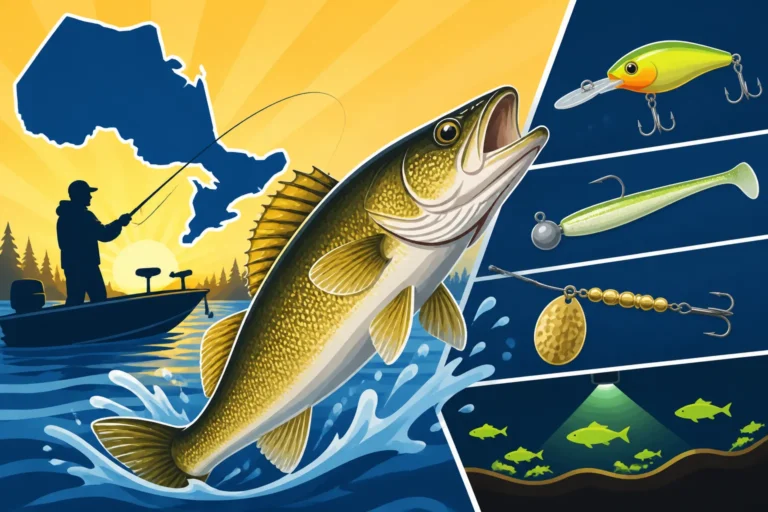
Best months to catch walleye in Ontario
It can feel like a real puzzle sometimes, trying to figure out the absolute perfect time to hit the water for walleye in Ontario. You hear whispers of "the opener," "fall bite," or "winter ice-out," and it’s enough to make your head spin, especially when you're just looking for some straight answers. This comprehensive guide is here to untangle all that, breaking down the best months to target these elusive and delicious fish, alongside the tactics that make each season shine.
Understanding Walleye Behavior Throughout the Year
Walleye, often called pickerel in some parts of Ontario, are fascinating creatures. Their behavior is incredibly tied to the changing seasons, primarily dictated by water temperature and their biological imperative to spawn. If you can understand what drives them, you're already halfway to putting more fish in your boat (or on the ice!).
Seasonal Movements and Feeding Patterns
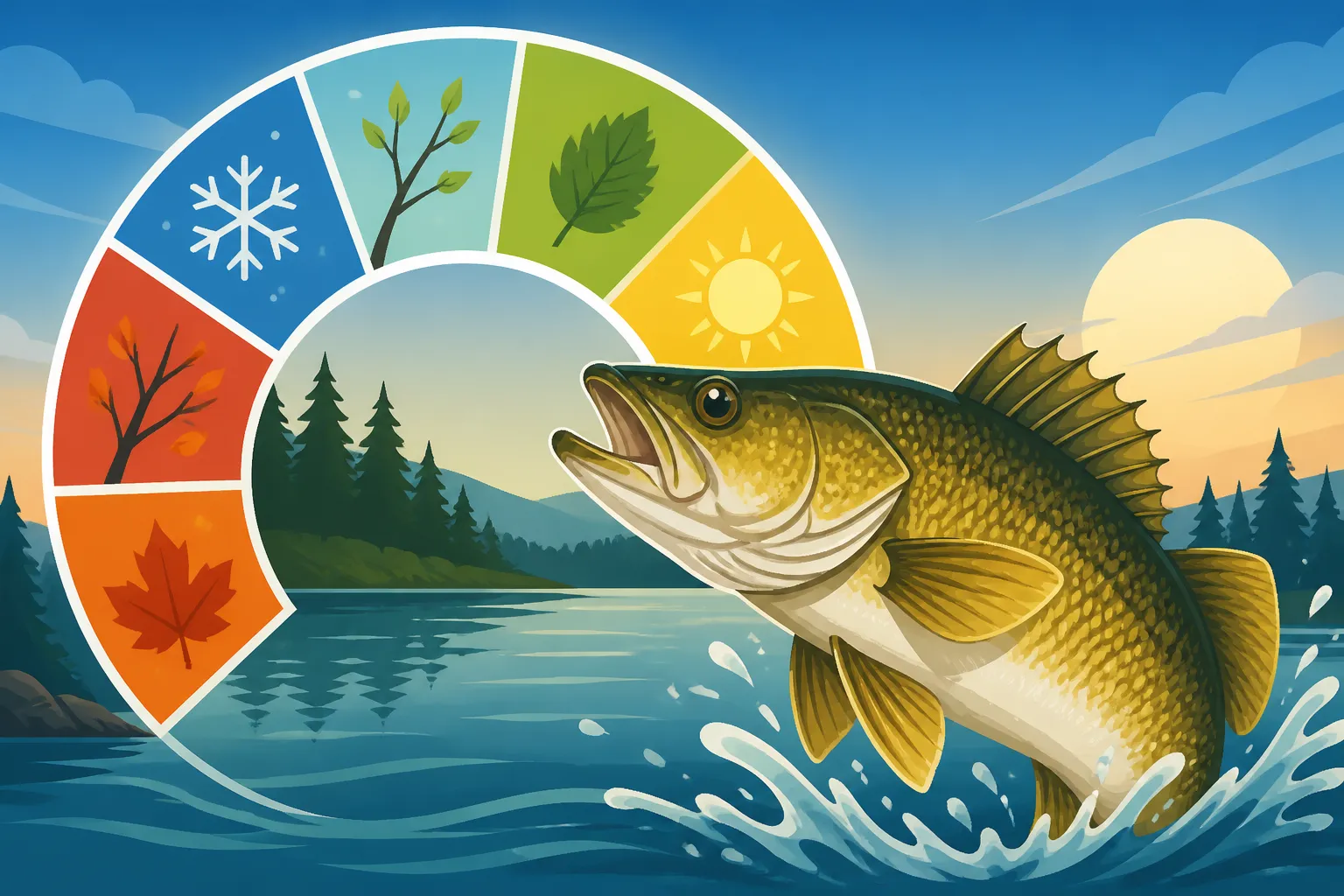
Think of walleye like creatures of comfort. They're constantly seeking that "sweet spot" in the water column where the temperature is just right, and where their preferred forage fish are abundant. In spring, after the ice melts and water temperatures begin to rise, their thoughts turn to spawning. This is a crucial period, as it dictates their initial movements and, shortly after, their aggressive post-spawn feeding. As summer heats up, they'll typically move deeper to find cooler, more oxygenated water, often congregating around structures or thermoclines. Fall brings another significant shift; as water temperatures cool, walleye become incredibly active, feeding heavily to pack on fat reserves for the long winter ahead. Even under the ice, they remain active, though their metabolism slows, requiring a more finessed approach. Knowing these general patterns is your first step to consistent success.
Impact of Water Temperature on Walleye Activity
Water temperature isn't just a number; it's a dynamic factor that dictates everything from a walleye's metabolism to its spawning habits and feeding intensity. In early spring, as lake temperatures climb past the 40°F (4°C) mark, walleye begin their migration to spawning grounds, which are often rocky shoals or river currents. Spawning typically occurs when water temperatures are between 45-50°F (7-10°C). Post-spawn, as temperatures rise into the 50s and low 60s°F (10-17°C), their metabolism ramps up, leading to a period of aggressive feeding. During the heat of summer, when surface temperatures can hit the 70s°F (20s°C) or higher, walleye often retreat to cooler, deeper waters, or seek shade in dense weed beds. As autumn arrives and water temperatures drop back into the 50s and 40s°F (4-15°C), they become highly active again, sensing winter's approach. Even in the depths of winter, under the ice, they'll seek out temperatures just above freezing where they can conserve energy but still hunt. This constant quest for ideal conditions means knowing your water temps can unlock where the walleye are holding.
Prime Walleye Fishing Seasons in Ontario
While you can technically catch walleye throughout the open water and ice fishing seasons in Ontario, certain months truly stand out for consistent action. It's all about understanding their seasonal patterns and adapting your approach. Keep in mind that specific opening dates and regulations will vary by Ontario Fisheries Management Zones, Explained, so always check the Ontario Fishing Regulations Explained before you head out.
Spring Walleye Action (May-June)
Ah, spring! This is arguably one of the most anticipated times for walleye anglers across Ontario. The "opener" typically falls in mid-May for many zones, though some northern zones might open later, while some specific waters may have unique rules. You can find detailed information on these timings in the Ontario Walleye Opener Dates by Zone. Immediately after the ice goes out and the water starts to warm up, walleye begin their spawning ritual. Once they've completed this strenuous activity, they enter a crucial post-spawn feeding phase. They are hungry, often aggressive, and concentrated in shallower areas, making them prime targets for anglers.
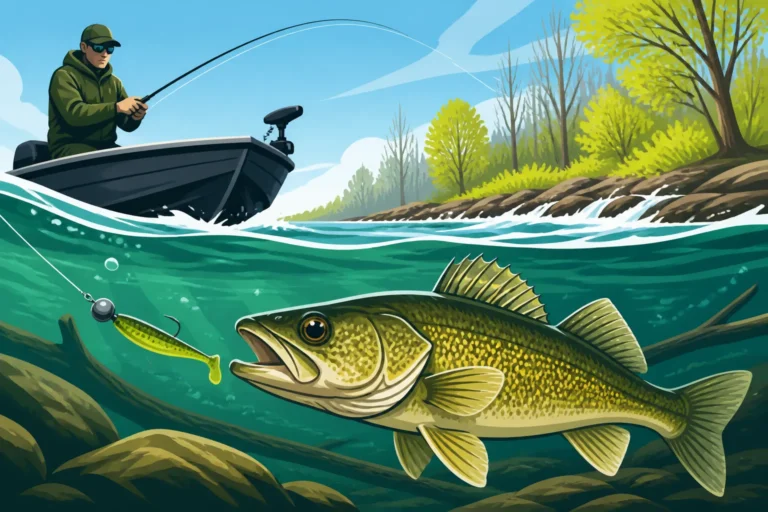
During late May and early June, you'll find walleye congregating in areas adjacent to their spawning grounds. Think shallow flats, rocky points, and river mouths where food sources like minnows are abundant. They're recovering from the spawn and are ready to eat. This is a fantastic time for casting jigs tipped with live minnows or soft plastics, trolling crankbaits along break lines, or drifting with a simple worm harness. Because they're shallower and often actively hunting, this period offers some of the most consistent action and can be fantastic for both boat and shore anglers. Many anglers swear by a specific "golden hour" in the evenings during this time, so be prepared to stay out a little longer. For more specific tactics during this time, check out our guide on Spring Walleye Fishing Techniques for Ontario.
Summer Tactics (July-August)
As the calendar flips to July and August, Ontario's lakes and rivers fully embrace summer. This means warmer water temperatures, which trigger a shift in walleye behavior. While still catchable, they're generally not found in the same shallow, easily accessible spots as in the spring. Instead, they retreat to deeper, cooler waters, often congregating around main lake structures like sunken islands, deep rock piles, or along the edges of vast weed beds where they can ambush prey.
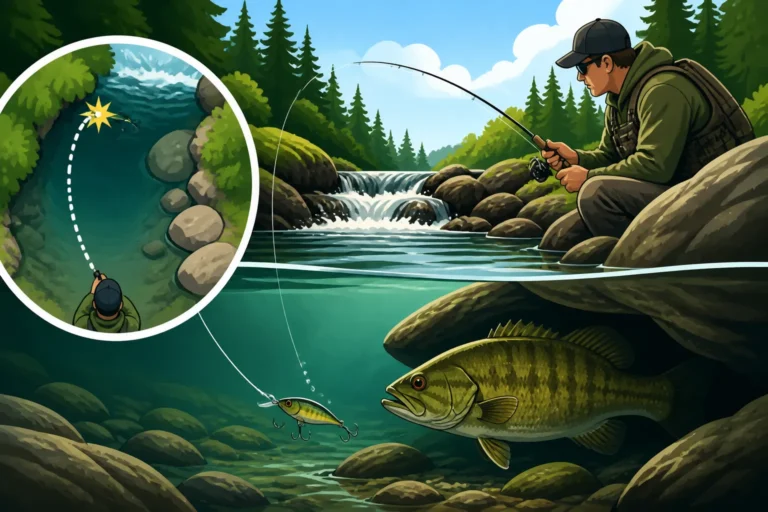
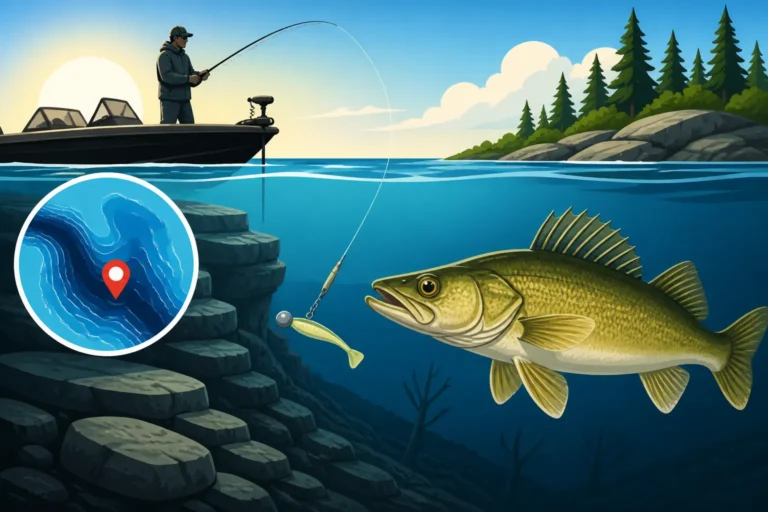
Fishing for summer walleye often requires more specialized techniques to reach them at depth. Trolling with deep-diving crankbaits or using bottom bouncers with crawler harnesses can be incredibly effective when covering large areas. Vertical jigging over deep structure with heavy jigs or spoons, especially during low light conditions or at night, can also yield excellent results. Pay close attention to your fish finder during these months; walleye will often suspend in the water column if they're chasing baitfish, so don't always assume they're glued to the bottom. Targeting walleye around dawn and dusk, or even through the night, can be particularly productive as they move shallower to feed under the cover of darkness. Many anglers seek out specific brands of deep-diving lures, often found conveniently on platforms like Amazon, for their summer trolling arsenals.
Fall Walleye Frenzy (September-October)
If spring is the opener, fall is the grand finale for many open-water walleye anglers. As September rolls in and the days shorten, water temperatures begin their steady decline. This cooling trend signals to walleye that winter is coming, and they need to bulk up. This creates another intense feeding period, often referred to as the "fall bite," which can be even more productive than the spring for trophy-sized fish.
During September and October, walleye become incredibly active and aggressive. They move back into shallower depths, often relating to prominent structures like rocky points, deep humps, and extended shoals that provide easy access to deeper water. They'll actively chase down baitfish, making a variety of presentations effective. Trolling large crankbaits, casting swimbaits, or ripping lipless crankbaits can all trigger ferocious strikes. Live bait presentations, like large minnows on jigs or under slip bobbers, are also highly effective, especially as the water gets colder. The fall bite can offer some of the biggest walleye of the year as they gorge themselves. Understanding these patterns is key to How to Catch Walleye in Ontario throughout the season.
Winter Ice Fishing (December-March)
For dedicated anglers, the fishing doesn't stop when the lakes freeze over. Ice Fishing in Ontario for walleye is a cherished tradition, offering a unique challenge and often incredible rewards. Once safe ice forms, typically from mid-December through March, walleye remain active under the frozen surface. While their metabolism slows down, they still need to feed, often congregating in predictable areas.
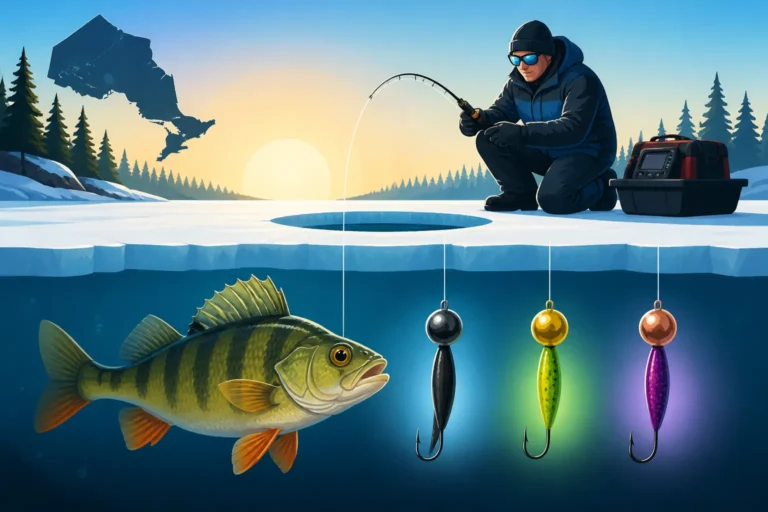
Winter walleye are frequently found on main lake basins, deep flats, or along submerged contours and drop-offs. They'll often school up, so if you find one, you're likely to find more. Jigging with flashy spoons, small swimbaits, or even vertically presenting live minnows on a drop-shot rig are popular and effective techniques. Portable fish finders are invaluable for locating these fish and understanding their depth. Investing in reliable ice fishing gear, from augers to shelters (many excellent options available on Amazon), can make your winter excursions much more comfortable and successful. Remember to check local ice conditions and regulations carefully, as well as the specific Ontario Northern Pike Winter Season in FMZ 20 if you plan to target multiple species.
Factors Influencing Walleye Success Beyond the Month
While knowing the best months provides a great starting point, successful walleye fishing in Ontario is a multi-faceted endeavor. There are always other variables at play that can turn an average day into an epic one, or vice versa.
Regional Variations and Local Regulations
Ontario is a vast province, and what holds true for walleye behavior in Lake Erie might be completely different for a remote lake in Northwestern Ontario. The province is divided into numerous Fisheries Management Zones (FMZs), and each one can have distinct regulations, season dates, and catch limits. For instance, the Ontario Walleye Opener Dates by Zone highlights that while many zones open in mid-May, some may open later or earlier depending on the local fish stocks and spawning patterns.
Always, and I mean always, consult the official Ontario Fishing Regulations Summary before your trip. These regulations cover everything from season dates and size limits to specific gear restrictions and bait rules. Ignoring these can lead to hefty fines and a ruined fishing trip. Conditions like cold fronts or early thaws can also affect local walleye behavior, causing them to be more active or sluggish than anticipated for the time of year. Being flexible and observing local conditions is paramount.
Weather, Water Conditions, and Bait Selection
Beyond the calendar month, daily conditions play a massive role. A sudden How to catch walleye during a cold front in Ontario can shut down a bite instantly, while stable weather with an approaching low-pressure system can spark a feeding frenzy. Water clarity, wind direction, and even moon phases are all factors that seasoned anglers consider. High winds might push baitfish (and subsequently, walleye) to certain shores, while calm, clear conditions might mean a deeper, more subtle presentation is required.
Bait selection is also critical. In spring, live minnows are often unbeatable, mimicking the natural forage. As summer progresses, artificial lures like crankbaits and soft plastics become highly effective, especially when trying to cover water and find fish. In the fall, larger minnows or even larger artificial lures are often preferred as walleye target bigger meals. For more insights on what these fish are likely to be biting on, you might want to explore topics like Best Baits for Walleye on Lake Erie. Experimentation is key, and having a diverse tackle box, perhaps stocked with items from Amazon, can be a game-changer.
Gear and Presentation for Different Seasons
The type of gear and your presentation method are directly linked to the season and the walleye's behavior. For instance, in shallow spring waters, a light to medium-light spinning rod with 6-8 lb test line might be perfect for casting jigs. However, for deep summer trolling, you'll need heavier rods, line counter reels, and braided line to handle the stress of deep-diving lures and strong fish. Ice fishing, of course, requires specialized short rods, sensitive tip-ups, and an understanding of vertical jigging.
Matching your lure size, color, and action to the forage available and the water conditions is vital. A subtle, natural presentation might be best for spooky, clear-water walleye, while an aggressive, flashy retrieve can trigger strikes from active, schooling fish. Understanding Best time of day to catch walleye on Lake Nipissing can also influence your gear choices, as low light conditions might necessitate different lure colors or heavier lines to avoid tangles. Always ensure your hooks are sharp, your knots are strong, and your drag is properly set for the size of fish you expect to encounter.
Here's a quick reference table to help visualize the best times:
| Season | Best Months | Typical Locations | Recommended Techniques | Key Considerations |
|---|---|---|---|---|
| Spring (Post-Spawn) | Late May – Early June | Shallow flats, rocky points, river mouths, weed edges | Jigging (live bait/plastics), trolling crankbaits, drifting worm harnesses | Walleye very active, recovering from spawn, often shallow. Check opener dates. |
| Summer (Warm Water) | July – August | Deep water, humps, sunken islands, deep weed lines, thermoclines | Deep trolling (crankbaits/bottom bouncers), vertical jigging, night fishing | Walleye retreat to cooler water; target low-light periods. |
| Fall (Pre-Winter Bite) | September – October | Rocky points, deep humps, extended shoals, transition areas | Trolling large crankbaits, casting swimbaits, live bait rigs (large minnows) | Walleye feed aggressively to bulk up for winter; potential for trophy fish. |
| Winter (Ice Fishing) | December – March | Main lake basins, deep flats, submerged contours, drop-offs | Vertical jigging (spoons/small swimbaits), tip-ups with live bait | Walleye school up; use electronics to locate fish. Check ice safety. |
Disclaimer
The information provided in this guide is for general informational purposes only and is subject to change. Fishing regulations, season dates, and conditions can vary significantly by location and time of year. Always consult the most current Ontario Fishing Regulations Summary and local authorities before planning any fishing trip. Safety should always be your top priority when on the water or ice.