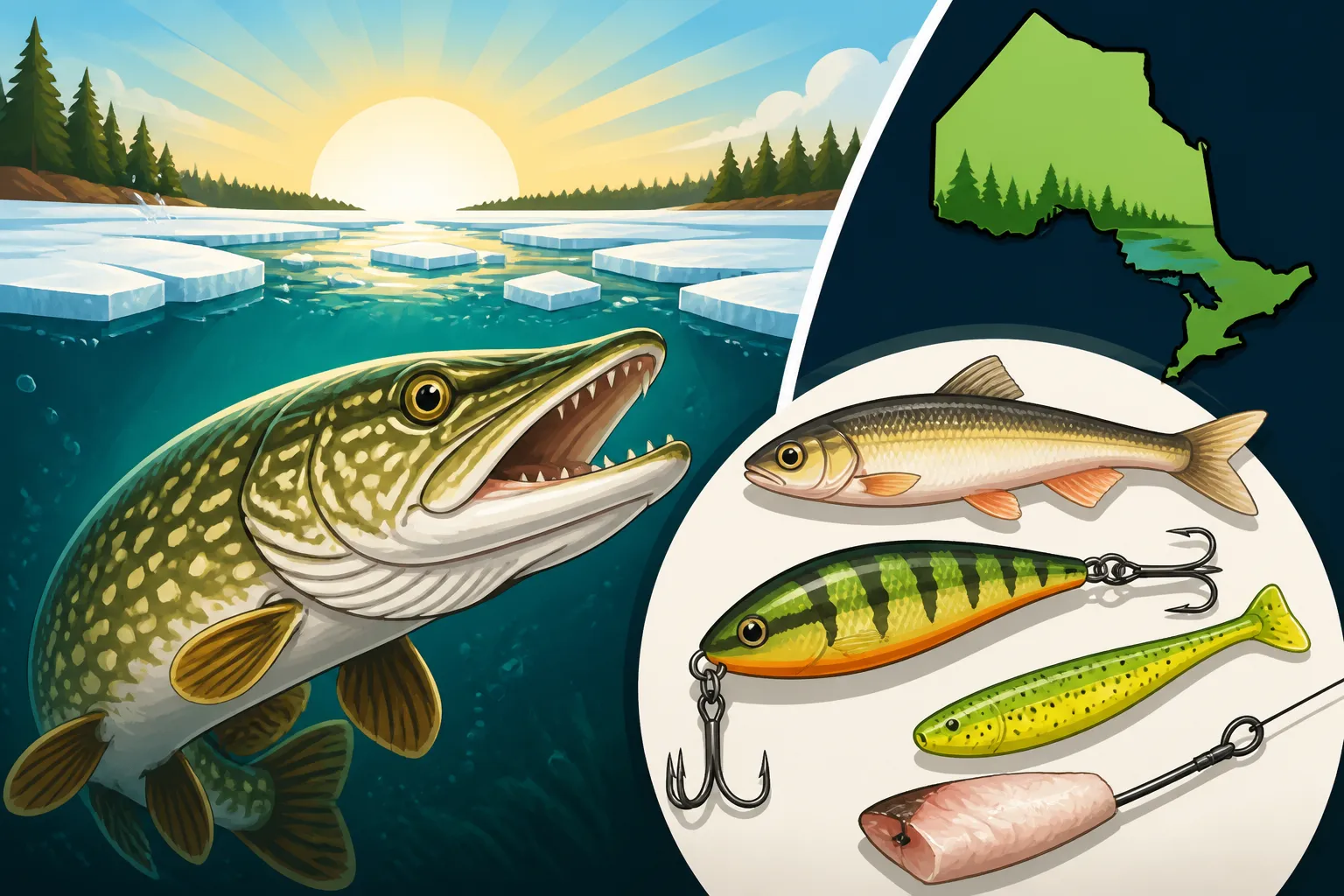
Best bait for pike at ice-out
Ah, ice-out! That magical, often frustrating, window when the ice finally melts away and a new fishing season truly begins in Ontario. For many of us, this period signals the start of prime Northern Pike action. But let's be honest, figuring out the best bait for pike right after the ice has cleared can feel like a guessing game. The water is still brutally cold, the fish can be sluggish, and what worked last fall might not cut it now. This guide is here to cut through the confusion and arm you with the knowledge to consistently hook into those toothy predators when the waters first open up.
Understanding Northern Pike Behavior During Ice-Out
When the last patches of ice cling to shorelines and open water finally emerges, northern pike are often on the prowl, but their activity levels are dictated by the frigid water. It's not like the summer frenzy; you need to understand their metabolism and where they'll be holding. Forget fast-moving, aggressive presentations for a minute; think slow, methodical, and targeted.
Post-Spawn Hunger and Cold Water Metabolism
Many pike in Ontario will have completed their spawning rituals either just before ice-out or in the very shallow, first-to-warm pockets of water immediately after. This post-spawn period leaves them utterly exhausted and, crucially, very hungry. They've expended a tremendous amount of energy and need to replenish it. However, the cold water temperature means their metabolism is still running in slow motion. They aren't going to chase a lure across a bay like they might in July. Instead, they're looking for an easy, substantial meal that doesn't require much effort. This is why a subtle presentation and a juicy, protein-packed offering are often key. They want to gorge, but they'll do it on their terms, which often means an ambush from a nearby cover.
Imagine you've just run a marathon – you're tired, you're hungry, but you're not going to sprint to the fridge for a carrot stick. You want a big, easy meal that's right there. That's a post-spawn pike. Their energy levels are at a low, and while their appetite is high, their willingness to exert themselves is not. This is a critical distinction from later in the season. Patience truly is a virtue during this initial phase of the open water season, and your bait choice and presentation must reflect this subdued, yet hungry, state.
Locating Pike in Early Spring Waters
So, if they're hungry but sluggish, where do you find them? The answer lies in the sun. Pike at ice-out will instinctively seek out the warmest water available. This usually means shallow bays, dark-bottomed areas that absorb sunlight, and the northernmost shores of lakes which receive more direct sun exposure. These areas often warm up just a few degrees faster than the main lake basin, and even a couple of degrees can make a world of difference to cold-blooded fish.
Look for emergent weed beds, remnants of last year's vegetation, or any submerged structure that can provide ambush points. These shallow nurseries are often teeming with baitfish that are also drawn to the warmer water, making them ideal hunting grounds for lethargic pike. Creeks and river mouths that feed into lakes can also be hotspots, as the inflowing water may be slightly warmer and carry nutrients, attracting baitfish and, consequently, pike. Consider looking for pike in areas where you might find Best fishing spots within an hour of Toronto or other accessible locations that feature these shallow, sun-drenched bays. The key is to think like a pike: where can I find an easy meal without having to move much, and where can I warm up a bit?
The Best Natural Baits for Ice-Out Pike
When the water is cold, nothing beats the real thing. Natural baits, whether live or dead, often provide the most compelling offering for sluggish ice-out pike. Their scent, natural movement (or lack thereof), and realistic profile are hard for a hungry pike to ignore.
Natural Presentation with Live Bait
Live bait, particularly minnows and suckers, can be incredibly effective for ice-out pike. The subtle, natural movements of a struggling baitfish are often enough to trigger a strike from a pike that might ignore a faster-moving lure. Small suckers, shiners, or even large chub minnows are excellent choices. The size of the bait is important; while pike are known for their aggression, a pike that’s just finished spawning might prefer a substantial meal that’s not too much effort to catch. Think 4 to 8-inch baitfish – large enough to be a meal, but not so big that it looks like a struggle.
When fishing live bait, presentation is paramount. A simple hook through the back or lips, fished under a float, allows the bait to swim naturally. You want it suspended just above any bottom structure or weed remnants. If you're fishing near current, a slip float can be invaluable to keep your bait in the strike zone. You can also fish live bait on a slow retrieve, just crawling it along the bottom, mimicking a weak or injured fish. Remember, slow is the name of the game. Pike will often mouth the bait before fully committing, so a quality, sharp hook is crucial for a good hookset. You can find robust treble hooks and leader materials perfect for pike on platforms like Amazon.
The Undeniable Appeal of Dead Baits
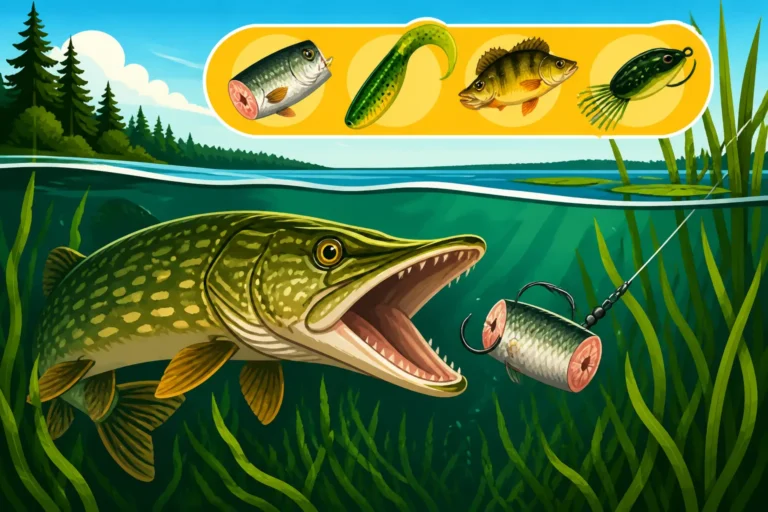
Perhaps the most underrated, yet incredibly effective, bait for ice-out pike is dead bait. Think about it: a dead fish offers no resistance, no chase required. It's a free meal, packed with scent and calories. Pike are opportunistic predators, and a large, oily dead bait can be irresistible to a recovering post-spawn fish. Smelt, ciscoes (lake herring), or even larger frozen minnows work wonders. The oil content in these fish disperses scent into the cold water, drawing in pike from a distance.
The best way to present dead bait is usually on the bottom, or just slightly suspended above it using a small float and a weight. A simple two-hook rig, often called a quick-strike rig, can be very effective, ensuring a good hookset even if the pike just inhales the bait without much fuss. Let the bait sit for extended periods, allowing that scent to spread. You might even give it a twitch every now and then to release more scent. This technique is particularly potent in those warmer, shallow bays where pike are trying to conserve energy. When you're looking for something substantial to put on your hook, head to your local bait shop or even check out frozen sections of fish markets for suitable dead bait. Fishing regulations around Ontario Bag and Possession Limits by Species or specific zones like the Ontario Fisheries Management Zones, Explained often specify rules for bait use, so always double-check.
| Bait Type | Pros for Ice-Out Pike | Cons for Ice-Out Pike | Ideal Presentation |
|---|---|---|---|
| Live Minnows/Suckers | Natural movement, irresistible to sluggish pike; good scent trail. Offers a substantial, easy meal. | Requires careful handling and storage; may attract smaller fish; can be harder to keep alive. | Suspended under a slip float near cover; slow-crawled on bottom. |
| Dead Smelt/Ciscoes | Strong scent trail in cold water; no effort for pike to "catch"; readily available (often frozen). | No natural movement, requires angler to impart action (or rely on current); can be messy. | Rigged on bottom or slightly suspended; allowed to sit for long periods; slow retrieve with pauses. |
| Suspending Jerkbaits | Mimics injured baitfish; can be paused for long durations in strike zone; good flash. | Requires some angler effort for action; can be ignored by truly lethargic pike; limited scent. | Twitch-twitch-pause, with very long pauses (5-10+ seconds) in cold water. |
| Spoons | Excellent flash and wobble; covers water effectively; durable and easy to cast. | Can be too fast or aggressive for very cold, inactive pike; not as much scent appeal. | Slow, wobbling retrieve; jigged vertically from a boat or through ice holes. |
| Spinnerbaits | Creates vibration and flash; can be fished slowly through cover; weedless design. | Can be too fast for truly inactive pike; limited colour options for natural look. | Slow-rolled just above bottom or through emergent weeds. |
| Soft Plastics (Swim Shads) | Very realistic profile; can be fished extremely slowly; versatile rigging options. | Less inherent action than hard baits; relies heavily on angler for movement. | Slow, steady retrieve; jigged subtly; bounced along bottom. |
Top Artificial Lures for Aggressive (and Not-So-Aggressive) Ice-Out Pike
While natural baits often shine, don't discount artificial lures. When pike start to show even a hint of aggression or are a bit more active, lures can cover more water and help you locate fish faster. The trick is selecting the right type and presenting them appropriately for cold water conditions.
Flash and Wobble: Spoons and Spinnerbaits
Spoons and spinnerbaits are classic pike lures for good reason, and they still have a place during ice-out. The key is to select patterns and retrieve methods that work in cold water. For spoons, look for designs that have a wide, slow wobble on the retrieve or when flutter-falling. Colours like silver, gold, chartreuse, and red-and-white are perennial favourites. The flash of a spoon can imitate a distressed baitfish, which is exactly what a hungry pike is looking for. When fishing spoons, resist the urge to retrieve quickly. Instead, a slow, steady retrieve with occasional pauses or lifts can be deadly. Think about the Best Crankbaits for Ontario Walleye – a similar slow, deliberate retrieve is often effective for pike too. Sometimes, a simple vertical jig of a spoon can entice strikes from fish holding tight to the bottom in deeper pockets of those shallow bays.
Spinnerbaits, with their rotating blades and skirted bodies, offer a different kind of attraction. The blades create flash and vibration, while the skirt provides a pulsing, lifelike profile. For ice-out pike, choose spinnerbaits with larger, slower-spinning blades (like Colorado or large willow leaf blades) that generate more thump at slower speeds. Again, retrieve them slowly, just fast enough to get the blades turning. A black or dark-coloured skirt with silver or gold blades can be very effective in low light or stained water, while brighter colours might work on sunny days. Their weedless design also makes them excellent for probing those shallow, brushy areas where pike love to ambush. You can find a vast array of these lures ready for your next trip on Amazon.
Suspending Jerkbaits for Finicky Fish
If there's one artificial lure that truly excels for finicky, cold-water pike, it's the suspending jerkbait. These lures are designed to be twitched and paused, hanging tantalizingly in the water column for extended periods. This "hang time" is absolutely crucial for ice-out pike. When a pike is sluggish, it might not commit to a lure that flashes by too quickly. A suspending jerkbait, however, can sit right in their face for 5, 10, or even 15 seconds, giving them ample time to decide if they want that easy meal.
Look for jerkbaits in natural baitfish colours like silver, white, or perch patterns. When retrieving, use a "twitch, twitch, pause" cadence. The pauses should be significantly longer than you'd typically use in warmer water. Imagine the lure as a disoriented, injured baitfish that's barely able to swim. The subtle darting action followed by a long, vulnerable pause is often what triggers an unaggressive pike to strike. This technique requires patience, but it can be incredibly rewarding. Think of it as a waiting game, drawing the fish in rather than chasing them down. Brands like Rapala offer excellent suspending jerkbaits that are well-suited for this technique.
Soft Plastics and Swimbaits for Slower Presentations
Rounding out the artificial lure selection are soft plastics and swimbaits. These versatile options can be rigged in various ways to achieve incredibly slow and realistic presentations. Large paddle-tail swimbaits, rigged on a weighted swimbait hook or a jig head, can mimic a chunky baitfish swimming slowly through the shallows. The key is to choose sizes that are appropriate for pike – often 5-8 inches – and retrieve them with a simple, steady, slow roll, just enough to get the tail kicking. The natural action and soft feel can be very enticing.
Beyond swimbaits, large curly-tail grubs or even creature baits, fished on a heavy jig head and bounced along the bottom, can also provoke strikes. These are particularly good for probing specific structures like fallen trees or rock piles in those warmer bays. The absence of a hard, erratic action makes them perfect for the cold water. The material of soft plastics also allows them to absorb scent, so adding a fish attractant can further enhance their appeal. The goal here is to present a large, easy-to-catch meal that moves slowly, almost struggling, making it an irresistible target for a cold, hungry pike. Consider researching Best Tackle for Ontario Walleye as many jig and soft plastic options for walleye can be adapted for pike in a pinch.
Essential Rigging and Presentation Tips for Ice-Out Pike
No matter what bait or lure you choose, how you present it will often make or break your success during the challenging ice-out period. Subtle nuances in your approach can be the difference between a productive day and going home empty-handed.
Slow and Steady Wins the Race
I cannot stress this enough for ice-out pike: slow down. Your retrieve, your jigging motion, the duration of your pauses – everything needs to be dialed back. As mentioned, pike have a slower metabolism in cold water, meaning they aren't going to expend much energy chasing down a fast-moving target. They need time to see the bait, track it, and then decide to strike. A presentation that might seem agonizingly slow to you is often just right for them.
When fishing artificials, this means longer pauses with jerkbaits, slower rolls with spinnerbaits and swimbaits, and deliberate, almost lazy, sweeps with spoons. For live or dead bait, it means letting them sit for extended periods, allowing the natural scents to dissipate, and only moving them minimally to trigger a reaction. If you're fishing in a new area, like some of the Best Crown Land Fishing Lakes in Ontario, experiment with varying your retrieve speed, but always lean towards the slower end of the spectrum first. Give the fish every opportunity to commit to your offering.
Leader Considerations and Line Choices
Pike have teeth. Lots of them. And they are sharp. If you're targeting pike, especially at ice-out when they can still be lethargic and might mouth the bait for a while, a proper leader is absolutely non-negotiable. Standard monofilament or fluorocarbon line, no matter how heavy, will be no match for their razor-sharp dental work. You'll end up with frustrating break-offs and lost fish, not to mention lost lures.
A steel leader or a heavy fluorocarbon leader (at least 60-80 lb test) is essential. While heavy fluorocarbon can offer a slightly more subtle presentation for clearer waters, steel leaders provide maximum abrasion resistance. The length of the leader is also important – aim for at least 8-12 inches to prevent a pike from biting through your main line if it inhales the bait deeply. As for your main line, braided line (30-50 lb test) offers excellent sensitivity, which can be crucial for detecting subtle bites in cold water, especially when dead-sticking bait. Couple that with a reliable baitcasting or spinning reel, and you're well-equipped. For deeper dives into setting up your tackle, check out guides like Northern Pike Fishing in Ontario or How to Catch Northern Pike in Ontario.
Ice-out pike fishing is a truly special time in Ontario. The waters are quiet, the crowds are minimal, and the pike are hungry, even if they're moving slow. By understanding their behaviour, selecting the right natural or artificial bait, and focusing on a slow, deliberate presentation, you'll greatly increase your chances of landing some fantastic early-season giants. So bundle up, brave the lingering chill, and get out there!
Disclaimer
This article is for general informational purposes only and does not constitute professional advice. Laws, prices and regulations vary by location and change over time. Consult a qualified professional for guidance on your specific situation.