Where the biggest lake trout live in Ontario
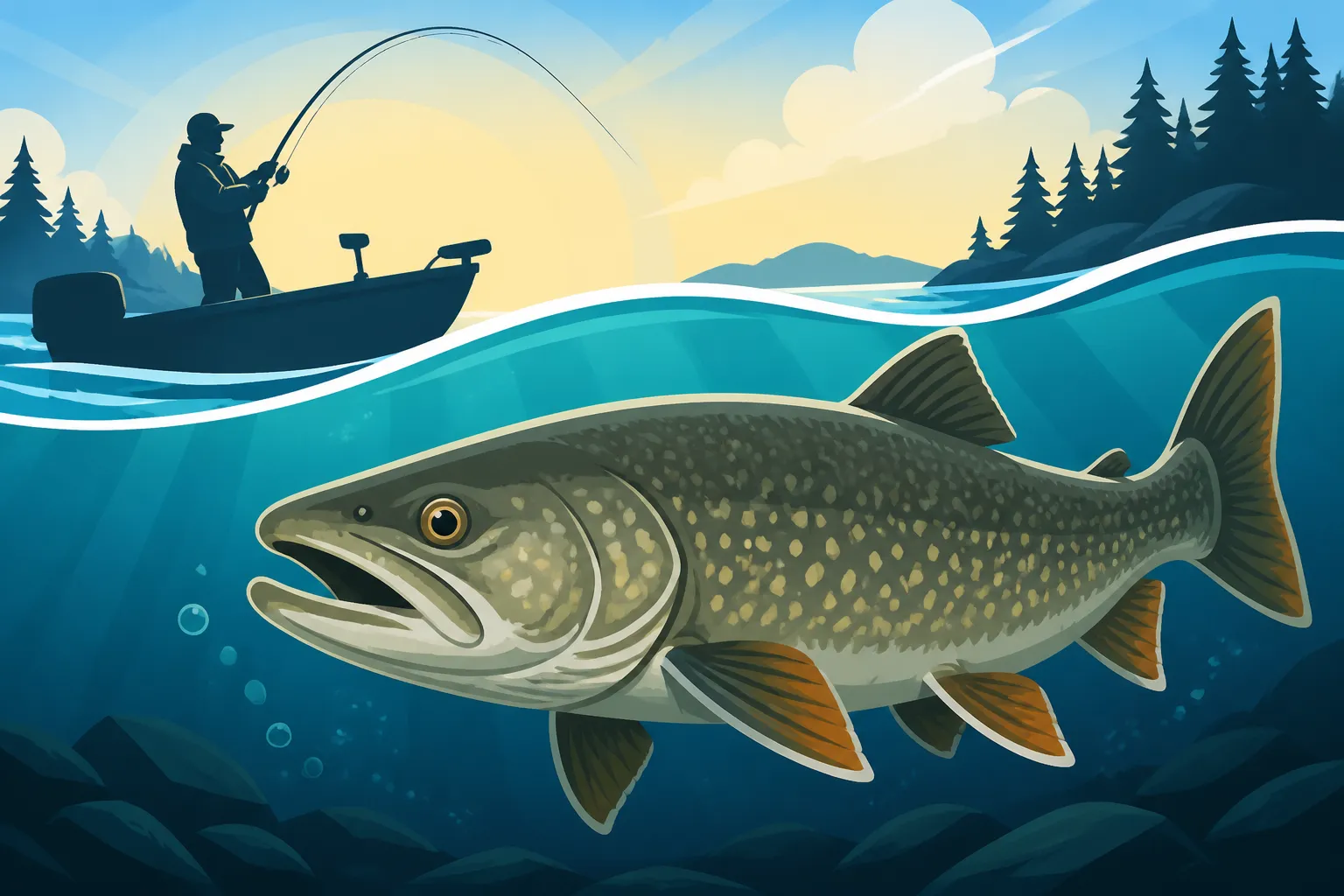
If you've spent any time on Ontario's incredible waters, you know the feeling: you've caught a few respectable lake trout, perhaps even some feisty ones, but you're still dreaming of that true giant. That elusive, old laker that makes your heart pound and your arms ache. Finding where these behemoths lurk isn't just about picking a random deep lake; it's about understanding their world, their habits, and the unique ecosystems that allow them to reach truly monumental sizes. This guide is dedicated to helping you zero in on those special places in Ontario where the biggest lake trout truly thrive.
The Quest for Giant Lake Trout: Understanding Their World
Landing a trophy lake trout in Ontario isn't just about luck; it's a testament to patience, knowledge, and often, an adventurous spirit. These incredible fish are survivors, growing to immense sizes by adapting to their environment. But what exactly makes an Ontario lake a potential home for a true monster laker? It's a combination of factors that create the perfect habitat for growth and longevity.
Deep, Cold, and Oxygen-Rich Waters
Lake trout are creatures of the cold, preferring water temperatures that hover between 8 to 12 degrees Celsius (46-54°F). This means they thrive in deep lakes where thermal stratification creates a consistent cold-water refuge, especially during the warmer summer months. Without these deep, cold havens, large lake trout simply can't survive or grow to their full potential. Think of those massive, clear, sapphire-blue lakes you sometimes see, plunging hundreds of feet down – those are prime laker territory. The sheer volume of cold, well-oxygenated water provides a stable environment year-round, allowing these fish to live for decades. This is why you won't find trophy lake trout in shallow, warm bodies of water. They need that consistent, deep chill.
Abundant Forage: The Fuel for Growth
Just like any growing creature, giant lake trout need an enormous amount of food to reach their impressive sizes. It’s not just any food, either; it’s usually high-fat, high-protein forage fish that fuel their massive growth spurts. In Ontario, this often means species like cisco (also known as lake herring), whitefish, or even other smaller lake trout. When a lake has a thriving population of these baitfish, the lake trout have a consistent, energy-rich food source that allows them to pack on pounds and achieve truly exceptional lengths. A lake might be deep and cold, but if it lacks a robust forage base, the lake trout will be numerous but stunted. The biggest lake trout live where the buffet is always open and plentiful. Understanding the food chain in a given lake is almost as important as understanding its depth, which is something many experienced anglers will research carefully.
Prime Ontario Regions for Trophy Lake Trout
Ontario is a massive province, and its geography offers a diverse range of fishing opportunities. When it comes to trophy lake trout, certain regions stand out for their ability to consistently produce fish that anglers only dream about. These aren't just good fishing spots; they're historical producers of true giants.
Northern Ontario's Vast Wilderness Lakes
When you picture "trophy lake trout water" in Ontario, your mind likely drifts north, far beyond the hustle and bustle of southern cities. Northern Ontario is an angler's paradise, a sprawling expanse of Canadian Shield dotted with thousands of lakes, many of which are truly remote and untouched. These lakes are often characterized by their immense size, staggering depths, and minimal fishing pressure, which is a crucial ingredient for allowing lake trout to age gracefully and grow without constant disturbance.
Lakes in regions like Sunset Country (around Kenora and Fort Frances), Algoma Country, or the vast expanses of the Far North offer the kind of solitude and pristine habitat that fosters truly enormous lake trout. Access often requires float planes, lengthy portages, or rugged backroad drives, which naturally limits the number of anglers and helps maintain healthy, aging fish populations. The isolation protects these lakers, giving them the time they need to mature into leviathans. If you're serious about a true wilderness experience and the chance at a fish of a lifetime, setting your sights on these less-pressured northern waters is a must. Many guides and outfitters operate in these areas, and while it's an investment, it dramatically increases your chances.
Great Lakes Giants: Superior and Huron
While the remote northern lakes are fantastic, we absolutely cannot overlook the sheer potential of Ontario's Great Lakes, specifically Lake Superior and Lake Huron. These are not just "lakes"; they are inland seas, possessing incredible depths, vast expanses of cold, oxygenated water, and incredibly rich forage bases. The sheer size of these water bodies means lake trout have endless room to roam, grow, and avoid angling pressure in certain areas.
Lake Superior, in particular, is legendary. It’s the largest freshwater lake by surface area in the world, with depths exceeding 400 meters (1,300 feet). This immense volume of cold water, combined with plentiful cisco and whitefish populations, creates the perfect environment for lake trout to reach truly astounding sizes. Fishing these lakes is a different beast entirely – it often requires larger, more robust boats, specialized gear, and a solid understanding of offshore trolling and deepwater jigging techniques. But the reward can be colossal, with fish exceeding 30, 40, or even 50 pounds not being unheard of over the decades. The largest lake trout ever caught in Ontario likely came from waters like these.
Specific Lakes Renowned for Massive Lakers
Beyond broad regions, certain individual lakes in Ontario have earned a reputation, sometimes mythical, for producing some of the biggest lake trout in the province's history. These are the names that come up in hushed tones around campfires and in fishing forums.
Lake Superior: An Inland Sea of Potential
As mentioned, Lake Superior is in a league of its own. Its massive size and profound depths mean there are vast, largely unexplored territories where ancient, giant lake trout can live out their lives. Anglers targeting trophy lake trout on Superior often focus on areas around Thunder Bay, Sault Ste. Marie, or the North Shore. The challenge here isn't just finding fish, but finding the biggest fish in such an expansive water body. This usually means venturing far offshore, looking for specific deepwater structures, expansive flats, or areas where current brings in abundant baitfish.
The sheer volume of water means that fish populations can fluctuate, but the consistent presence of giant lake trout is undeniable. Trolling with large spoons, big plugs, or deep-diving crankbaits is common, often at significant depths. Many dedicated trophy hunters will spend days, if not weeks, meticulously mapping contours and baitfish schools with advanced fish finders, recognizing that the biggest fish are often the most elusive. Finding the right gear for this kind of expedition is crucial, and you can often find heavy-duty trolling rods and reels suitable for battling these giants on Amazon.
Lake Huron: Georgian Bay's Deep Secrets
While Lake Superior often gets the nod for sheer size, Lake Huron, particularly its stunning Georgian Bay, is another phenomenal fishery for large lake trout. Georgian Bay is famous for its crystal-clear waters, countless islands, and incredibly complex underwater topography, featuring numerous deep channels, drop-offs, and shoals. These features provide ideal ambush points and foraging grounds for lake trout.
The depths in Georgian Bay, while not as profound as Superior's, are still significant, plunging hundreds of feet in many areas. Combine this with a healthy population of whitefish and cisco, and you have all the ingredients for trophy lake trout. Anglers often target areas around Parry Sound, the North Channel, or the deeper basins near the larger islands. Like Superior, success often comes to those who are well-equipped for offshore fishing and understand the nuances of deepwater presentations. For specific tackle to handle the deep water and strong currents of Georgian Bay, searching for "heavy trolling gear" on Amazon can provide a good starting point for your research.
Remote Northern Lakes: The Ultimate Adventure
Beyond the Great Lakes, Ontario is dotted with countless remote inland lakes, particularly in the northern reaches, that consistently produce truly massive lake trout. These lakes often require significant travel to reach, including potentially remote fly-in outpost camps, or even extensive portaging through wilderness areas. Here are a few notable examples:
- Lake Nipigon: Located north of Lake Superior, Lake Nipigon is a colossal body of water renowned for its enormous lake trout and brook trout. It's truly a wilderness lake, known for its deep, cold waters and abundant forage. The average size of fish here is impressive, and true giants are a very real possibility. A quick search for a Lake Nipigon Fishing Guide will quickly show you the immense potential.
- Eagle Lake: Situated in Northwestern Ontario, near Vermilion Bay, Eagle Lake is another legendary lake trout fishery. It's known for its intricate structure, numerous islands, and deep basins, all contributing to a thriving lake trout population that includes many trophy-sized specimens. Many lodges specifically cater to anglers seeking big lake trout here.
- Rainy Lake: Bordering Minnesota, Rainy Lake is another vast and deep body of water that produces excellent numbers of large lake trout. Its complex structure and international border add another layer to the adventure.
These lakes often have unique regulations specific to their zones, so always check the Ontario Fishing Regulations Explained before you go. The reward for venturing to these remote locations is not just the potential for a giant fish, but an unparalleled wilderness experience.
Strategies for Connecting with Ontario's Biggest Lake Trout
Knowing where the biggest lake trout live is only half the battle; the other half is understanding how to effectively target them in those environments. Trophy lake trout are often solitary, cunning, and will not be found in the same easy-to-reach locations as smaller, more numerous fish.
Seasonal Movements and Deepwater Structure
The biggest lake trout, especially the really old, wise ones, are almost exclusively found in deeper water for much of the year. During the summer, they retreat to the coldest, deepest parts of the lake, often clinging to structure like underwater points, humps, ridges, or deep rocky shelves. This is where Best Fish Finders for Ontario Lakes become indispensable. Modern sonar units with side imaging and down imaging can help you identify subtle breaks and baitfish schools in water hundreds of feet deep, clues that often betray the presence of large predators.
In spring and fall, when the surface waters are cooler, these giants might venture shallower, particularly during their spawning periods in the fall. However, even then, they tend to relate to deeper water access points. Understanding Ontario Fishing Seasons by Zone and Month will give you a better idea of these movements, but remember that the largest fish are often the least predictable. Deepwater trolling with specialized gear or vertical jigging over proven structure are common tactics. Learning Trolling Techniques for Ontario Lake Trout can greatly improve your chances on these vast waters.
The Role of Patience and Specialized Gear
Targeting the biggest lake trout is not for the faint of heart. It requires immense patience, often hours or days of marking fish or structure without a bite, only to have a single, monumental strike. Your gear needs to be up to the task – strong rods with a good backbone, reels with robust drag systems, and heavy line. Leader material is also critical, especially if fishing around sharp rock structures or if you expect to encounter the toothy northern pike that share some of these waters. Best Line Weight for Muskie Fishing and pike is a good reference, as their gear requirements can often overlap with trophy lake trout fishing due to the size and power of the fish.
It's also important to be prepared for the elements, especially on large, open waters like the Great Lakes or vast northern bodies where weather can change rapidly. Robust Best Boats for Ontario Lakes and Rivers and appropriate safety equipment are non-negotiable. Don't forget that for non-motorized boats or even canoes, the required safety equipment varies, but always includes a life jacket for every person on board, as detailed in Life Jacket Requirements for Ontario Boaters.
To summarize some key differences in regions for finding big lake trout:
| Feature | Remote Northern Wilderness Lakes (e.g., Nipigon, Eagle, Rainy) | Great Lakes (Superior, Huron – Georgian Bay) |
|---|---|---|
| Average Size | Often exceptional, good numbers of 10-20lb fish, with 30lb+ possible | Known for potential 30-50lb+ fish, but fewer in number |
| Forage Base | Whitefish, Cisco, Smelt, Burbot, sometimes other smaller Lakers | Whitefish, Cisco, Smelt, Alewife, Round Goby |
| Depth | Significant (hundreds of feet common) | Immense (Superior > 1300ft, Huron > 700ft) |
| Access | Remote, fly-in, portage, rugged roads | Public launches, marinas, larger towns |
| Fishing Pressure | Generally low to moderate | Varies; can be high near populated areas, low offshore |
| Preferred Tactics | Trolling, jigging, downrigging, sometimes deep casting | Deepwater trolling (downriggers, divers), vertical jigging |
| Typical Boat Size | 16-20ft aluminum or smaller fibreglass boats, often charter | 20-30ft+ offshore boats, charters |
| Wilderness Experience | Very High | Moderate to High (offshore) |
Ultimately, finding where the biggest lake trout live in Ontario is a journey that can take you to some of the most beautiful and wild places in the province. It's a pursuit that demands respect for the fish, their habitat, and the sheer power of the waters they call home. Good luck, and tight lines!
Disclaimer
This article is for general informational purposes only and does not constitute professional advice. Laws, prices and regulations vary by location and change over time. Consult a qualified professional for guidance on your specific situation.