Eagle Lake Fishing Guide
The frustration of planning a fishing trip, only to arrive and realize you're unprepared for the specific challenges and incredible opportunities of a new water body, is something every angler knows. This guide is your in-depth companion to Eagle Lake, one of Ontario's premier fishing destinations, ensuring you arrive with the knowledge to make your trip a resounding success.
Unveiling the Magic of Eagle Lake
Eagle Lake isn't just another body of water; it's a legendary fishery in the heart of Northwestern Ontario, renowned for its diverse populations of trophy-sized fish and breathtaking natural beauty. For anglers who crave both a challenge and a serene escape, this expansive lake offers an unparalleled experience, drawing visitors from across North America year after year. It's easy to see why it holds such a special place in the hearts of those who venture onto its waters.
A Jewel in Northwestern Ontario
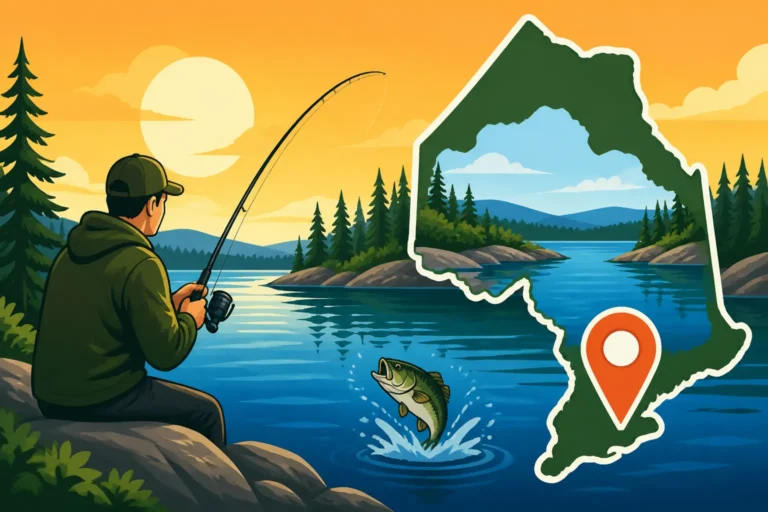
Nestled amongst the rugged wilderness of the Canadian Shield, Eagle Lake is truly a jewel. Located near Vermilion Bay and Dryden, it’s readily accessible by Highway 17, making it a feasible destination for many, whether you're driving up from the American Midwest or across Ontario. The sheer scale of the lake is impressive, boasting over 68,000 acres of water, countless islands, intricate bays, and extensive shoreline. This vastness means you can spend days, even weeks, exploring without ever feeling crowded, always discovering new honey holes and pristine stretches of water. Its position within the broader Winnipeg River system also contributes to its ecological richness and impressive fish populations. To understand the specific rules that govern this region, it's helpful to review the Ontario Fisheries Management Zones, Explained and confirm that Eagle Lake primarily falls within FMZ 5, which dictates its fishing seasons and limits.
The Allure of Pristine Waters
What truly sets Eagle Lake apart, beyond its sheer size, is the exceptional quality of its water and habitat. With an average depth around 25 feet and some areas plunging to over 100 feet, the lake offers a complex underwater topography that caters to a wide array of fish species. The water often boasts excellent clarity, particularly in the main lake basins, allowing sunlight to penetrate and foster rich aquatic plant life, which in turn supports a thriving baitfish population. This crystal-clear water, however, can also mean fish are more sensitive to presentation, demanding a bit more finesse from anglers. The numerous rocky shoals, submerged islands, weed beds, and dramatic drop-offs create an intricate network of prime fishing spots. These varied structures provide ideal cover, feeding grounds, and spawning areas for everything from trophy muskellunge to schooling walleye, making it a genuinely productive ecosystem.
Target Species: What You'll Catch
Eagle Lake is a multi-species angler's dream, offering a chance to hook into several highly sought-after game fish. Each species presents its own unique challenge and reward, making every day on the water an exciting prospect. Understanding their habits, preferred habitats, and the best times to target them is key to maximizing your success.
Walleye: The Golden Opportunity
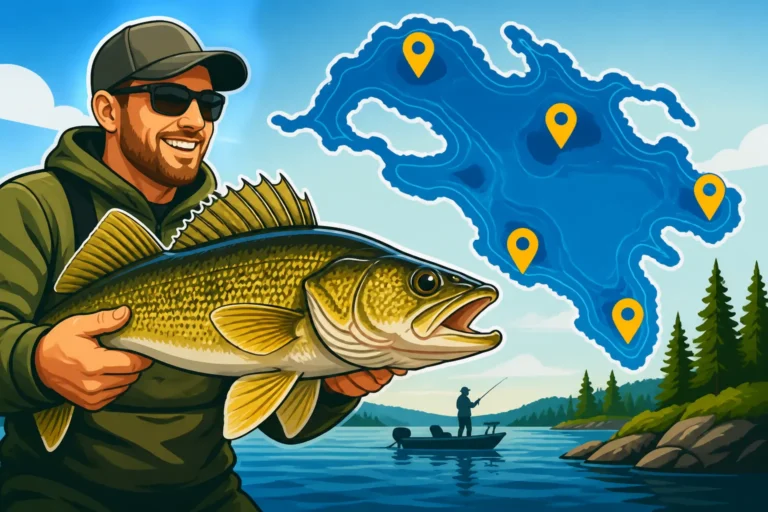
Walleye are undoubtedly one of the most popular species on Eagle Lake, prized for their delicious taste and challenging fight. These "golden opportunities" are abundant throughout the lake, often congregating around specific structures like rocky points, humps, and the edges of weed lines, especially where there's a good current or transition in depth. Early season, right after the ice melts, sees them shallow, often in bays and river mouths. As the season progresses into summer, they tend to move deeper, following baitfish into cooler, oxygen-rich waters. Trolling with crankbaits or bottom-bouncing with live bait (like minnows or crawlers) are incredibly effective methods. Jigging with a minnow or soft plastic around structure is also a go-to technique, particularly in the evenings when walleye become more active feeders. For a deeper dive into techniques, consult our guide on How to Catch Walleye in Ontario. Remember to check the specific Ontario Walleye Opener Dates by Zone for FMZ 5 to ensure you're fishing legally within the season.
Northern Pike: Aggressive Predators
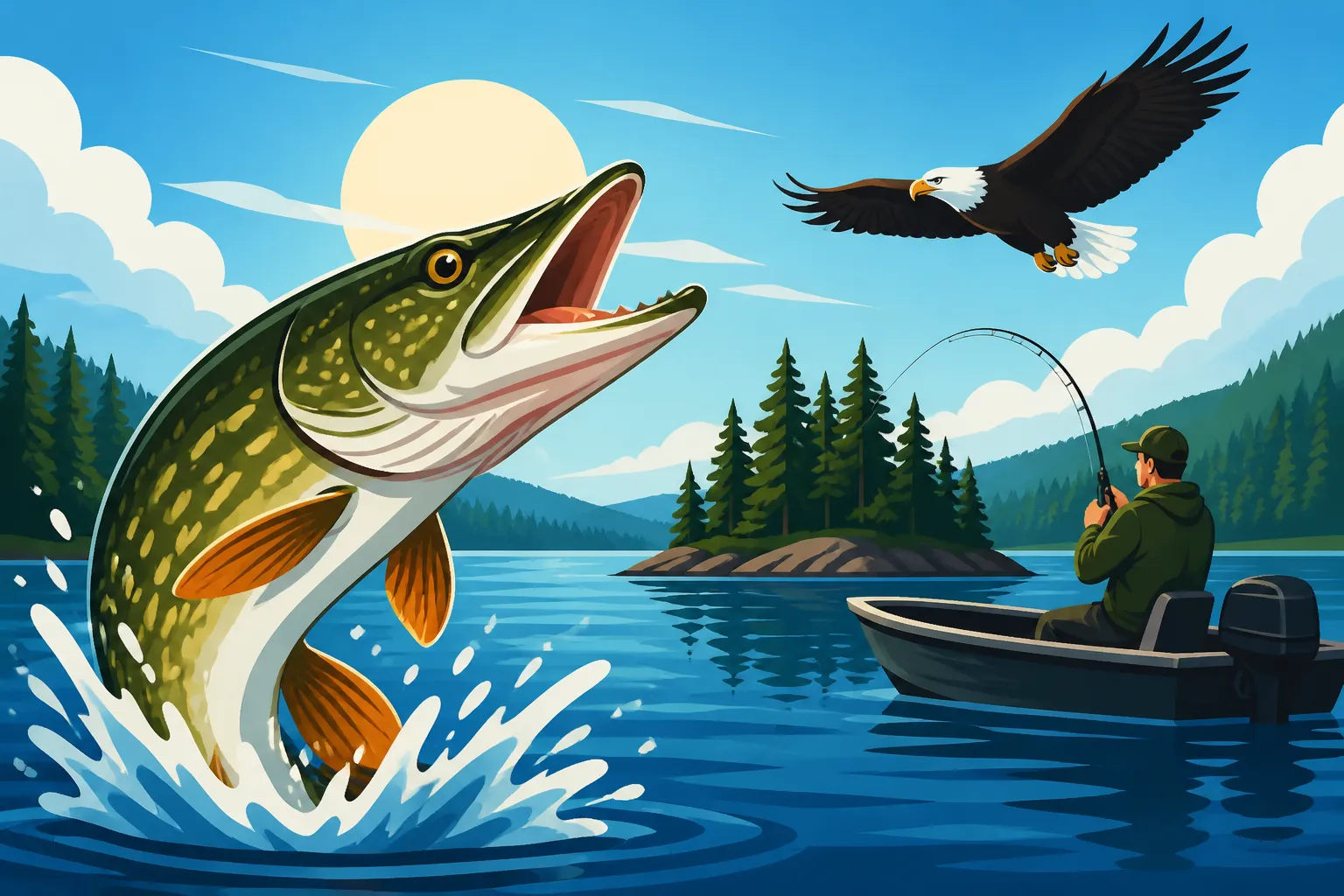
If you're looking for aggressive strikes and powerful fights, Eagle Lake's Northern Pike will not disappoint. These voracious predators grow to impressive sizes here, with many anglers reporting catches over 40 inches and true trophy pike exceeding 20 pounds. Pike are ambush predators, often found lurking in or near weed beds, fallen timber, and rocky points where they can surprise unsuspecting prey. In shallower bays during spring and fall, they're incredibly active. During summer, larger pike may retreat to cooler, deeper water, but still relate to structure. Large spoons, spinnerbaits, and crankbaits in bright colors are perennial favorites, as are large soft plastics. Don't be shy about throwing big baits; big pike want a big meal! For more comprehensive strategies on targeting these toothy giants, check out our resource on How to Catch Northern Pike in Ontario.
Muskie: The Fish of 10,000 Casts
For many dedicated anglers, Eagle Lake is synonymous with muskellunge. Often called "the fish of 10,000 casts," muskie here live up to their reputation for being elusive but offering the potential for truly enormous specimens. Eagle Lake has produced numerous 50-inch plus muskie, making it a bucket-list destination for muskie hunters. These apex predators prefer specific habitats, often relating to large weed flats, rocky reefs, deep points, and open water areas adjacent to structure. Early season sees them shallower, while summer often means targeting deeper structure or open-water trolling. Large bucktails, crankbaits, glide baits, and topwater lures are all effective, but persistence and meticulous presentation are key. The "figure eight" boatside maneuver is legendary for triggering follows into strikes. Make sure you're aware of the Ontario Muskellunge Season Dates and Limits for FMZ 5, as the season is typically closed during their spring spawning period to protect these magnificent fish. For more on strategies, read our guide on How to Catch Muskie in Ontario.
Smallmouth Bass: Pound-for-Pound Fighters
Eagle Lake is also home to a thriving population of feisty smallmouth bass, offering fantastic action, especially during the warmer months. These "pound-for-pound fighters" are known for their acrobatic jumps and hard runs, providing thrilling sport on lighter tackle. You'll find smallmouth congregating around rocky shorelines, boulder fields, points, and humps, particularly those exposed to wind or current. They love clear water and are often sight-fished in shallows early and late in the season. During summer, they move to deeper rock piles and breaklines. Topwater lures like poppers and walk-the-dog baits are incredibly exciting when bass are active on the surface. Tubes, drop shots, spinnerbaits, and small crankbaits are also highly effective. Understanding the Ontario Smallmouth Bass Slot Limits is crucial, as specific size restrictions often apply to help manage the population. For more advice on hooking into these energetic fish, our guide on How to Catch Smallmouth Bass in Ontario offers excellent tips.
Prime Fishing Seasons on Eagle Lake
Knowing when to plan your trip can significantly impact your success on Eagle Lake, as fish behavior changes dramatically with the seasons. Each period offers unique opportunities and challenges, catering to different fishing preferences and target species.
Spring: Post-Spawn Feasts
Spring on Eagle Lake, typically from late May through June, is a time of awakening and intense feeding activity. As the ice recedes, waters warm, triggering various species to move into shallower areas for spawning or to feed heavily after their long winter dormancy. The walleye opener is a highly anticipated event, with anglers flocking to target post-spawn walleye that are often found in river mouths, protected bays, and shallow rocky flats, gorging on baitfish. This can be an incredible time for consistent action, often with jigs and minnows or slow-trolled crankbaits being the most effective. Pike are also incredibly active in the shallow, warming waters, making sight-fishing with spinnerbaits or spoons highly productive in newly emerging weed beds. Smallmouth bass, after their spawn, will also begin to feed aggressively, patrolling rocky shorelines. Always double-check the Ontario Fishing Season Dates by Zone to ensure you're compliant with all opening and closing dates for FMZ 5.
Summer: Deep Water and Topwater Action
As summer progresses from July through August, Eagle Lake's waters warm considerably, pushing many fish into deeper, cooler zones, while others become active in low-light conditions or specific structures. This is prime time for open-water trolling for muskie and lake trout. Muskie will relate to deep weed lines, main lake points, and open-water baitfish schools, often hitting large trolled baits. Lake trout, while less publicized than other species on Eagle Lake, can be found in the deepest, coldest parts of the lake, often requiring downriggers or heavy jigging spoons. Our guide on Trolling Techniques for Ontario Lake Trout can offer some valuable insights. Smallmouth bass can still be found shallow in the mornings and evenings, where topwater action can be explosive around rocky islands and points. During the heat of the day, they'll retreat to deeper rock piles and main lake structures. Walleye in summer are typically deeper, requiring bottom bouncers, deep-diving crankbaits, or vertical jigging over submerged humps and breaklines.
Fall: Trophy Hunts and Feeding Frenzies
Fall, from September until ice-up, is arguably the most exciting time for trophy hunters on Eagle Lake. As water temperatures drop, fish enter a pre-winter feeding frenzy, trying to pack on as much weight as possible. This is the absolute peak season for giant muskie. They become incredibly aggressive, chasing large baits and often willing to make multiple follows. Big bucktails, glide baits, and large crankbaits are the go-to. Pike fishing also intensifies, with large pike becoming more accessible in shallower bays and around rocky structures. Walleye fishing remains strong, with fish schooling up on main lake points and humps, often moving shallower towards evening. The cooler temperatures and vibrant fall foliage add another layer of beauty to the fishing experience, making it a favorite season for many seasoned anglers.
Winter: Ice Fishing Opportunities
While many lakes in Northern Ontario are synonymous with ice fishing, Eagle Lake offers its own unique winter angling appeal, particularly for those willing to venture out. Once the lake safely freezes over, usually from December to March, the hardwater action begins. Anglers primarily target walleye, Northern Pike, and Yellow Perch through the ice. Walleye are often found over shallower reefs and humps, particularly during low-light hours, responding well to jigging spoons tipped with minnow heads or small minnows on tip-ups. Pike can be caught in shallower, weedy bays using large tip-ups with dead bait. Perch, while not the primary draw, can offer fast action, especially for families, using small jigs and baits. If you're planning an ice fishing trip, remember that safety is paramount. Our comprehensive guide on Ice Fishing in Ontario provides essential safety tips and techniques for staying warm and catching fish. Always check ice conditions locally, as they can vary greatly across such a large body of water.
Essential Gear and Tactics for Success
Successfully navigating Eagle Lake's vast waters and diverse fisheries requires more than just a rod and reel. Having the right gear and employing specific tactics can be the difference between a memorable trip filled with trophy catches and a frustrating blank.
Lure Selection for Eagle Lake
Given the variety of species and fishing conditions on Eagle Lake, a versatile tackle box is essential.
For Walleye:
- Jigs: 1/4 to 3/8 ounce jigs in chartreuse, orange, white, or black, tipped with live minnows or soft plastics (like Berkley Gulp! minnows or twister tails).
- Crankbaits: Medium to deep-diving crankbaits like Rapala Shad Raps, Berkley Flicker Shads, or Salmo Hornets in natural baitfish patterns (perch, shiner) or bright colors.
- Bottom Bouncers/Crawler Harnesses: Essential for summer walleye. Use a 1-3 oz bottom bouncer with a crawler harness featuring brightly colored beads and a spinner blade, tipped with a juicy nightcrawler.
For Northern Pike:
- Spoons: Large Dardevle spoons, Johnson Silver Minnows, or Eppinger Daredevle in red/white, five of diamonds, or silver.
- Spinnerbaits: Heavy-duty spinnerbaits with large single or double willow blades in white, chartreuse, or black.
- Crankbaits: Large lipped crankbaits like Bagley Rumble B's or Musky Innovations Shallow Invaders for shallower weed edges.
For Muskie:
- Bucktails: Large inline bucktails (e.g., Mepps Musky Killer, Musky Mayhem Tackle Cowgirl) in black, chartreuse, or orange with flash.
- Crankbaits/Glide Baits: Deep-diving crankbaits (e.g., Grandma Lures, Livingston Lures) and glide baits (e.g., Salmo Slider, Hell Hound) are crucial.
- Topwater: For calm conditions, large topwater lures like Whopper Ploppers or surface baits that walk the dog can be incredibly effective. Consider durable leaders as muskie have formidable teeth.
For Smallmouth Bass:
- Tubes: 3-4 inch tube jigs in green pumpkin, smoke, or black, often fished on a 1/4 oz jig head.
- Drop Shot Rigs: Small finesse worms or minnow imitations on a size 1 or 2 hook, 1-2 feet above a 1/4-3/8 oz drop shot weight.
- Topwater: Poppers (e.g., Rebel Pop-R, Storm Chug Bug) and walking baits (e.g., Heddon Super Spook) for exciting surface strikes.
- Spinnerbaits/Crankbaits: Small- to medium-sized spinnerbaits and crankbaits in shad or crawfish patterns.
Having the right rod and reel combo is also critical; for general lake fishing, consider a robust medium-heavy spinning rod for walleye and bass, and a dedicated muskie setup for those truly large predators. Our guide to Best Fishing Rods for Ontario Lakes can help you choose.
Navigating Eagle Lake's Structure
Eagle Lake's sheer size and intricate underwater topography mean that good navigational tools and an understanding of fish-holding structure are paramount. A reliable boat equipped with a quality fish finder is almost a necessity for serious anglers.
- Mapping: Invest in high-definition lake maps, either paper or digital, that show contours, depths, and identified structures. Modern GPS units with Navionics or Lakemaster charts are invaluable. Understanding these maps will help you pinpoint submerged humps, deep-water points, channels, and expansive flats that hold fish.
- Electronics: A good fish finder with side-imaging or down-imaging capabilities can reveal baitfish schools, individual large fish, and subtle changes in bottom composition that traditional sonar might miss. For deep-water fishing, particularly for walleye and lake trout, the ability to read your electronics to mark fish and structure accurately is non-negotiable. Our guide on Best Fish Finders for Ontario Lakes offers detailed advice on selecting the right unit for your needs.
- Understanding Structure: Fish, especially walleye and smallmouth, often relate to breaks – where shallow water abruptly drops into deeper water. Muskie and pike will often patrol weed lines or ambush prey from fallen timber. Learning to "read" the water and identify these transitions on your electronics or through surface indicators is a skill that comes with time, but it's essential for consistent success on a lake like Eagle. Don't be afraid to experiment; if you find a productive pattern in one area, look for similar structure elsewhere on the lake.
Planning Your Eagle Lake Fishing Adventure
A successful fishing trip to Eagle Lake isn't just about what happens on the water; it's also about solid preparation and comfortable lodging. Given the remote feel of Northwestern Ontario, having your logistics dialed in can make all the difference.
Choosing Your Lodging
Eagle Lake is fortunate to have a variety of established fishing resorts and lodges, many of which have been family-run for generations. These establishments cater specifically to anglers and often provide more than just a place to sleep. Many offer:
- Cabin Accommodations: From rustic to luxurious, providing a comfortable home base.
- Boat Rentals: For those who can't bring their own vessel, or prefer to travel light, well-maintained fishing boats are often available.
- Guides: Experienced local guides who know the lake inside and out can be invaluable, especially on your first visit.
- Meal Plans: Some lodges offer American Plan packages, taking care of all your meals, allowing you to focus solely on fishing.
- Fish Cleaning Facilities: Essential for processing your catch at the end of the day.
When choosing a lodge, consider your group size, budget, and desired level of amenities. Popular options include Andy Myers Lodge, Vermilion Bay Lodge, and Eagle Lake Island Lodge, each offering a slightly different experience. Booking well in advance, especially for prime season dates, is highly recommended as these spots fill up quickly.
Hiring a Guide or Outfitter
For many, particularly first-timers or those seeking to maximize their chances at a trophy, hiring a local fishing guide is a wise investment. An experienced guide for Eagle Lake brings an unparalleled depth of knowledge:
- Local Expertise: They know the current hot spots, what baits are working, and how fish are behaving given the recent weather and water conditions. This can save you days of searching.
- Equipment: Guides typically provide all the necessary fishing gear, including specialized rods, reels, and a vast array of lures tailored to the lake's conditions. This is particularly helpful for species like muskie, which require heavy-duty tackle.
- Navigation: Their intimate knowledge of the lake's vast and often complex structure, including hidden hazards, ensures a safe and efficient day on the water.
- Technique Refinement: A guide can offer real-time coaching, helping you refine your casting, retrieve, and presentation techniques, significantly improving your angling skills.
If you're looking to book a guide, platforms like FishingBooker can be incredibly useful. They list various reputable guides and outfitters operating on Eagle Lake, allowing you to compare services, read reviews, and book directly. Many lodges also offer in-house guiding services or can recommend trusted local guides. While a guide might seem like an added expense, the learning experience and increased success rates often make it well worth the cost, especially when you're targeting elusive fish like muskie or trying to understand the nuances of a new lake. Whether you're a seasoned angler or a novice, a day with a guide can transform your trip into an unforgettable adventure.
Eagle Lake Species and Seasons at a Glance
To help you plan, here's a quick overview of the primary target species on Eagle Lake, their typical seasons, and general regulations (always confirm current regulations before fishing).
| Species | Primary Season | Best Time to Target | General Limit (FMZ 5)* | Typical Habitat |
|---|---|---|---|---|
| Walleye | Late May – October | Spring/Fall, low light | S-4, C-2 | Rocky points, humps, weed edges, current |
| Northern Pike | Late May – October | Spring/Fall, active feeding | S-4, C-2 | Weed beds, fallen timber, shallow bays |
| Muskellunge | June – November | Summer/Fall, open water | S-1, C-0 | Large weed flats, rocky reefs, open water |
| Smallmouth Bass | Late June – December | Summer, clear rocky areas | S-4, C-2 | Rocky shorelines, boulder fields, points |
| Lake Trout | January – September | Summer (deep), Winter (ice) | S-2, C-1 | Deep main lake basins, cold water |
| Yellow Perch | Year-round | Winter (ice), Summer (schools) | S-50, C-25 | Shallow weed beds, drop-offs, schooling |
*S = Sport Fishing License, C = Conservation Fishing License. Always refer to the official Ontario Bag and Possession Limits by Species and the current Ontario Fishing Regulations Summary for exact and up-to-date limits.
Disclaimer
Please note that fishing regulations, season dates, and limits are subject to change. Always consult the most current version of the Ontario Fishing Regulations Summary, available from the Ontario Ministry of Natural Resources and Forestry (MNRF), before planning and undertaking any fishing activity. This guide is for informational purposes only and should not be considered a substitute for official government resources. Adhere to all local, provincial, and federal laws and practice responsible angling to preserve this incredible fishery for future generations.