Fly Fishing for Trout in Ontario
The serene beauty of an Ontario stream, the whisper of the fly line through the air, and the electrifying tug of a wild trout are experiences that can be incredibly rewarding. However, many aspiring fly anglers feel overwhelmed by the sheer amount of information out there, or perhaps intimidated by the perceived complexity of the sport. You've likely seen seasoned anglers effortlessly cast perfect loops and wondered if you could ever achieve such grace, or maybe you're just unsure where to start with all the different gear and techniques. This comprehensive guide is designed to demystify fly fishing for trout in Ontario, providing you with the knowledge and confidence to embark on your own tranquil adventures, from the smallest brook to mighty rivers.
Understanding Ontario's Trout Species for Fly Anglers
Ontario boasts a fantastic array of trout species, each offering a unique challenge and experience for the fly angler. Knowing what you're targeting, and where these fish typically reside, is the first step to a successful day on the water. It’s not just about casting; it’s about understanding the fish itself.
Native Brook Trout: Gems of the Canadian Shield
Ah, the Brook Trout – often considered the crown jewel of Ontario's freshwater fish. These vibrant, speckled beauties are actually a char, but we lovingly call them trout. They thrive in the coldest, cleanest, and most oxygenated waters, often found in the remote corners of the Canadian Shield. Think small, spring-fed creeks, secluded beaver ponds, and the pristine lakes of Northern Ontario. Their preferred habitat often dictates their size; while stream-dwelling brookies might be smaller, those in larger, food-rich lakes can grow surprisingly large.
Brook trout are opportunistic feeders, keying in on aquatic insects like caddis larvae, mayfly nymphs, and stonefly nymphs. During hatches, they'll readily rise to dry flies mimicking these insects. They also aren't shy about chasing smaller baitfish or even a terrestrial bug that's fallen into the water. If you're heading deep into Algonquin Park or Quetico Provincial Park, you'll likely encounter these wild, self-sustaining populations. Catching a native brookie is a special experience, and it underscores the importance of proper Brook Trout Native Range in Ontario conservation practices, often involving careful catch-and-release to protect these precious resources for future generations.
Robust Rainbow Trout: River and Lake Dwellers
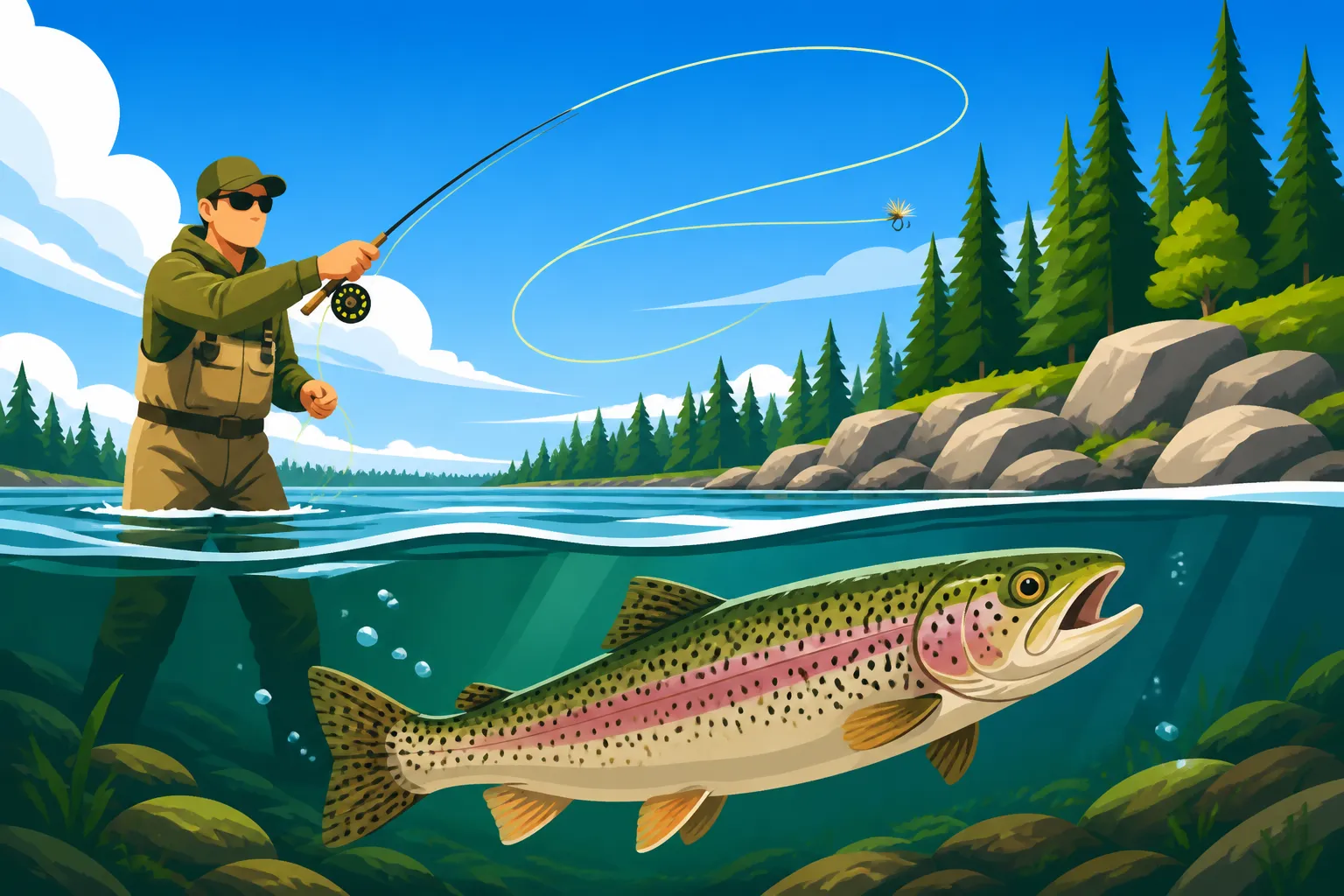
Rainbow trout are perhaps the most recognizable trout species, and for good reason – their fight is legendary! In Ontario, you'll encounter both wild and extensively stocked populations. Many of our rivers, especially in Southern Ontario, receive regular stockings, providing fantastic opportunities for anglers. These stocked fish are often easier to catch initially, but they quickly adapt to their environment and become more challenging.
Then there are the wild rainbows, particularly those magnificent "steelhead" that migrate from the Great Lakes into their natal tributaries to spawn each spring and fall. These fish are incredible athletes, built for battling currents, and present an exhilarating challenge on a fly rod. Rivers like the Grand River, Credit River, and Saugeen River are renowned for their steelhead runs. Whether you're targeting a resident rainbow in an inland lake or a chrome bright steelhead, they prefer well-oxygenated water, often found in riffles, runs, and the heads of pools where food drifts past. They'll eat just about anything – nymphs, wet flies, streamers, and during hatches, dry flies. Understanding their migratory patterns and preferred feeding lies is crucial for success, especially during the dynamic Ontario Fishing Seasons by Zone and Month.
Elusive Brown Trout: The Wary Adversaries
The brown trout is often considered the most challenging of the commonly found trout species for fly anglers in Ontario, and for good reason – they are notoriously wary and cunning. Introduced to Ontario, these fish have established themselves in many larger, cooler rivers and some lakes, often tolerating slightly warmer water temperatures than brook trout. They are incredible survivors and can grow to impressive sizes, feeding on a diverse diet that includes insects, crayfish, and particularly, smaller fish. This piscivorous diet means streamers can be incredibly effective when targeting larger browns.
You'll find established brown trout populations in rivers like the Grand River, Saugeen River, and various smaller systems across southern and central Ontario. Their wariness means that stealth, perfect presentation, and meticulous fly selection are paramount. A sloppy cast or a draggy drift will often send a brown darting for cover. They prefer undercut banks, submerged logs, and deep pools, often holding in seams where current delivers food but they expend minimal energy. Hooking a large brown trout on a fly rod is a truly earned accomplishment and a testament to an angler's skill and patience.
Lake Trout: The Deepwater Challengers on the Fly
Now, lake trout aren't typically the first species that comes to mind when you think of fly fishing, but don't count them out! While they primarily inhabit deep, cold waters, especially during the summer, there are specific times and places where targeting them on the fly can be incredibly effective and exciting. Early in the spring, right after ice-out, lake trout will often cruise the shallows, chasing schools of baitfish before retreating to the depths as the water warms. Similarly, in the late fall, as lake temperatures drop, they might become more accessible near shorelines.
These deep-dwelling char require heavier gear and specific techniques. Think 7-9 weight rods, full sinking lines, and large, baitfish-imitating streamers like Clouser Minnows, Deceivers, or even large Woolly Buggers. Locations like Lake Superior, Lake Huron, and many of the vast, deep lakes of Northern Ontario hold robust lake trout populations. You'll often need a boat or canoe to access their preferred areas, casting towards rocky points, drop-offs, or even jigging vertically with a fly. It's a more niche fly-fishing pursuit, but the reward of hooking into a powerful lake trout on the fly is immense, truly a unique Ontario experience.
Essential Gear for Fly Fishing Ontario's Trout Waters
Stepping into the world of fly fishing often means navigating a dizzying array of gear. Don't worry, you don't need to break the bank to get started, but having the right tools for the job will certainly enhance your experience and success. Think of it as investing in your enjoyment and efficiency on the water.
Rod, Reel, and Line Selection
Choosing your rod, reel, and line is foundational. The "weight" system is key here:
- Rod Weight: For smaller streams and delicate brook trout, a 3- or 4-weight rod is often ideal. It's light, sensitive, and makes even smaller fish feel like giants. If you're tackling larger rivers for rainbow or brown trout, or even larger smallmouth bass that might share trout waters, a 5- or 6-weight rod is a versatile all-around choice. For those powerful steelhead on Great Lakes tributaries or the occasional lake trout, you'll want a beefier 7- or 8-weight rod. These heavier rods provide the backbone needed to cast larger flies and subdue strong fish in swift currents. Many anglers find a 5-weight to be a good starting point as it handles a wide variety of trout scenarios. For specific recommendations, check out a guide on Best Fly Rods for Ontario Trout Streams.
- Reel: The reel's primary purpose is to hold your line and provide a drag system to fight fish. For trout, it generally doesn't need to be overly complicated or expensive. A "large arbor" reel is often preferred as it picks up line faster. Ensure it's matched to your rod weight for balance.
- Line: This is where things get a bit more specialized. A floating weight-forward (WF) line is the most common and versatile choice for trout. It's designed to float and helps turn over your leader and fly. However, for nymphing in deeper runs or fishing streamers, you might consider a sink-tip line or even a full-sinking line. These help get your flies down into the strike zone faster. Don't forget to purchase some backing, which connects your fly line to your reel, providing extra line for those long-running fish. You can often find decent beginner combos, including rod, reel, line, and backing, on online retailers like Amazon, making it easy to get started without too much guesswork.
Leaders, Tippet, and Knots
This is often where new fly anglers get confused, but it's simpler than it seems!
- Leader: This is the clear, tapered monofilament or fluorocarbon line that connects your fly line to your tippet. It's tapered from thick (butt section) to thin (tip section) to help transfer casting energy smoothly and present your fly delicately. Leaders typically come in lengths from 7.5 feet to 12 feet, with longer leaders (9-12ft) being ideal for spooky trout in clear water.
- Tippet: This is a thinner, untapered section of line that you tie to the end of your leader, and then tie your fly to. Its primary purpose is to allow you to change flies without shortening your expensive tapered leader, and to provide a "fuse" – if you snag, the tippet breaks, saving your leader. Tippet comes in different "X" sizes, with higher X numbers (e.g., 5X, 6X) being thinner and more delicate for small flies and wary fish, and lower X numbers (e.g., 2X, 3X) being stronger for larger flies and bigger fish. Using fluorocarbon tippet is often preferred in clear water as it's nearly invisible and sinks, which can be beneficial for nymphing.
- Knots: Mastering a few key knots is essential. The Perfection Loop is great for creating a loop on the end of your leader to attach tippet. The Surgeon's Knot or Blood Knot are perfect for connecting tippet to leader or adding a section of tippet. For attaching your fly, the Improved Clinch Knot or Orvis Knot are reliable choices. Don't worry, practice makes perfect, and there are countless instructional videos online to guide you.
Wading Gear and Safety Essentials
To truly access Ontario's trout waters, you'll often need to get in the water.
- Waders: Chest waders are generally recommended over hip waders as they offer more protection from deeper water and cold temperatures. Look for breathable waders, especially for warmer months, to prevent overheating. Neoprene waders are warmer but less breathable, often preferred for colder water or winter steelhead fishing.
- Wading Boots: These are worn over your wader's neoprene booties. You have a choice between felt soles (excellent grip on slimy rocks but can transport invasive species) and rubber soles (more durable, less prone to carrying invasives, but can be slicker on certain surfaces). Many anglers prefer rubber soles with studs for maximum grip and environmental responsibility. A dedicated guide like Best Wading Boots for Rocky Streams can offer more insights.
- Wading Staff: This is a non-negotiable safety item, especially if you're wading in unfamiliar water or strong currents. It provides stability, helps gauge depth, and can prevent falls.
- Personal Flotation Device (PFD): If you're fishing from a float tube, kayak, or even wading in very deep or swift water, always wear a PFD. Safety first!
- Layering: Ontario's weather can be unpredictable. Dress in layers, avoiding cotton, which stays wet and cold. Opt for synthetics or wool that wick moisture and insulate even when damp.
Essential Accessories and Fly Boxes
These small items make a big difference in your day:
- Net: A rubberized, knotless landing net is crucial for catch-and-release. The rubber mesh protects the fish's slime coat and fins. Make sure it's big enough for the fish you anticipate catching. A good trout net is compact but deep enough to hold the fish safely in the water while you de-hook it. For muskie, you'd need a much larger one, but for trout, a compact landing net is usually fine.
- Nippers and Forceps: Nippers (small clippers) are for quickly cutting line. Forceps (hemostats) are invaluable for safely removing hooks, especially when practicing catch-and-release.
- Strike Indicators and Split Shot: For nymphing, a strike indicator (a small bobber-like device) helps detect subtle bites. Small split shot weights help get your nymphs down to the fish faster in current.
- Fly Boxes: A variety of fly boxes will keep your precious flies organized and protected. You might have one for dry flies, one for nymphs, and another for streamers. Look for boxes with clear lids, magnetic compartments, or slotted foam to hold flies securely. You'll find a vast selection of these accessories and more on Amazon or at your local fly shop.
- Polarized Sunglasses: Not just for eye protection, polarized lenses cut glare, allowing you to see into the water, spot fish, and identify underwater structure.
Understanding Trout Habitat and Reading the Water
One of the most rewarding aspects of fly fishing is learning to "read the water." This isn't just about identifying where the fish might be; it's about understanding why they're there, what they're doing, and how the water itself influences their behavior. This knowledge will dramatically improve your success.
Decoding River and Stream Structures
Trout are constantly seeking three things: food, cover, and favorable water conditions (temperature, oxygen). River and stream structures dictate where these elements converge.
- Riffles: These are shallow, fast-moving sections of water where the surface is broken. Riffles are oxygen-rich and often churn up insect nymphs, making them prime feeding areas. Trout will often hold at the bottom of riffles, just where the faster water transitions to a slower pool, waiting for food to drift by.
- Runs: Deeper, smoother, but still flowing sections of water. Trout often hold in runs, particularly near current seams where faster water meets slower water. These seams act like conveyor belts for food.
- Pools: Deep, slower-moving sections of water. Pools provide resting areas and thermal refuge, especially in warmer weather. The heads of pools (where the current enters) and the tails of pools (where the current exits) are often productive feeding zones. Look for submerged logs, rocks, or undercut banks within pools that offer cover.
- Eddies: Swirling pockets of water behind obstacles (large rocks, fallen trees) where the current is significantly slower. Eddies collect food and provide trout with a low-energy place to rest and feed.
- Cut Banks: Where the river has eroded the bank, creating an overhang. These offer excellent overhead cover from predators and shade, often holding larger, warier trout.
When approaching a stream, observe the flow, look for changes in depth and current, and identify these key structures. Trout almost always face upstream, waiting for food, so approaching from downstream and casting upstream or across-stream is often the most effective strategy for a natural drift.
Lake and Pond Tactics for Trout
While river fishing gets most of the fly-fishing spotlight, lakes and ponds, especially those that are stocked or contain wild brook trout, offer fantastic opportunities.
- Stocked Ponds: Many conservation areas and provincial parks in Ontario stock trout in smaller ponds. These are excellent places for beginners to practice. Trout in these waters often cruise the shorelines, especially early in the season or during cooler parts of the day. Focus on areas with submerged logs, weed beds, or where fresh water enters.
- Smaller Lakes (Wild Brook Trout): These are often found in the remote wilderness of Northern Ontario. Look for rocky points, shoals, drop-offs, and areas where streams flow in or out. Early morning and late evening are prime times, as brook trout will move into shallower water to feed. During the day, they'll retreat to cooler, deeper sections.
- Shoreline Structure: Whether it's a stocked pond or a remote lake, trout will utilize shoreline structure for cover and ambush points. Fallen trees, docks, large boulders, or transition zones from rock to sand can all hold fish.
- Drop-offs: As water temperatures rise, trout in lakes will move to deeper, cooler water. Target the edges of drop-offs where they can ambush baitfish moving between deep and shallow water. Use sinking lines or weighted flies to reach these depths.
- Weed Lines: Healthy weed beds produce oxygen and harbor a wealth of aquatic insects and baitfish. Trout will often patrol the edges of these weed lines.
Seasonal Movements and Preferred Conditions
Trout behavior is heavily influenced by the seasons and environmental conditions.
- Spring (Ice-Out): As ice melts, trout become active and hungry. Water levels are often high, and temperatures are cold. Steelhead runs are in full swing in tributary rivers. Lake trout in lakes will be in the shallows. Nymphs and streamers are usually very effective.
- Summer: This can be the most challenging time, especially in Southern Ontario, as water temperatures rise. Trout become stressed in warm water and seek thermal refuges – cold spring feeders, deep pools, or oxygenated riffles. Early mornings and late evenings are the best times. Focus on fast-moving, oxygenated water. Consider fishing Ontario Catch and Release Only Waters during this time to minimize stress on the fish.
- Fall: As temperatures drop, trout become more active. Brown and brook trout often begin their spawning rituals. Steelhead return to tributaries. This is an excellent time for streamers and larger nymphs. The cooler water reinvigorates the fish, and they feed aggressively to put on weight for winter.
- Water Temperature and Clarity: Trout are cold-water fish. Optimal temperatures for brook and brown trout are generally between 10-18°C (50-65°F), and slightly cooler for lake trout. High water (from rain or snowmelt) can scatter fish but also bring in more food. Low, clear water makes fish warier, requiring longer leaders, finer tippet, and more delicate presentations. Always check local conditions before heading out, as they dramatically impact fish behavior.
Key Fly Patterns and Matching the Hatch
One of the magical aspects of fly fishing is "matching the hatch" – choosing a fly that imitates the natural insects or baitfish that trout are currently feeding on. While carrying a vast array of flies can be daunting, a core selection will cover most situations in Ontario. For more specific local insights, checking out a resource like Fly Patterns for Ontario Trout Streams is always a good idea.
Dry Flies: Imitating Surface Insects
Dry flies are designed to float on the surface, mimicking adult insects that have hatched and are either flying, resting, or laying eggs. The thrill of a trout rising to your perfectly presented dry fly is truly unforgettable.
- Common Ontario Hatches: Mayflies, caddisflies, and stoneflies are the most prevalent aquatic insects that hatch in Ontario. Mayfly hatches can be prolific, especially in spring and fall, with species like Sulphurs, Hendricksons, and Cahills. Caddis hatches are often frantic, with adults skittering across the water. Stoneflies are larger and less common but can induce aggressive strikes.
- Popular Patterns:
- Adams: A classic generalist dry fly that imitates various mayflies. Essential in sizes 12-20.
- Elk Hair Caddis: A buoyant pattern that perfectly mimics adult caddisflies. Great for turbulent water. Sizes 12-18.
- Stimulator: A large, bushy attractor pattern that can imitate a stonefly, large caddis, or even a grasshopper. Excellent in faster water. Sizes 8-16.
- Parachute Adams: A variation of the Adams with a white parachute post for high visibility, making it easier to track on the water.
- Presentation Techniques: The key to dry fly success is a "dead drift" – making your fly float downstream naturally, without any drag from your line. This often requires mending your line (making small adjustments to keep the line upstream of the fly) to counteract conflicting currents.
Nymphs: Subsurface Staples
Trout feed subsurface far more often than on the surface. Nymphs, which imitate the immature aquatic insect stage, are consistently the most productive flies.
- Importance of Nymphing: Think about it – the larval and pupal stages of insects live underwater for months, while the adult stage only lasts days. This means trout have a constant, readily available food source in the form of nymphs.
- Popular Patterns:
- Pheasant Tail Nymph: A classic, simple, and incredibly effective pattern that imitates many mayfly nymphs. Sizes 14-20.
- Hare's Ear Nymph: Another versatile pattern, mimicking a variety of aquatic insects. Its buggy, shaggy appearance is irresistible. Sizes 12-18.
- Prince Nymph: A flashier, more distinctive pattern that works well as an attractor or to imitate larger stonefly nymphs. Sizes 10-16.
- Copper John: A heavily weighted, flashy nymph that gets down quickly. Effective in fast water or when trout are holding deep. Sizes 12-18.
- Techniques:
- Indicator Nymphing: Using a strike indicator (like a small bobber) on your leader to suspend your nymph at the desired depth and detect subtle bites. This is a great starting point for beginners.
- Euro Nymphing: A more advanced technique that uses a long, sensitive rod, specialized tapered leaders, and no indicator. The angler maintains direct contact with the nymphs, using subtle line movements and watching the line for slight hesitations to detect strikes. This technique is incredibly effective for getting flies deep quickly and maintaining a perfect drift.
Streamers and Wet Flies: Imitating Baitfish and Aquatic Critters
When trout are aggressive, or when you're targeting larger specimens that prey on baitfish, streamers are your go-to. Wet flies, on the other hand, typically imitate drowned insects or emergers.
- Streamers for Aggressive Trout: Streamers imitate baitfish (minnows, sculpins), leeches, or large aquatic insects. They often provoke an aggressive, predatory strike rather than a subtle sip. They are particularly effective for brown trout, lake trout, larger rainbow trout, and often for smallmouth bass found in trout waters.
- Popular Streamer Patterns:
- Woolly Bugger: Arguably the most versatile streamer ever. It can imitate a leech, minnow, crayfish, or large insect. Available in many colors (black, olive, brown are staples) and sizes (4-12).
- Clouser Minnow: Primarily a saltwater fly, but incredibly effective for mimicking baitfish in freshwater, especially for lake trout or aggressive river trout. Sizes 2-8.
- Sculpzilla: Designed to imitate sculpins, a common bottom-dwelling baitfish. Its bulky profile and jigging action are very appealing. Sizes 4-8.
- Stripping and Swinging Techniques: Unlike dead-drift dry flies or nymphs, streamers are fished actively. You cast them out and retrieve them by "stripping" (pulling the line in short or long jerks), imitating a swimming baitfish. "Swinging" a streamer involves casting across-stream and letting the current propel the fly in an arc, similar to how wet flies are fished.
Terrestrials and Attractor Patterns
Sometimes, trout aren't keying in on aquatic insects at all.
- Terrestrials: These are land-based insects that accidentally fall into the water. Grasshoppers, ants, and beetles can be very important food sources, especially during summer and early fall. Carrying a few foam hoppers, ant patterns, and beetle imitations can save the day when aquatic hatches are sparse.
- Attractor Patterns: These flies don't imitate anything specific but use flash, bright colors, or unusual shapes to "attract" a trout's attention, provoking an inquisitive or reactionary strike. They are useful when trout aren't actively feeding on a specific hatch or in stained water.
- San Juan Worm: A simple, squiggly red or pink fly that often fools trout, especially in high or off-color water.
- Egg Patterns: Trout (and especially steelhead) will eat eggs, especially during spawning seasons. Small, brightly colored egg patterns can be deadly.
- Squirmy Wormy: A newer, very popular and highly controversial pattern (some find it too effective!) that uses soft, jiggly material to imitate a worm.
| Fly Category | Common Patterns | Primary Purpose | When to Use |
|---|---|---|---|
| Dry Flies | Adams, Elk Hair Caddis, Stimulator, Parachute Adams | Imitate adult aquatic insects on the surface | During visible hatches, calm water, trout rising to surface food |
| Nymphs | Pheasant Tail, Hare's Ear, Prince, Copper John | Imitate immature aquatic insects underwater | Most of the time, especially when no surface activity, deeper water |
| Streamers | Woolly Bugger, Clouser Minnow, Sculpzilla | Imitate baitfish, leeches, large invertebrates | Aggressive trout, larger fish, stained water, chasing predatory fish |
| Terrestrials | Foam Hopper, Ant, Beetle | Imitate land-based insects that fall into water | Summer/Fall, especially near grassy banks, when no aquatic hatches |
| Attractor Flies | San Juan Worm, Egg Pattern, Squirmy Wormy | Provoke a strike based on flash/color, not imitation | High water, dirty water, picky fish, during spawning runs (eggs) |
Mastering Fly Casting and Presentation Techniques
Casting a fly rod looks daunting, but it's a skill built on a few fundamental principles. Think of it as painting with a brush; you learn the basic strokes, and then you can create masterpieces. A smooth, controlled cast is essential for delicate presentation, which is often the key to fooling wary Ontario trout.
The Basic Overhead Cast
This is your bread and butter, the foundational cast for fly fishing. It’s all about smooth acceleration and abrupt stops, making the line do the work.
- The Pickup and Back Cast: Start with your line on the water. Lift the rod smoothly, accelerating it back over your shoulder. Imagine a clock face: your rod tip should travel from about 10 o'clock (or even 9 o'clock if the line is heavy or wind is behind you) to 1 o'clock. Stop abruptly at 1 o'clock. This stop sends the line sailing behind you in a loop. Resist the urge to let the rod go too far back!
- The Pause: Let the line unroll completely behind you. This is crucial for smooth timing. Watch your line – when it’s fully extended behind you, you’re ready for the forward cast. This pause will vary depending on how much line you have out.
- The Forward Cast: As the line straightens behind you, smoothly accelerate the rod forward, stopping abruptly at about 10 or 11 o'clock. This stop propels the line forward, creating a tight loop that unrolls over the water.
- The Drift/Presentation: As the line unrolls, guide it to your target. The goal is to lay the line and leader out softly, allowing your fly to land naturally.
- Common Errors: The most common mistakes are "tailing loops" (from hurrying the cast or stopping too abruptly), "throwing a wide loop" (from not stopping abruptly enough), and "crashing" the line (from not pausing long enough on the back cast). Practice in an open field or park, focusing on smooth acceleration and firm stops. There are many excellent online tutorials and local fly shops that offer casting lessons.
Roll Cast and Speciality Casts
Not every fishing situation allows for a full overhead cast. That's where specialty casts come in handy.
- The Roll Cast: This cast is your best friend when there's an obstruction behind you (trees, bushes, steep banks) that prevents a back cast. With the line still on the water in front of you, lift the rod tip, drawing the line closer to you until there’s a D-loop formed behind your rod tip. Then, with a smooth, forward acceleration, push the line off the water and forward. It's a remarkably effective way to get your fly out a decent distance without a back cast.
- Reach Cast: This is a vital mend on the forward cast itself. As your line unrolls, you literally reach your rod tip upstream or downstream, laying the line in a curve. This creates an immediate mend, giving your fly a longer, drag-free drift over conflicting currents.
- Curve Cast: A similar idea to the reach cast, but designed to present your fly in an arc around an obstacle or to drop it into an eddy. You can achieve this by flicking your wrist or using a sidearm cast.
- Single and Double Haul: These are advanced casting techniques used to generate more line speed and achieve greater distance. A "haul" involves pulling the fly line sharply with your non-dominant hand during the back cast and/or forward cast, adding extra momentum. While not essential for beginners, they're great skills to develop for larger rivers or windy conditions.
Reading Drift and Achieving a Drag-Free Presentation
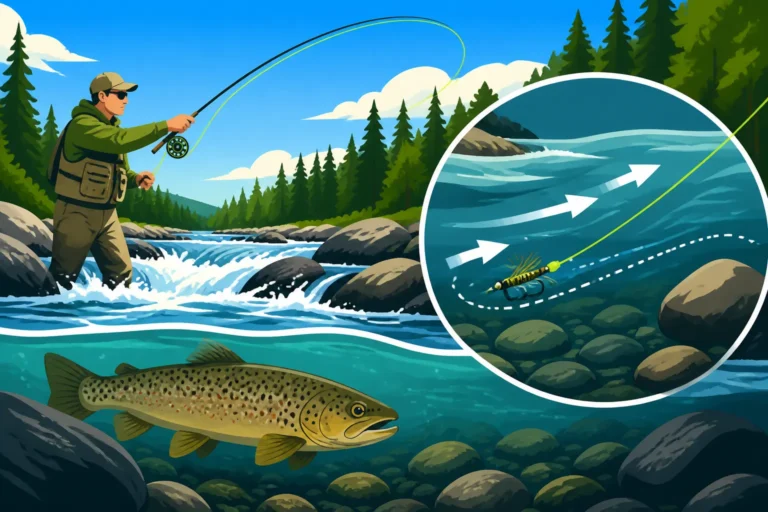
This is arguably the most critical skill for fly fishing, especially for wary trout. A drag-free drift means your fly is moving at the exact same speed as the natural current, just like a real insect or baitfish.
- Understanding Currents: Rivers and streams are rarely a uniform sheet of water. They have multiple currents flowing at different speeds. The water closest to the bank is often slower, while the middle can be faster, and eddies swirl in opposition. Your fly line, being longer, will often lie across these different currents, causing portions of it to pull faster or slower than your fly, creating "drag."
- Mending Line: To combat drag, you "mend" your line. This involves lifting a section of your fly line off the water and repositioning it upstream (most common) or downstream during the drift. If your fly is drifting too fast, you mend upstream to put more slack line above it. If it's drifting too slow, you mend downstream. Mending allows your fly to continue its natural float while your line adjusts to the changing currents.
- Achieving a Natural Presentation: Trout are incredibly sensitive to unnatural movement. A fly that's dragging unnaturally will often be ignored or even spook a fish. The goal is a perfect, unhindered drift. This requires constant vigilance, subtle rod movements, and quick mends. Practice observing natural debris (leaves, foam) floating downstream to understand the true speed of the current where you're fishing. The more natural your presentation, the more fish you'll fool, especially the wiser, larger ones.
Navigating Ontario's Diverse Trout Fisheries
Ontario's vast and varied landscape offers a wealth of trout fishing opportunities, from easily accessible stocked ponds in urban fringes to remote, pristine wilderness lakes. Knowing where to go and what to expect is key to planning your adventure. For detailed information on specific locations, checking out Best Fly Fishing Rivers in Ontario is highly recommended.
Southern Ontario's Trout Streams and Stocked Ponds
Southern Ontario, surprisingly, offers a vibrant trout scene, particularly within a reasonable drive of major population centers like Toronto and Hamilton.
- Credit River: A celebrated trout fishery, the Credit River winds through scenic landscapes and is home to wild brown trout and rainbow trout, along with significant seasonal steelhead runs. Sections of the river are designated as "catch-and-release only" or "fly fishing only," ensuring quality fishing. Access can be found through various conservation areas, like the Credit Valley Conservation Authority lands, but be mindful of private property.
- Grand River: Another iconic Southern Ontario river, the Grand is known for its incredible diversity, including excellent brown trout populations, particularly below the Belwood Dam. It also experiences strong steelhead runs in its lower sections. The river's size and varied flow offer diverse challenges for fly anglers, from nymphing deep runs to throwing streamers for trophy browns.
- Nottawasaga River: This river system, and its tributaries, offers good opportunities for resident trout and, more notably, for seasonal steelhead and Chinook salmon runs. It's often less pressured than some other systems.
- Stocked Ponds: Many conservation areas and provincial parks (e.g., within the Amazon Credit Valley Conservation area or Ontario Parks system) regularly stock rainbow trout in smaller ponds and lakes, particularly in spring and fall. These spots are fantastic for beginners, families, or anyone looking for a more relaxed day of fishing with a higher chance of success. They provide an excellent opportunity to practice casting and presentation without the added challenge of river currents or wary wild fish. Remember to always check the specific regulations for each waterbody in the Reading the Ontario Fishing Regulations Summary.
Northern Ontario's Remote Brook Trout and Lake Trout Lakes
For those seeking true wilderness and the ultimate challenge of native trout, Northern Ontario is where your dreams of remote fly fishing come alive.
- Fly-in Destinations: Imagine being dropped off by float plane on a pristine, nameless lake, surrounded by nothing but boreal forest. This is the reality of many fly-in fishing lodges and outfitters in Northern Ontario. These lakes often hold untouched populations of wild brook trout, some growing to impressive sizes, and robust lake trout. The lack of pressure means fish are less wary and more aggressive, often rising eagerly to dry flies or smashing streamers. This experience typically requires booking through an outfitter, but it's an unparalleled adventure.
- Canoe Routes in Crown Land: For the adventurous and self-sufficient, portaging through vast Crown land areas offers access to thousands of remote lakes and streams. Destinations like Algonquin Park, Quetico Provincial Park, and countless lesser-known areas offer incredible opportunities for wild brook trout. You'll need to be prepared for multi-day trips, navigate by map and compass, and carry all your gear, but the reward of finding a truly wild, unpressured trout fishery is immense. Remember to understand Ontario Crown land camping and fishing access permit rules if you plan to camp on Crown land.
- Wild Brook Trout Populations: These fisheries are often the holy grail for fly anglers. These trout are genetically pure and have never seen a hatchery. Their vibrant colors and strong fight are a testament to their wild nature.
- Access Challenges and Self-Sufficiency: Fishing in these remote areas requires careful planning. You'll need to be self-reliant, carrying all your food, water purification, safety gear, and emergency supplies. Communication can be limited, so inform others of your plans. This is not for the faint of heart, but it offers an authentic connection to nature that is hard to find elsewhere.
Great Lakes Tributaries for Steelhead and Salmon
The tributaries flowing into the Great Lakes (Lakes Ontario, Erie, Huron, and Superior) offer some of the most exciting and challenging fly-fishing experiences in Ontario, particularly for anadromous (migratory) species.
- Seasonal Runs:
- Spring Steelhead: From late March to early May, chrome-bright steelhead (rainbow trout that spend most of their lives in the Great Lakes) ascend rivers to spawn. They are powerful, acrobatic fighters, often making blistering runs and spectacular leaps. Nymphs (like Stoneflies, Caddis, and Egg Patterns) and streamers are typically effective.
- Fall Salmon/Steelhead: From late August through November, Chinook and Coho salmon, followed by brown trout and steelhead, make their migratory runs. Chinook salmon are huge and immensely powerful, while Coho offer a slightly smaller but equally aggressive fight. Steelhead often follow the salmon, feeding on their eggs. This is prime time for egg patterns, large streamers, and flesh flies.
- Techniques for Powerful Fish: These fish demand stronger gear – typically 7-9 weight rods, robust reels with good drag systems, and strong leaders/tippets. Spey casting (two-handed fly rods) is also very popular on larger rivers for covering vast amounts of water and managing heavy lines.
- Specific Rivers:
- Saugeen River: Famous for its incredible spring and fall steelhead runs.
- Ganaraska River: A popular destination for salmon and steelhead, easily accessible from the Toronto area.
- Credit River: While mentioned for its resident trout, the lower Credit also sees strong steelhead runs.
- Lake Superior and Huron Tributaries: Offer world-class steelhead fishing in a more rugged, less pressured environment, though often requiring more travel.
- Fishing Licenses and Regulations: Always ensure you have the correct Ontario Fishing License Guide for 2026, and understand whether you need an Ontario Sport vs Conservation Fishing License for these specific waters, as bag limits and season dates can vary significantly.
Conservation, Etiquette, and Future of Fly Fishing
Fly fishing is more than just catching fish; it's a deep appreciation for nature and a commitment to protecting our precious aquatic resources. Practicing proper conservation and demonstrating good etiquette ensures that these amazing opportunities will continue for generations to come.
Catch and Release Best Practices
Many fly anglers are passionate about catch and release, especially when targeting wild or vulnerable trout populations. This isn't just a trend; it's a vital part of responsible angling.
- Minimize Stress: The longer a fish is out of the water, the more stressed it becomes. Handle fish as little as possible.
- Wet Hands: Always wet your hands before touching a fish. Dry hands remove the fish's protective slime coat, making it susceptible to disease.
- Barbless Hooks: Crimp down the barbs on your hooks. Barbless hooks make removal much easier and cause less damage to the fish's mouth. Many fisheries require them.
- Proper Netting: Use a rubberized, knotless landing net. These nets are much gentler on the fish's fins and slime coat than traditional nylon nets.
- "Leave 'em in the Water" Philosophy: If possible, unhook the fish while it's still in the net and submerged. If you want a photo, get your camera ready before you lift the fish, quickly take the shot, and gently return it to the water. Support the fish upright in the current until it swims away on its own power. Never put a fish on dry ground or squeeze it.
- Understanding Fish Survival: Even with the best practices, some fish may not survive. Learn to recognize signs of fish distress and be mindful of water temperatures, especially in summer.
Respecting Private Property and Fellow Anglers
As the popularity of fly fishing grows, so does the importance of etiquette and respecting access.
- Public vs. Private Access: In Ontario, many prime fishing spots are adjacent to private land. Always know where you're allowed to be. Do not trespass. If in doubt, ask for permission or find clearly marked public access points. Using resources like the Ontario Fish ON-Line Interactive Zone Map, Explained can help identify public access.
- Wading Etiquette: When wading a stream, try not to disturb the water unnecessarily, especially when other anglers are present. Move slowly and deliberately. If you approach another angler, ask if you can fish upstream or downstream, and leave a reasonable distance (at least 50-100 feet, more if possible) to avoid disturbing their water. Don't crowd someone's fishing spot.
- Sharing Runs: On popular rivers, you'll often encounter multiple anglers. If someone is already fishing a prime run, wait your turn or move to an open section. Many anglers practice a "downstream rotation," where everyone takes a few casts and then moves a few steps downstream, allowing others to move into the water behind them.
- Minimizing Disturbance: Be mindful of noise, litter, and damage to vegetation. Leave no trace, pack out everything you pack in (and maybe a little extra). Keep loud conversations to a minimum, especially in serene fishing environments.
Protecting Ontario's Trout Resources
The health of Ontario's trout fisheries depends on all of us. Responsible angling is a crucial part of broader conservation efforts.
- Understanding and Following Regulations: This is paramount. Always obtain an Ontario Fishing License Guide for 2026 and familiarize yourself with the current Ontario Fishing Regulations Explained for the specific waterbody and species you're targeting. Regulations cover season dates, bag and possession limits (Ontario Bag and Possession Limits by Species), specific gear restrictions (e.g., barbless hooks, artificial lures only), and special regulation waters. These rules are in place to protect fish stocks and ensure sustainable fishing.
- Reporting Violations: If you witness illegal fishing activity (e.g., poaching, over-harvesting, fishing out of season), report it to the Ministry of Natural Resources and Forestry (MNRF) enforcement line. This helps protect our shared resources.
- Participating in Conservation Efforts: Consider joining local conservation groups, Trout Unlimited Canada chapters, or other organizations dedicated to protecting coldwater fisheries. These groups often organize stream clean-ups, habitat restoration projects, and advocate for sound fisheries management.
- Understanding Fisheries Management Zones: Ontario is divided into numerous Ontario Fisheries Management Zones, Explained, each with its own specific set of regulations. Knowing which zone you're in and checking its regulations is essential before every trip. These zones allow the MNRF to tailor management strategies to the unique ecological characteristics and fish populations of different regions.
Fly fishing in Ontario is a journey, not a destination. It's about learning, adapting, and finding immense joy in the pursuit of these beautiful fish in stunning natural settings. With the right knowledge, gear, and a strong commitment to conservation, you'll be well on your way to countless memorable days on the water.
Disclaimer
Please note: Fishing regulations, season dates, and license requirements are subject to change. Always consult the most current official Ontario Fishing Regulations Summary and obtain the appropriate licenses before heading out on the water. This guide is for informational purposes only and does not supersede official government regulations.