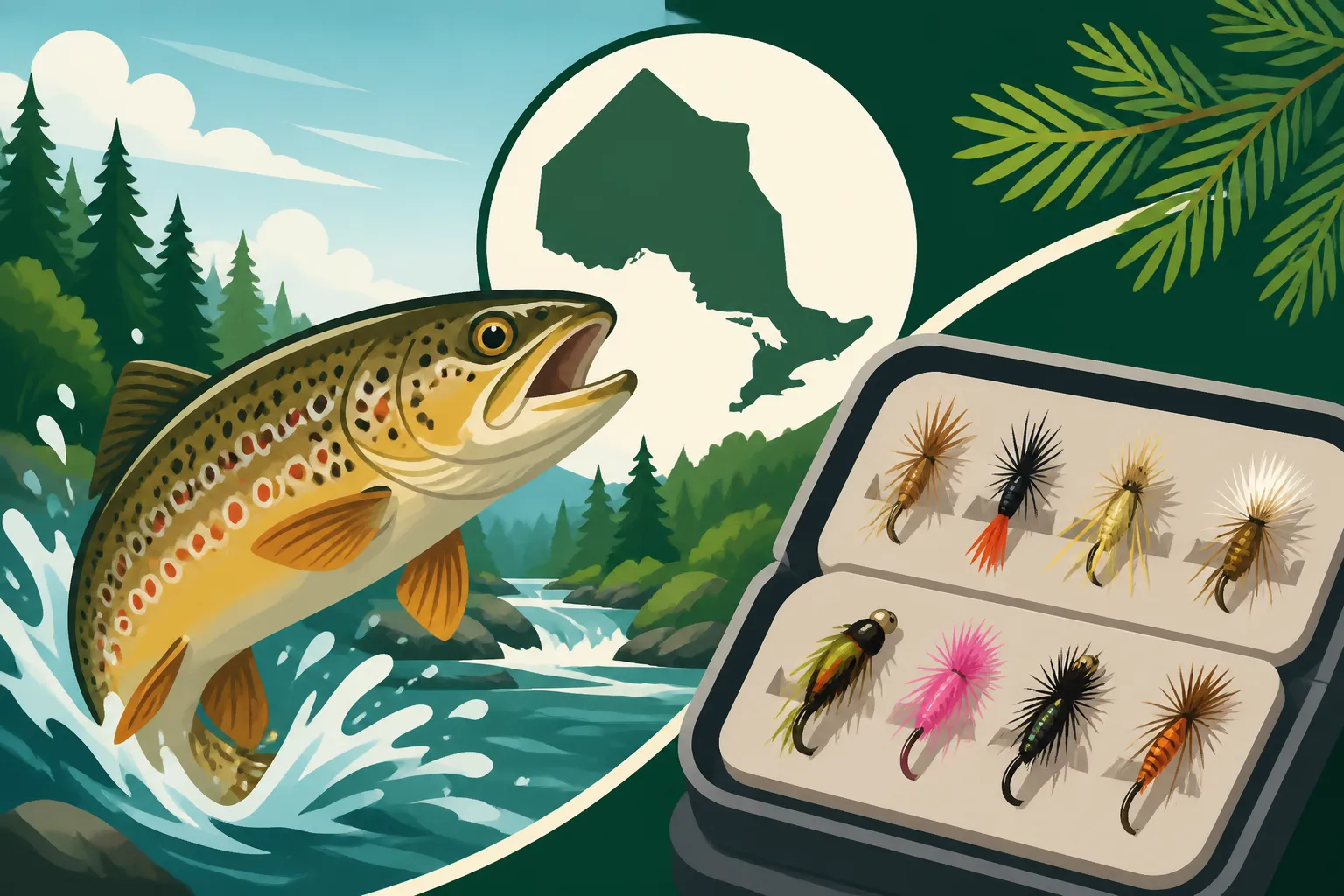
Fly Patterns for Ontario Trout Streams
There's nothing quite like the serene beauty of an Ontario trout stream, casting a line into crystal-clear water, but let's be honest, standing there, staring at a fly box overflowing with tiny, feathery creations can be utterly bewildering. Deciphering which fly pattern to choose when the trout are rising (or not rising!) feels like trying to solve a cryptic puzzle. This comprehensive guide is here to untangle that mystery, offering you practical, realistic advice on the essential fly patterns that consistently fool Ontario's elusive trout.
Understanding Ontario Trout Stream Environments
Before we even dive into specific fly patterns, it's crucial to understand the diverse habitats that our Ontario trout call home. Our province isn't just one big homogenous body of water; we have everything from small, intimate spring creeks to larger, freestone rivers. Each presents unique challenges and opportunities for the fly angler. Knowing the environment helps you anticipate what insects might be present and, consequently, which flies will be most effective.
Diversity of Water Types and Their Impact
Ontario's trout streams are incredibly varied. You'll find cold, limestone-rich spring creeks like those in the upper Grand River system, which maintain stable temperatures year-round and boast an incredible diversity of aquatic insects. These waters often have consistent hatches and require delicate presentations with smaller flies. Then there are the freestone rivers, like sections of the Saugeen or Credit River, which are more susceptible to fluctuations in temperature and water levels due to rain and snowmelt. These rivers often have a broader range of insect life, including larger stoneflies, and can sometimes demand more robust patterns to get through faster currents.
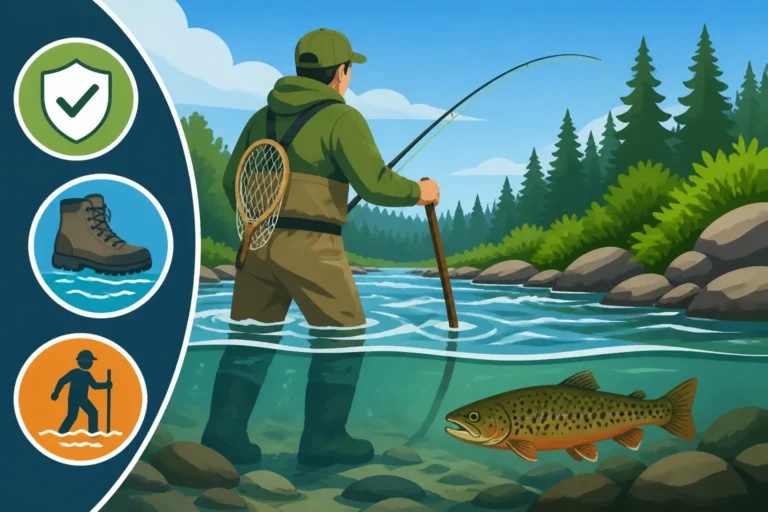
Beyond these, we have countless smaller brooks and streams, often on Crown land, that hold native brook trout. These waters are typically characterized by dense cover, tight casting quarters, and often more simplistic insect populations. The wild trout in these areas can be less selective, but getting a fly to them accurately is the real challenge. The type of water you're fishing directly influences not only the size and species of trout but also the prevalent insect life and, ultimately, the most successful fly patterns. For instance, a small, heavily overgrown creek demands different gear and tactics than a wide-open river, impacting everything from your Best Fly Rods for Ontario Trout Streams to your choice of line.
Key Insect Life Cycles in Ontario
The life cycle of aquatic insects is the heartbeat of fly fishing. Mayflies, caddisflies, and stoneflies—collectively known as "the Big Three"—form the bulk of a trout's diet. Mayflies are known for their distinct upright wings and often delicate emergence patterns. You'll see them as nymphs in the water, emergers struggling to break the surface, duns (adults) floating downstream, and spinners (spent adults) after mating. Caddisflies, on the other hand, are often more erratic in their flight and emergence, sometimes "skittering" across the surface, and their larvae build protective cases. Stoneflies are typically larger, found in well-oxygenated water, and have a more crawling, less graceful emergence.
Beyond these, various terrestrials (land-based insects like ants, grasshoppers, and beetles) become critically important during the warmer months, especially when natural aquatic hatches are sparse or during specific conditions like windy days when bugs are blown into the water. Understanding these life cycles and knowing which ones are active in your chosen stream at a given time is the foundational step to matching the hatch. When you see trout rising, observing how they're feeding – whether gently sipping a spent spinner or splashing aggressively at an emerging caddis – provides invaluable clues to selecting the right imitation.
Essential Dry Fly Patterns for Ontario
Dry fly fishing is arguably the most visually exciting form of fly fishing. There’s something truly magical about watching a trout rise to your perfectly presented imitation on the surface. For success on Ontario trout streams, having a solid selection of dry flies that mimic common insects is non-negotiable.
Mayfly Imitations: The Delicate Eaters
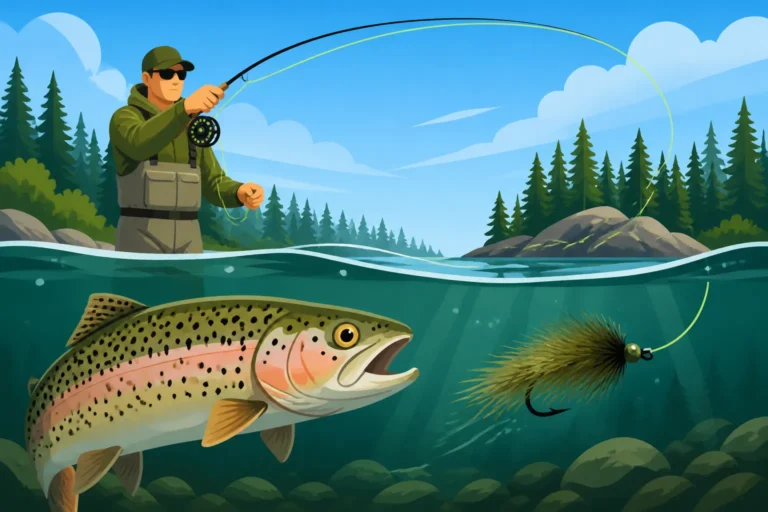
Mayflies are a staple in a trout's diet, and their presence often dictates the activity on the surface. When you see trout gently sipping bugs off the surface, it’s often a mayfly hatch or spinner fall. The most important characteristic here is the delicate presentation. Patterns like the Parachute Adams are absolute workhorses across Ontario. Its parachute hackle allows it to sit low in the water, mimicking a dun struggling to emerge or a spent spinner, and its mixed grey body works for a variety of species and sizes. I always carry a good range of sizes, from a tiny #20 for spring creeks up to a #12 for larger rivers.
Another vital mayfly imitation is the Blue-Winged Olive (BWO). These tiny, dark mayflies hatch prolifically on cloudy or rainy days, particularly in spring and fall. A BWO pattern, usually in sizes #18-22, is critical for those cooler, overcast days when other hatches are scarce. Similarly, the Light Cahill or a Hendrickson pattern (for early season) can be game-changers when trout are specifically keying in on lighter-colored mayflies. The presentation needs to be drag-free, and often the finest tippet you can get away with, like a 6x or 7x, as covered in Best Tippet Size for Stocked Trout, is required to avoid spooking the fish.
Caddisfly Patterns: The Energetic Emergers
Caddisflies are often overlooked in favour of mayflies, but they shouldn't be. Their erratic behaviour, particularly during emergence, can trigger aggressive takes from trout that are less interested in a gentle sip. The Elk Hair Caddis is a cornerstone pattern for any Ontario fly angler. Its bushy elk hair wing and hackle allow it to float well in choppy water and withstand numerous fish. It’s incredibly versatile, mimicking both emerging and adult caddis, and can even be skittered across the surface to imitate an egg-laying female. Sizes #12-18 will cover most situations you encounter across the province.
For something a bit more specific, especially when trout are ignoring traditional dries, patterns like the Godzilla Caddis or a Spent Caddis can be incredibly effective. The Godzilla, with its thicker profile and mixed deer hair, suggests a larger, more active caddis. A Spent Caddis, lying flat on the water, imitates a post-mating adult that has fallen to the surface. These patterns often excel in faster runs or riffles where caddis are prevalent. Don't be afraid to experiment with different sizes and colors, from cream to olive to dark brown, as caddisfly species vary widely. Many anglers stock up on these versatile patterns through retailers like Amazon, ensuring they have a full selection for different conditions.
Terrestrials and Attractor Dries: Opportunity Knocks
Sometimes, trout just aren't interested in the current aquatic hatch, or there simply isn't one. This is where terrestrials and attractor patterns shine. Terrestrials like ants, beetles, and grasshoppers are land-based insects that accidentally fall into the water, providing a substantial, easy meal for a trout. A simple Foam Ant in black or cinnamon, sizes #14-18, can be deadly on warm summer days, especially when fishing close to overhanging banks or wooded areas. Similarly, a Hopper pattern (like a Dave's Hopper or a Chernobyl Ant variation) works wonders in late summer and early fall, particularly on windy days or along grassy banks, giving a substantial meal that even larger trout can't resist.
Attractor patterns, on the other hand, don't necessarily mimic a specific insect but instead trigger a trout's predatory or curious instinct. The Stimulator is a fantastic attractor dry fly, combining elements of a caddis, stonefly, and hopper. Its bushy profile and vibrant colours can draw fish up from surprising depths, especially in faster, oxygenated water. Another classic is the Royal Wulff, with its highly visible white calf tail wing and red/peacock body. These patterns are perfect for searching new water, high-sticking through pocket water, or when you just can't quite "match the hatch." They are often my go-to when I'm exploring new stretches of river or on a more active Dry Fly Fishing Ontario Rivers expedition.
Must-Have Nymph Patterns for Ontario
While the visual aspect of dry fly fishing is captivating, the vast majority of a trout's diet consists of sub-surface insects – nymphs, larvae, and pupae. Therefore, having a strong selection of effective nymph patterns is absolutely crucial for consistent success on Ontario trout streams. Mastering the technique of Euro Nymphing Ontario Trout Streams or simply drift fishing these patterns will greatly increase your catch rate.
General Purpose Nymphs: The Everyday Workhorses
These are the patterns that simply work, day in and day out, regardless of a specific hatch. They represent a broad category of aquatic insects and are designed to be versatile. The Hare's Ear Nymph is a quintessential example. Its buggy, mottled appearance and various shades of brown and grey imitate a wide range of mayfly and caddisfly nymphs. I always carry them in beadhead and non-beadhead versions, in sizes #12-20. The beadhead versions sink quickly, making them ideal for deeper runs, while the non-beadhead can be fished in shallower water or as part of a tandem rig.
Another absolute must-have is the Pheasant Tail Nymph. This pattern, simple yet incredibly effective, imitates slender-bodied mayfly nymphs and can be deadly in clear water. Like the Hare's Ear, it's effective across a broad spectrum of sizes (#12-22) and can be fished under an indicator, on a Euro nymphing rig, or even as a dropper off a dry fly. Both the Hare's Ear and Pheasant Tail are essential for prospecting water when you don't see any surface activity or when you're targeting trout holding in deeper pockets and riffles. They are the bread and butter of subsurface presentations and form the foundation of any good fly box.
Emerger Nymphs: Mimicking the Transition
The "emerger" stage is often the most vulnerable for an aquatic insect, as it transitions from its larval or nymphal form to its adult winged form, rising through the water column to the surface. Trout frequently key in on these struggling insects, making emerger patterns incredibly effective. The Pulsating Caddis Emerger or a simple Soft Hackle can be devastating during a caddisfly hatch. The soft hackle often breathes and moves in the current, giving it a lifelike quality that trout can't resist. Fishing these just below the surface, or even swung on a short line, can replicate the erratic movement of emerging caddis.
For mayfly emergences, patterns like the Barr's Emerger or the LaFontaine's Sparkle Pupa are fantastic. These patterns typically incorporate a trailing shuck or a bit of antron yarn to imitate the insect shedding its nymphal skin, a key trigger for feeding trout. The trick with emergers is often to fish them shallow, just under the surface film, sometimes with a very slight twitch to mimic their struggle. When trout are rising but refusing dry flies, it's a strong indicator they're feeding on emergers, making these patterns an absolute necessity in your fly selection.
Stonefly Nymphs: Big Meals for Big Fish
If you're looking for a pattern that can entice larger trout, especially in faster, well-oxygenated rivers, look no further than stonefly nymphs. These are substantial insects, representing a high-calorie meal for a discerning trout. While not as universally present as mayflies or caddis, where stoneflies exist, they are a primary food source. The Pat's Rubber Legs has become an incredibly popular and effective stonefly imitation. Its rubber legs provide fantastic movement in the water, and its chenille body gives it a bulky profile that suggests a large meal. I use them in black, brown, or olive, often in sizes #6-12, heavily weighted to get down to where the big fish hide.
Another classic is the Prince Nymph. While it can imitate a variety of insects, its dark body, white biot wings, and peacock herl make it a fantastic general stonefly imitation, particularly effective in sizes #10-14. Stonefly nymphs are often fished tight to the bottom, bumped along the substrate, or used as the lead fly in a two-nymph rig to help get other, lighter patterns down to the strike zone. When fishing larger rivers like parts of the Grand or the Saugeen, especially in the cooler months, having a few different stonefly patterns in your Best Fly Boxes for Trout Streams is just good sense.
Effective Streamer Patterns for Ontario
Sometimes, trout aren't interested in tiny insects. They're predatory, and when they're in the mood, they want a big, juicy meal. This is where streamer patterns come into play. Streamers imitate baitfish, leeches, sculpins, or even larger aquatic invertebrates, and they can elicit incredibly aggressive strikes, often from the biggest fish in the river.
Minnow and Baitfish Imitations: Predatory Instincts
Ontario's trout, especially larger brown trout and even aggressive brook trout, actively feed on smaller fish. Mimicking these baitfish can be incredibly effective, particularly in larger rivers or when water levels are slightly elevated and murky. The Woolly Bugger is arguably the most versatile and widely used streamer pattern in existence, and for good reason. Its marabou tail and hackled body give it incredible movement in the water, suggesting a leech or a struggling minnow. I carry them in black, olive, brown, and white, in sizes #4-12, often with a beadhead or conehead to help them sink. You can strip them, swing them, or even dead-drift them – they simply catch fish.
Another excellent minnow imitation is the Clouser Minnow, particularly the "Half-and-Half" variant. While often associated with saltwater, its weighted eyes and bucktail profile make it deadly for trout looking for baitfish. Colors like white and olive, or chartreuse and white, are very effective. The key to fishing baitfish imitations is imparting life into the fly with your retrieve. Short, sharp strips, pauses, and variations in speed can often trigger a reaction strike from a territorial trout. This is often the pattern I reach for when I'm specifically targeting Streamer patterns for Ontario brown trout in a larger system.
Sculpin Patterns: Bottom Dwellers' Delights
Sculpins are small, bottom-dwelling fish found in many Ontario trout streams. They're often overlooked by anglers, but trout absolutely gorge on them when given the chance. Their camouflaged, bulbous bodies and large pectoral fins make them a distinctive profile that requires specific imitations. Patterns like the Muddler Minnow, particularly in its classic deer hair head form, is a superb sculpin imitation. Its spun deer hair head pushes water, giving it a lifelike action, and its mottled brown and olive colours blend in perfectly. Sizes #6-10 are great for imitating larger sculpins.
More modern sculpin patterns, such as the Sculpzilla or the Dolly Llama, incorporate heavy weighting, rubber legs, and often zonker strips to give them maximum movement and sink rate. These are fantastic for fishing deep pools, undercuts, and along rocky bottoms where sculpins hide. The retrieve for sculpin patterns should mimic their darting, scurrying movements – short strips followed by pauses, allowing the fly to settle back to the bottom. Don't be surprised if the take is aggressive; trout know what a valuable meal a sculpin represents.
Seasonal Fly Selection Strategies
The calendar year in Ontario dictates a lot about insect activity and, therefore, trout feeding patterns. What works like magic in spring might get you zero bites in late summer. Adapting your fly selection to the season is a critical skill for any successful fly angler.
Spring: High Water and Early Hatches
Spring in Ontario means rising water levels from snowmelt and often cooler temperatures. This can be a challenging but rewarding time to fish. The key is often to get your flies deep and use patterns that are easily visible in stained water. Larger stonefly nymphs, like the Pat's Rubber Legs, are excellent choices, as are heavy Pheasant Tail Nymphs. The cold water means trout are often lethargic, so a slower, more deliberate retrieve or dead drift is usually best.
As the water warms slightly and flow begins to stabilize, the first significant hatches of the year begin. Early black stoneflies, various species of Blue-Winged Olives, and early caddisflies start to emerge. Having small BWO dry flies (sizes #18-22) and Elk Hair Caddis (sizes #14-18) becomes crucial. Don't forget emerger patterns like Barr's Emergers or Pulsating Caddis as trout often feed on these just below the surface during a hatch. Streamers like the Woolly Bugger in black or olive can also be incredibly effective, especially after a rain event when water is slightly off-colour, as trout will be opportunistic feeders.
Summer: Terrestrials and Low Water Challenges
Summer brings warmer weather, generally lower and clearer water, and sometimes fewer significant aquatic insect hatches during the middle of the day. This is prime time for terrestrials. Foam Ants, Beetles, and Hopper patterns become incredibly important, especially when fishing near grassy banks or areas with overhanging trees. Often, the biggest trout will be holding under cover, waiting for a terrestrial to fall in. Light Cahill or Sulphur mayfly imitations may also become important, especially in the evenings when specific hatches occur.
The low, clear water also means trout are warier. You'll need longer, finer leaders (e.g., 6x or 7x tippet) and more delicate presentations. Small nymphs like the Pheasant Tail or even tiny midge patterns (sizes #20-26) can be very effective when trout are spooky and selectively feeding. For deep water, where trout seek refuge from the heat, try heavy nymph rigs or even small, dark streamers fished very slowly along the bottom. Remember that during peak summer heat, often the best fishing is found early in the morning or late in the evening when temperatures are cooler. This is also when conditions are often ideal for Wading Techniques for Ontario Trout Streams in comfort.
Fall: Aggressive Feeding and Spawning Colors
Fall is, for many, the pinnacle of trout fishing in Ontario. Temperatures cool, often triggering aggressive feeding behaviour as trout bulk up for winter, and some species, like brown trout, begin their spawning rituals. This means a fantastic mix of fly opportunities. Terrestrials are still relevant, especially grasshoppers and beetles, through early fall. As water temperatures continue to drop, larger mayflies, like Isonychia or Hexagenia (if present), and robust caddisfly hatches can occur, making larger dry flies and emergers effective.
Streamers truly shine in the fall, particularly for brown trout. They become incredibly aggressive and territorial, making them susceptible to larger baitfish and sculpin imitations. Woolly Buggers, Clouser Minnows, and Sculpzilla patterns in olive, black, brown, or even white can trigger violent strikes. For spawning brown trout, though remember to respect their spawning beds, patterns with a touch of orange or red can sometimes elicit a territorial response, mimicking eggs. Fall is a time for variety, so be prepared with a diverse fly box ranging from small nymphs to large streamers. Anglers often find the best selection of specialty materials for tying these patterns or ready-made flies on platforms like Amazon.
Matching the Hatch: Beyond the Basics
"Matching the hatch" is often spoken of as the holy grail of fly fishing, and for good reason. It’s about presenting a fly that perfectly imitates what the trout are actively feeding on. But it's more than just knowing a few patterns; it's a keen eye for observation and an understanding of trout behavior.
Reading the Water and Observing Insects
The first step to matching the hatch is to slow down and observe. Don't just cast blindly. When you arrive at an Ontario fishing rules on Crown land lakes or a river, take 10-15 minutes to simply watch the water. Are there any rises? If so, how are the trout rising? A gentle dimple suggests a slow-moving dun or a spent spinner, while an aggressive splash might indicate an emerger or caddis. Look for actual insects on the water. Pick up rocks from the stream bed to see what nymphs are crawling around. Check spiderwebs and streamside vegetation for adults. This reconnaissance is invaluable.
If you don't see any surface activity, consider what the season and water conditions suggest. High, murky water? Go for larger, heavier nymphs or streamers. Low, clear water? Think smaller, more delicate nymphs or terrestrials. The idea is to gather as much information as possible before making your first cast. Understanding current flow, seam lines, riffles, and pools will also tell you where trout are likely holding.
Size, Profile, and Color Considerations
Once you've identified a potential insect, the next challenge is choosing the right imitation. This isn't just about the species; it's about the three critical elements: size, profile, and color.
- Size: This is often the most important factor. If trout are feeding on tiny #20 BWOs, a #14 Elk Hair Caddis will likely be ignored. Carry a wide range of sizes for your key patterns. If in doubt, go slightly smaller. It’s a common frustration to have the right type of fly, but the wrong size.
- Profile: How does the fly look from a trout's perspective beneath the surface? Is it slender like a mayfly nymph or bulky like a stonefly? Does it have upright wings, or does it lie flat on the water like a spent spinner? The silhouette of your fly can be just as important as its exact colour. This means choosing between parachute, standard upright, or compara-dun styles for your mayfly imitations.
- Color: While often debated, color can certainly play a role, especially in clear water or during a heavy hatch. Try to match the dominant colour of the natural insect, but don't obsess over it. Subtle variations can be effective. Sometimes, a slightly different shade can stand out just enough to pique a trout's interest without making it look unnatural.
Adjusting Your Approach for Success
Matching the hatch isn't a static decision; it's an ongoing process. You might start with what you think is the right pattern, but if you're not getting bites, you need to adjust.
- Change Presentation: Is your dry fly dragging? Is your nymph not getting deep enough? Sometimes, it's not the fly, but how you're presenting it. Work on your casting accuracy, mend your line to prevent drag, and adjust your leader setup.
- Change Size: If you have the right pattern but no takes, try going one or two sizes smaller. Or, if fish are ignoring small patterns, try a larger attractor.
- Change Color: A subtle shift in body colour or wing colour might make all the difference.
- Change Pattern Type: If dry flies aren't working, switch to nymphs. If nymphs aren't working, try an emerger or even a small streamer. Trout can be incredibly finicky and switch their feeding preferences throughout the day or even within minutes. Be observant, be patient, and be willing to experiment. You might find that a change in your Best wading boots with felt vs rubber soles could give you the stability to get to a better casting position.
The joy of fly fishing in Ontario is in the continuous learning and adaptation. With a solid understanding of these essential fly patterns and the strategies to deploy them, you'll be well on your way to more successful and deeply satisfying days on our beautiful trout streams. Remember to bring a good Best landing net for trout for those well-earned catches!
| Fly Pattern | Type (Imitation) | Best Seasons | Key Conditions | Optimal Sizes |
|---|---|---|---|---|
| Parachute Adams | Mayfly (Dun/Spinner) | All | General purpose, delicate risers, clear water | #12-20 |
| Elk Hair Caddis | Caddisfly (Adult/Emerger) | All | Fast water, erratic risers, searching | #12-18 |
| Pheasant Tail Nymph | Mayfly (Nymph) | All | General purpose, clear water, slow drifts | #12-22 |
| Hare's Ear Nymph | Mayfly/Caddis (Nymph) | All | General purpose, prospecting, deeper water | #12-20 |
| Woolly Bugger | Leech/Baitfish/Sculpin (Streamer) | All | Aggressive feeders, high water, prospecting | #4-12 |
| Pat's Rubber Legs | Stonefly (Nymph) | Spring, Fall | Deep water, fast currents, larger trout | #6-12 |
| Foam Ant | Ant (Terrestrial) | Summer | Low clear water, near bank, selective risers | #14-18 |
| Blue-Winged Olive | Mayfly (Dun/Spinner) | Spring, Fall | Cloudy/rainy days, specific hatches | #18-22 |
| Stimulator | Attractor/Caddis/Stonefly | Summer, Fall | Searching, pocket water, aggressive takes | #8-16 |
| Barr's Emerger | Mayfly (Emerger) | All | Fish rising but refusing dries | #14-20 |
Disclaimer
The information provided in this guide is for general informational purposes only. Fishing regulations, seasons, and licensing requirements in Ontario are subject to change. Always consult the most current Ontario Fishing Regulations Summary, available from the Ontario Ministry of Natural Resources and Forestry (MNRF) or ServiceOntario, before heading out. Ensure you have the appropriate Ontario Fishing License Guide for 2026 and understand all specific rules for the zone you are fishing in. Your safety and adherence to regulations are your responsibility.