Best cooler size for a day on Lake Simcoe
Oh, the age-old dilemma of packing for a day on Lake Simcoe! You're standing there, contemplating your cooler options, and a thousand questions race through your mind: Is this monster too big for the boat? Will this little guy even hold enough snacks and drinks for the kids, let alone my catch? It’s a real headache, isn't it? Choosing the right cooler for a day out on Lake Simcoe isn't just about throwing ice in a box; it's about comfort, convenience, and making sure your hard-earned lunch (or even harder-earned fish!) stays perfectly chilled. This guide is here to walk you through everything you need to consider to pick the absolute best cooler size for your Lake Simcoe adventures.
Why Cooler Size Truly Matters on Lake Simcoe
When you’re planning a trip to one of Ontario's most beloved lakes, whether you’re chasing jumbo perch, targeting a trophy walleye, or simply enjoying the scenery, your cooler is more than just a container; it's a vital piece of your gear. The wrong size can lead to frustration, wasted space, or worse – warm drinks and spoiled snacks. Nobody wants that!
Efficiency and Space Management
Imagine you're launching your boat at a busy ramp, maybe at Orillia or further north, and you've got a massive cooler taking up half the deck, even though it's just you and a buddy. Not only is it a literal pain to load and unload, but it also reduces your maneuverability and valuable fishing space. On the flip side, a tiny cooler for a family of four means constant refilling, or worse, someone going without a cold drink on a hot summer day. Lake Simcoe, with its diverse fishing opportunities and popular recreational areas, demands smart packing. You want a cooler that fits neatly into your boat's storage, kayak, or even just beside your chair on the shore without being an obstacle. This efficiency extends to fuel economy in a boat, or paddle effort in a kayak – less unnecessary weight and bulk is always a win.
Temperature Retention and Contents Protection
The size of your cooler directly impacts how well it can keep its contents cold. A cooler that's too large for the amount of ice and items inside will have more empty air space. This empty space actually works against you, making it harder for the cooler to maintain a consistent cold temperature because there's more air to cool and more air to lose cold through. Conversely, a cooler that's crammed full with no room for proper ice distribution won't perform optimally either. For those glorious summer days on Lake Simcoe, especially if you're out from dawn until dusk, having a cooler that can keep your sandwiches fresh and your soda frosty is non-negotiable. And if you're planning on keeping any fish, proper cooling is critical for preserving their quality.
Factors to Consider When Choosing Your Cooler
Before you even think about brand names or fancy features, let's break down the practical considerations that will guide you to the perfect cooler size for your Lake Simcoe day trip.
Duration of Your Trip
Are you heading out for a quick couple of hours in the morning, or are you planning an all-day epic fishing adventure from sunrise to sunset? A quick trip might only need a small personal cooler for a drink and a sandwich. But if you're committed to a full day, especially during the warmer months, you'll need significantly more capacity for provisions and ice. Think about how many times you'll open the cooler; each opening allows cold air out and warm air in, impacting how long your ice lasts. For an extended outing, a larger cooler with ample ice capacity becomes much more important, perhaps even considering a second, smaller cooler for frequently accessed drinks.
Number of People
This is often the most obvious factor, but it’s worth dwelling on. A solo angler has very different needs than a family of four or a group of fishing buddies. Each person generally needs their own drinks, plus shared snacks and potentially lunch.
- Solo Angler: You might get away with a compact 10-15 quart cooler, perfect for a couple of drinks and a snack or two. You’ll appreciate the lightweight portability as you move around the boat or shore.
- Pair (Two People): Jump up to a 20-30 quart size. This provides enough space for both of your lunches, several drinks each, and maybe even a small bag of chips or some fruit. This size is manageable for most smaller boats or kayaks.
- Small Family/Group (3-4 People): Now you're looking at a 35-50 quart cooler. This is typically the sweet spot for many recreational day-trippers on Lake Simcoe. It can comfortably hold a picnic lunch for everyone, plenty of hydration, and still have room for some ice.
- Larger Group (5+ People) or Boat Parties: For larger gatherings, especially if you plan to share food and drinks, you might need a 60-70+ quart cooler, or even two smaller ones. Two coolers can sometimes be more versatile – one for drinks (frequently accessed) and one for food (less frequently accessed).
Types of Items You'll Store
What exactly are you planning to put in your cooler? This makes a huge difference.
- Drinks Only: Cans and bottles are relatively space-efficient. You can pack a surprising number into a mid-sized cooler, especially if you stack them strategically with ice.
- Food and Drinks: This usually requires more thought. Sandwiches, salads, fruit, and other meal items can take up more bulk and often need to be kept separate or protected from melting ice. Consider using re-usable containers to prevent soggy lunches. If you’re planning a shore lunch, you might also be carrying raw ingredients that need careful chilling.
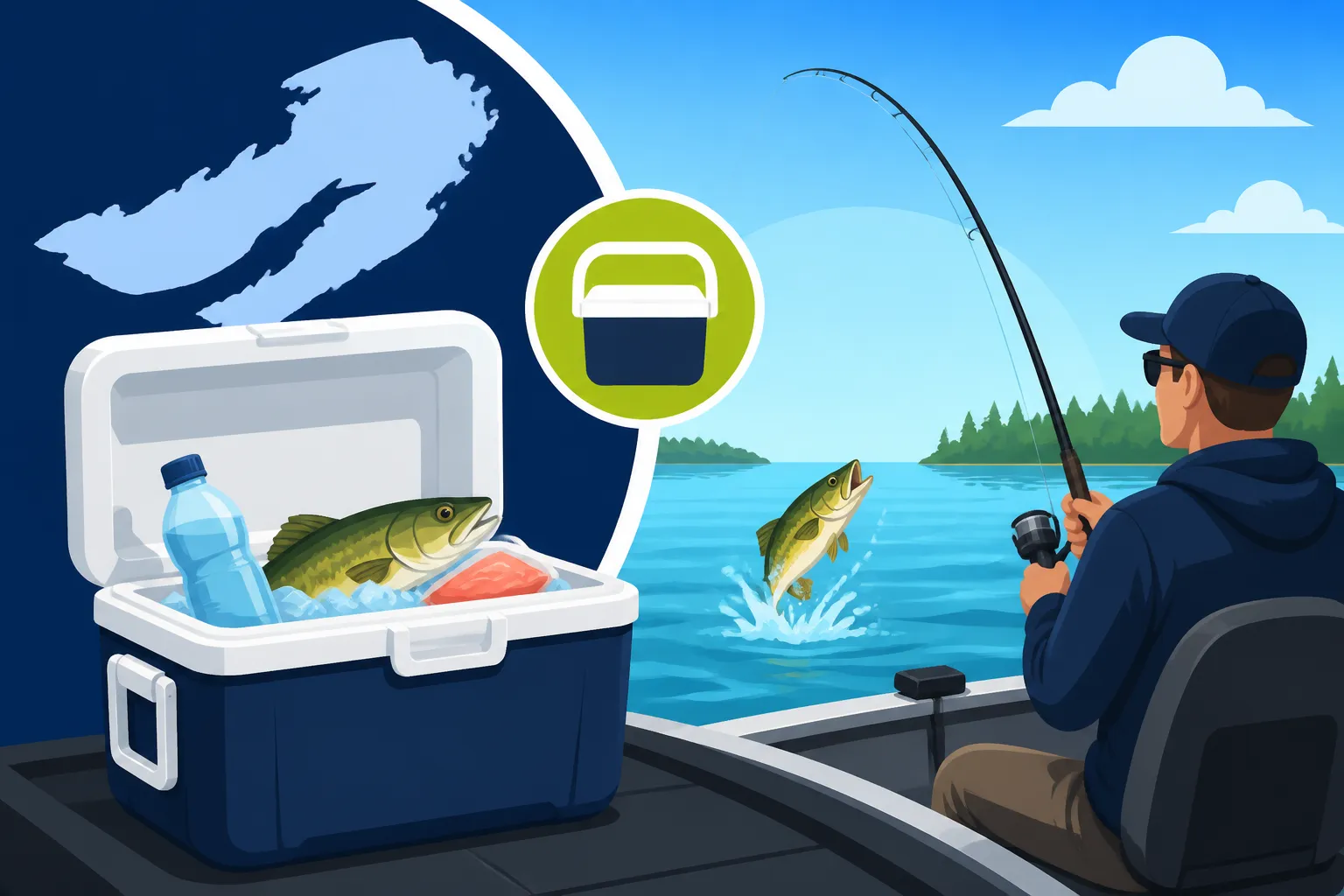
- Keeping Your Catch: If you're serious about fishing on Lake Simcoe and plan to keep your Ontario Walleye Opener Dates by Zone catches for dinner, you'll need dedicated space. Fish need to be submerged in an ice slurry for optimal preservation. This means you'll need significantly more cooler volume for the fish and the ice compared to just drinks. A 30-quart cooler might hold a few perch, but a good day of walleye fishing could easily fill a 50-quart or larger cooler. Remember to account for the size of the fish and the amount of ice needed around them.
Available Space in Your Boat or Vehicle
This is a purely practical constraint. A huge cooler is useless if it doesn't fit in your vessel.
- Kayak or Canoe: Space is extremely limited. You'll likely need a compact, low-profile cooler, perhaps a 10-25 quart model, or even a soft-sided cooler. Portability and how it balances in your craft are key. Many kayak anglers opt for a cooler that doubles as a seat.
- Small Fishing Boat (e.g., 14-16 ft aluminum): These boats often have limited open floor space. A 35-50 quart cooler is usually the maximum you can comfortably fit without tripping over it. Consider models that fit under seats or into specific storage compartments.
- Larger Fishing Boats (e.g., Bass Boats, Runabouts): You'll have more flexibility. Many larger boats have built-in cooler compartments, or ample deck space for larger, rotomolded coolers up to 70+ quarts. Even then, think about where it will sit and if it interferes with casting or movement. You can find excellent options for Best Fishing Boats for Georgian Bay that will also work wonderfully for Lake Simcoe.
- Shore Fishing / Day Camp: If you’re just enjoying the Best Shore Fishing Spots in Ontario around Lake Simcoe, your vehicle's trunk space is your only real limit. Here, you have the most freedom to go bigger if your needs demand it.
Common Cooler Sizes and Their Ideal Use Cases for Lake Simcoe
Let's break down the typical cooler sizes you'll encounter and how they translate to your Lake Simcoe outings. Remember, these are general guidelines, and capacity can vary slightly between brands.
| Cooler Size (Quarts) | Approximate Can Capacity | Best Use Case for Lake Simcoe | Considerations |
|---|---|---|---|
| 10-15 | 8-15 cans | Solo Angler, Short Trip (2-4 hrs) | Perfect for personal drinks/snacks. Lightweight. Often carried by hand or in a small kayak. |
| 20-25 | 15-25 cans | Solo/Pair, Half-Day Trip (4-6 hrs) | Good for two people with drinks/lunches. Fits in smaller boats, often used as a seat. |
| 30-35 | 25-35 cans | Pair/Small Family, Full Day (6-8 hrs) | A popular choice for couples or small families. Can hold drinks, food, and a few panfish. |
| 45-50 | 35-50 cans | Small Family/Group, Full Day + Catch | Versatile. Great for general family outings, good for keeping a decent fishing limit cold. |
| 60-75 | 50-70 cans | Larger Group/Serious Anglers, All Day | Ample space for large groups or anglers keeping a substantial amount of fish. Requires more space. |
| 90+ | 80+ cans | Extended Trips/Big Groups/Pro Anglers | Generally too large for a typical day trip. Better for multi-day excursions or significant fish storage. |
The "Sweet Spot" for Most Lake Simcoe Day Trips
For the average angler or small family heading out for a full day on Lake Simcoe, a cooler in the 30-50 quart range often hits the sweet spot.
- A 35-quart cooler is remarkably versatile. It's big enough to hold drinks for 2-3 people, a packed lunch, and maybe even a few keeper perch or crappie you might catch. It's still manageable to carry and fits well in most recreational fishing boats or even a larger tandem kayak. For instance, a Yeti Roadie or similar robust cooler in this size can handle a lot. You might find a good selection of these at Bass Pro Shops.
- Stepping up to a 45-50 quart cooler gives you that extra breathing room. This is fantastic if you're bringing more substantial meals, have an extra person joining, or really anticipate a good day of catching fish like the abundant Yellow Perch in Lake Erie and Lake Simcoe. This size allows you to pack more ice, which directly translates to longer ice retention, especially if you’re fishing in the hot summer sun. Think about how much ice you want to bring – more ice means more sustained cold, but also less room for other items.
When to Consider Smaller or Larger
- The "Personal" Cooler (10-20 quarts): Don't underestimate the power of a small, personal cooler. If it's just you, and you really just need a few cold drinks and a quick snack, these are fantastic. They're easy to tuck away, don't add much weight, and are perfect for quick runs or pairing with a larger cooler that holds your catch. This is ideal if you’re taking a solo kayak fishing trip.
- The "Serious Catch" Cooler (60+ quarts): If your goal is primarily to fill your limit of walleye or northern pike on Lake Simcoe, especially if you're taking advantage of the Ontario Family Fishing Weekend Dates with multiple anglers, then a larger cooler becomes essential. You'll need sufficient space to layer fish with plenty of ice to quickly bring their temperature down and keep it there. Some anglers even use two coolers for this scenario: a smaller one for drinks and snacks, and a large, dedicated fish cooler.
Tips for Maximizing Cooler Performance (Beyond Just Size)
Once you've nailed down the right size, there are a few tricks to make sure your cooler works its absolute best, no matter if you snagged it from Bass Pro Shops or found a great deal on Amazon.
Pre-Chill Your Cooler
This is a game-changer! An empty, room-temperature cooler will melt your ice much faster as it tries to cool down the plastic walls. The night before your trip, throw a bag of cheap ice or some frozen water bottles into your cooler and close the lid. Let it sit overnight. In the morning, dump that sacrificial ice (or save the frozen bottles for later) and then pack your fresh ice and contents into an already cold cooler. This simple step can add hours, if not a full day, to your ice retention.
Use the Right Type of Ice
Not all ice is created equal for coolers!
- Block Ice: This is your absolute best friend for long-lasting cold. A large block of ice melts much slower than the same volume in cubes because it has less surface area exposed to the air. If you can't find block ice, consider freezing large plastic bottles of water or milk jugs. These not only provide long-lasting cold but also give you drinkable water as they melt.
- Ice Cubes: Great for filling gaps and quickly cooling down items, but they melt faster. A good strategy is to use block ice on the bottom, then layer your items with cubes around them.
- Ice Packs/Gel Packs: These are excellent for pre-chilling or keeping food items dry, as they don't produce meltwater. They can also supplement your regular ice.
Pack It Properly
Strategic packing is key to a well-performing cooler.
- Bottom Layer: Start with a layer of block ice.
- Middle Layer: Place your coldest items (e.g., raw meat for a shore lunch, fish you've caught) directly on or very near the ice. Then add other items. Try to pack it as full as possible, minimizing air space.
- Top Layer: Finish with another layer of ice or ice packs, as cold sinks.
- Heavy Items: If possible, place heavier items at the bottom.
- Frequently Accessed Items: Keep drinks and snacks that will be accessed often near the top or in a separate, smaller cooler to reduce how often the main cooler is opened. This helps keep the core items colder for longer.
Location, Location, Location
Where you keep your cooler on the boat or shore makes a difference. Try to keep it out of direct sunlight. Even high-end coolers struggle to maintain ice when constantly baked by the sun. If you can, place it under a boat console, beneath an awning, or cover it with a towel. On shore, find a shaded spot. Reducing its exposure to external heat is crucial.
Internal Links
To help you plan your next Ontario fishing adventure, check out these related articles:
- Lake Simcoe Fishing Guide
- Best Fishing Lakes in Ontario
- Ontario Walleye Opener Dates by Zone
- Ontario Bag and Possession Limits by Species
- Best Ice Fishing Lakes in Ontario
- Best Kayak Fishing Spots in Ontario
- Best Tackle Box Setup for Ontario Anglers
- Best Time of Year to Fish in Ontario
- Walleye Fishing in Ontario
- Yellow Perch Fishing in Ontario
- Printing or Carrying a Digital Fishing License in Ontario
- Best Fishing Rods for Ontario Lakes
Disclaimer
This article is for general informational purposes only and does not constitute professional advice. Laws, prices and regulations vary by location and change over time. Consult a qualified professional for guidance on your specific situation.