Best Techniques for Muskie on Georgian Bay
Georgian Bay fishing for muskellunge, or muskie as we affectionately call them, can be one of the most exhilarating, yet equally frustrating, experiences an angler can have. This massive, intricate body of water holds some truly monumental fish, but finding and enticing these elusive predators is a challenge that tests even the most seasoned fisher. If you're tired of endlessly casting without a follow or feeling overwhelmed by the sheer scale of the bay, this comprehensive guide is for you. We're going to break down the best techniques, gear, and strategies to help you conquer the Georgian Bay muskie bite and finally put one of these incredible fish in your net.
Understanding Georgian Bay Muskie Dynamics
Georgian Bay isn't just a big lake; it's a labyrinth of islands, shoals, bays, and deep channels. This complex underwater landscape directly influences how muskie behave and where they choose to live. Knowing these dynamics is the first step to unlocking their secrets.
The Unique Challenge of Georgian Bay
Fishing Georgian Bay feels like tackling an ocean. With its thousands of islands, treacherous shoals, and vast stretches of open water, it can be incredibly intimidating. Unlike smaller, more predictable lakes, Georgian Bay demands a deep understanding of its diverse structure. The sheer size means muskie can spread out, making them harder to locate. You're not just fishing for muskie; you're often searching for them across an entire marine ecosystem. The changing weather, strong winds, and sudden storms also add layers of complexity, requiring constant vigilance and adaptability from anglers. It’s not uncommon to spend days without a single strike, only to have a flurry of activity when conditions align perfectly. This constant push-and-pull is what makes Georgian Bay such a rewarding, albeit challenging, muskie fishery.
Muskie Habits and Habitat in the Bay
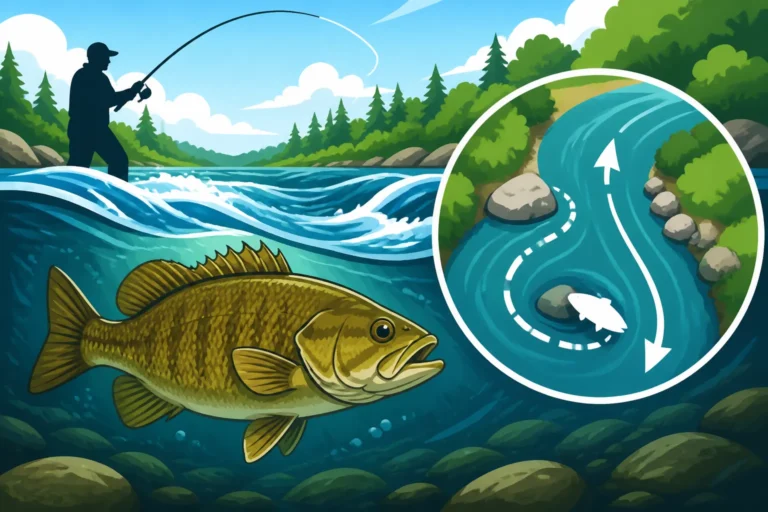
Muskellunge are apex predators, and their habits in Georgian Bay are heavily influenced by the availability of forage and suitable ambush points. They are notorious for being creatures of habit, often patrolling specific ambush zones within their larger territories. In the clear waters of Georgian Bay, muskie prefer areas where they can blend in and ambush unsuspecting prey. This includes rocky points, weed edges (especially sparse cabbage beds), submerged timber, and the deep edges of drop-offs. Their diet here is diverse, encompassing everything from cisco and perch to suckers and even smaller pike. Understanding what they're eating and where those baitfish congregate is key. For a deeper dive into their behaviour, our guide on Muskellunge Habits in Georgian Bay offers valuable insights. Remember, muskie aren't just looking for food; they're looking for an easy meal, which means they'll position themselves where baitfish are vulnerable.
Recognizing Prime Muskie Structure
Georgian Bay is defined by its rock. Granite outcroppings, boulder fields, and underwater shoals are everywhere, providing perfect habitat for muskie. Look for transitions in bottom content – where rock meets sand, or where sparse weeds grow amidst boulders. Islands, particularly those with deep water access on one side and shallow flats on the other, are classic muskie magnets. Points that jut out into deeper water, especially those exposed to current or wind, are also prime targets. Don't overlook submerged timber, old cribs, or even isolated weed patches in otherwise barren areas; these can hold significant fish. Learning to read your electronics to identify these subtle changes, as well as using reliable charts, will give you a significant advantage in such a vast and complex fishery. Consider areas where different types of structure converge, such as a rocky point that also features a healthy weed line extending into a deep drop-off. These convergence zones are often muskie highways.
Essential Gear for Georgian Bay Muskie Fishing
When it comes to muskie fishing on Georgian Bay, "heavy-duty" is the operative term. These fish are absolute powerhouses, and they demand tackle that can stand up to their immense strength and the rigorous demands of relentless casting and fighting. Skimping on gear here is a recipe for heartbreak.
Rods, Reels, and Line Choices
Forget your bass gear; muskie fishing requires specialized heavy-action equipment. For rods, you'll want something long and stout, typically 8'6" to 9'6" in length, with a heavy power rating and a fast or moderate-fast action. This length gives you leverage for long casts, powerful hooksets, and control during the fight. Brands like St. Croix, Shimano, and Daiwa make excellent muskie-specific rods that can withstand the abuse. When you're ready to upgrade your arsenal, check out options like the St. Croix Legend Tournament Musky rods, often available through retailers like Amazon, offering a good balance of sensitivity and brute strength.
Pair these rods with robust baitcasting reels, sized 300 to 500, with a strong drag system and a high line capacity. Look for reels with a gear ratio that offers a good retrieve rate for bucktails (e.g., 6.4:1) but still has enough torque for larger, deeper-diving baits. Shimano Tranx and Daiwa Lexa series are popular choices. As for line, braided line is non-negotiable. It has zero stretch, offering maximum sensitivity and direct power transfer. Spool up with 80-100 lb test braid; anything less can lead to break-offs, especially around Georgian Bay's rocky structure. Always tie a heavy fluorocarbon or wire leader (150-200 lb test, 12-18 inches long) to your braid using a strong knot like a Surgeon's knot or an Albright knot. This leader is crucial for abrasion resistance against their razor-sharp teeth and protection against the harsh environment. You can learn more about selecting the right setup in our guide on Best Muskie Gear for Ontario Waters.
Lures: Bucktails, Crankbaits, and Glide Baits
Georgian Bay muskie eat big baits, and you need a diverse arsenal to cover all conditions and depths.
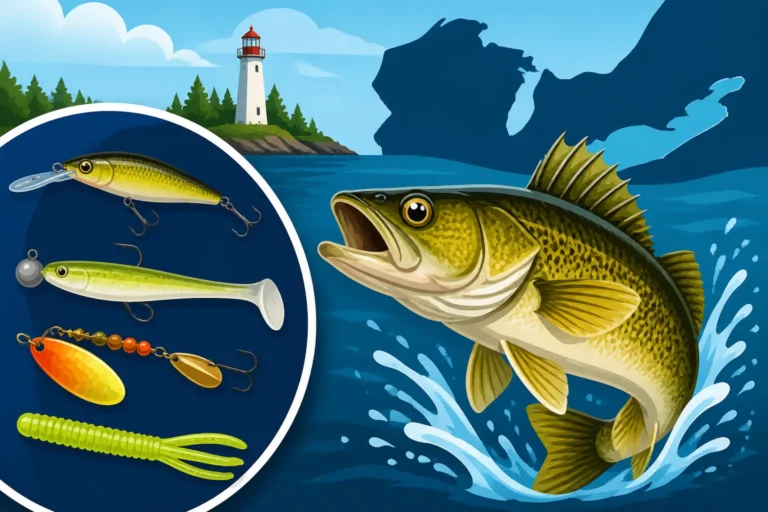
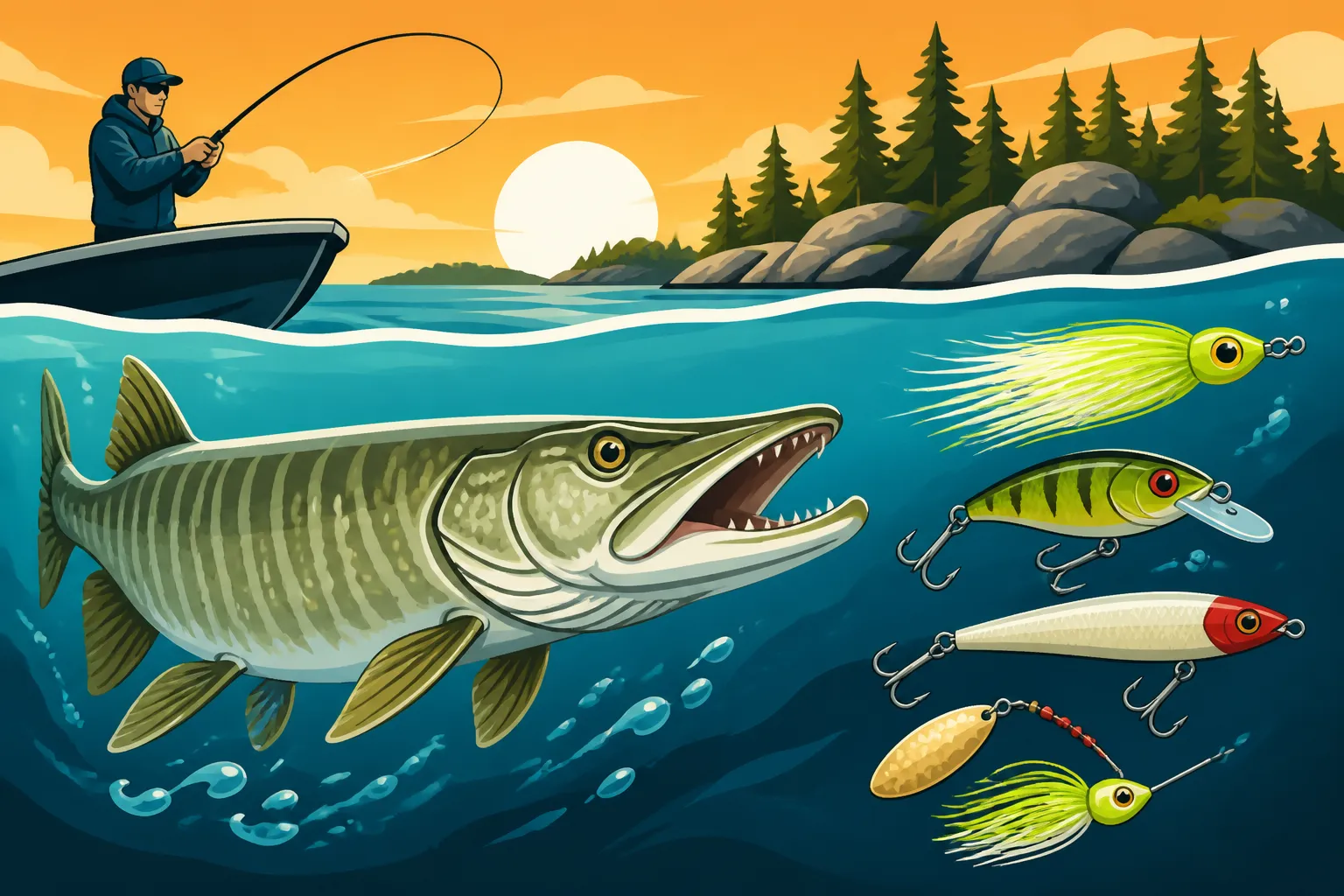
- Bucktails: These are arguably the most iconic muskie lures. Double-bladed bucktails, often referred to as "double 10s" or "double 12s" (referring to blade size), are incredibly effective for covering water and triggering aggressive strikes. Brands like Musky Mayhem Tackle and Livingston Lures offer a fantastic selection. The flash and vibration are irresistible, especially in stained or choppy water. Retrieve them with a steady, fast pace, occasionally pausing or ripping them to change the action.
- Crankbaits: Deep-diving crankbaits are essential for targeting muskie holding on structure or suspended in deeper water. Look for models that dive 10-30+ feet, like the popular Grandma and Depth Raider series from Drifter Tackle, or the Bucher DepthRaider. These are great for trolling vast areas or casting over specific drop-offs. Shallow-running crankbaits are also vital for fishing over weed flats and shallow rock reefs.
- Glide Baits: These lures require a specific retrieve, twitching them to "glide" from side to side, mimicking an injured baitfish. They can be incredibly effective when muskie are finicky or following but not committing. Common choices include the Salmo Slider and Hellhound. Glide baits are fantastic for working specific pieces of structure thoroughly.
- Topwater Lures: During low light conditions or over shallow weed beds, topwater baits can provide explosive, heart-stopping strikes. Walk-the-dog style baits or prop baits like the Whopper Plopper or Bucher TopRaider can be deadly.
- Soft Plastics: Large swimbaits and soft jerkbaits, rigged on heavy jig heads or weighted hooks, are gaining popularity. They offer a more subtle presentation, often irresistible to cautious muskie. Look for sizes 8-12 inches and heavier jig heads for deep applications.
Always have a variety of colors, from natural baitfish patterns to bright, aggressive colors, to match water clarity and muskie mood. For a deeper dive into selecting the right lures, check out Best Lures for Muskie Fishing in Ontario.
Critical Accessories for Muskie Anglers
Beyond your primary rod and reel setup, several accessories are non-negotiable for muskie fishing, especially on Georgian Bay.
Firstly, a large, rubber-coated landing net is paramount. A net with a hoop size of at least 40 inches and a deep, tangle-free, knotless rubberized mesh is essential for safely landing and handling these large, powerful fish without damaging their fins or slime coat. Stowing the net properly and having it easily accessible is crucial for quick action when a fish hits.
Next, you'll need long-nosed pliers and heavy-duty bolt cutters (or hook cutters). Muskie have incredibly sharp teeth, and reaching in with your fingers is a guaranteed way to get injured. Long pliers help you unhook baits safely. Bolt cutters are critical for quickly cutting hooks if they're deeply embedded or if the fish is thrashing, preventing further injury to the fish and yourself. You can find excellent quality pliers and hook cutters on Amazon, which can be delivered right to your door before your next trip.
A heavy-duty weighing scale (at least 50 lb capacity) and a measuring board (at least 60 inches) are vital for documenting your catch without compromising the fish's health. Remember, releasing muskie quickly and safely is paramount. Finally, always have a first-aid kit readily available – unexpected cuts and scrapes are common when handling large fish and sharp hooks. A good pair of polarized sunglasses will also help you spot follows and read subsurface structure, especially helpful in Georgian Bay's clear waters.
Top Techniques for Georgian Bay Muskie
Muskie fishing on Georgian Bay isn't just about showing up with big lures; it's about employing strategic techniques that increase your chances of encountering these elusive predators. Patience and persistence are key, but so is knowing how to effectively work your baits.
Casting and Retrieving Strategies
Casting is the bread and butter of muskie fishing for many anglers, allowing you to methodically work specific structures and cover water effectively. The key on Georgian Bay is to make lots of casts. Seriously, we're talking hundreds, sometimes thousands, in a day. Focus your casts on the edges of weed lines, around rocky points, along drop-offs, and through any visible structure like submerged timber.
When retrieving, vary your speed and action. With bucktails, a fast, steady retrieve is often best to keep the blades spinning and create maximum flash and vibration. For crankbaits, try a stop-and-go retrieve or a crank-and-pause, letting the lure float up slightly before diving again. Glide baits require a distinct twitch-and-pause cadence to make them "walk" effectively. The goal is to imitate a wounded or fleeing baitfish. Always be ready for a strike, as muskie often hit on the pause or when you change retrieve speed. Remember, these fish are ambush predators, so making your lure look easy to catch is often the most effective strategy. Pay attention to how the lure feels in the water; sometimes, a subtle change in retrieve can be the trigger.
Trolling for Deepwater Giants
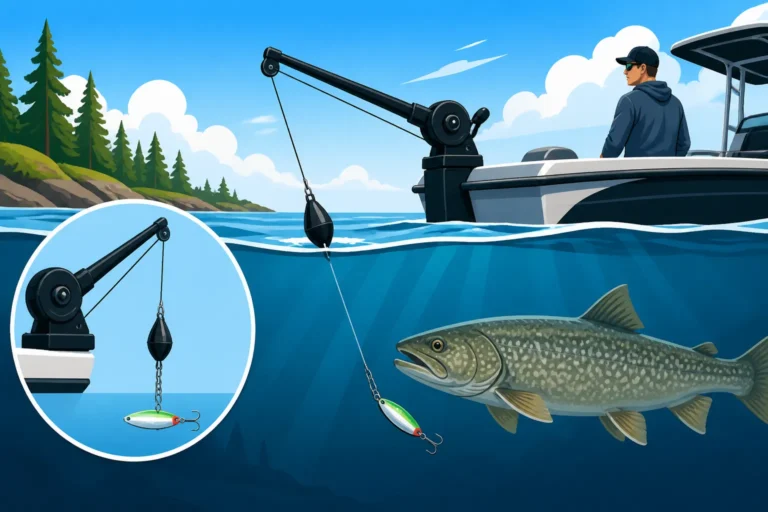
Given the vastness and depth of Georgian Bay, trolling is an incredibly effective method for covering large expanses of water and targeting muskie that are suspended or holding on deeper structures. This technique is particularly valuable when searching for fish in new areas or when muskie are not actively shallow.
Choose large, deep-diving crankbaits that can reach your desired depth, or use planer boards to spread out your lines and cover a wider path. Trolling speeds typically range from 3 to 6 mph, but experiment to find what the fish prefer on any given day. S-curves and changes in direction can often trigger strikes as your lure's action changes. Pay close attention to your electronics, looking for baitfish schools, thermoclines, and underwater contours. Target areas like long, tapering points, expansive offshore humps, and the edges of major shipping channels. Always use heavy trolling rods, line counter reels, and your heavy braid/leader setup. Trolling allows you to present multiple baits simultaneously and cover areas that would be impossible to cast effectively. It's also a great way to find new hotspots. If you're interested in covering more water efficiently, learning How to Catch Muskie in Ontario includes valuable insights into trolling tactics.
The Art of the Figure-Eight
This technique is arguably one of the most exciting and critical skills for any muskie angler, especially on Georgian Bay where fish are known for following lures right to the boat. A figure-eight is performed boatside when a muskie follows your lure but doesn't strike. Instead of simply lifting your lure out of the water, you quickly plunge your rod tip into the water and trace a large figure-eight pattern (or a big "C" or "O" shape) with your lure right next to the boat.
The sudden change in direction and speed often triggers a predatory strike from a following muskie. Keep your lure in the water for at least 5-10 seconds, making wide, smooth turns. Watch the fish's eyes; if they're locked onto your lure, keep working it. If the fish turns away, sometimes a sudden stop or a change in the size of your figure-eight can re-engage them. This technique requires quick reflexes and strong nerves, as a muskie striking at boat-side can be an explosive, splashy event. It’s not just a last-ditch effort; it's a fundamental part of the muskie fishing experience and accounts for a significant number of catches. Practice it, and you'll be amazed at how many fish you convert from curious followers to landed trophies.
Seasonal Strategies for Georgian Bay Muskie
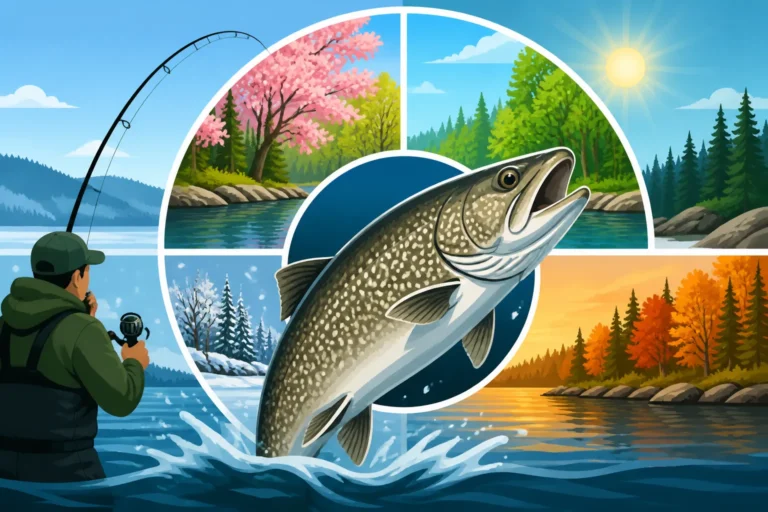
Muskie behavior on Georgian Bay changes dramatically with the seasons, largely influenced by water temperature, forage availability, and spawning cycles. Adapting your approach to these seasonal shifts is critical for consistent success. Our comprehensive guide on Ontario Fishing Seasons by Zone and Month can help you understand the broader picture.
Spring and Early Summer Tactics
The muskie season in Georgian Bay, which falls within Fisheries Management Zone (FMZ) 14, typically opens on the third Saturday in June. This "post-spawn" period is a fantastic time to target muskie, as they are often recuperating from spawning and looking to feed aggressively.
In late spring and early summer, muskie are often found in shallower waters, especially around bays and inlets that warm up faster. Look for emergent weed beds, rocky shoals, and points adjacent to spawning areas. Water temperatures around 60-70°F (15-21°C) are prime. Bucktails are incredibly effective during this period, retrieved quickly over structure. Medium-depth crankbaits and glide baits can also produce well. Focus on areas where baitfish like perch and suckers are abundant. Muskie are often found relatively shallow, in 5-15 feet of water, as they recover from spawning stress and actively seek easy meals. The fish are often fat and feisty, making for exciting fights.
Mid-Summer Heat Approaches
As Georgian Bay warms up in mid-summer (late July through August), muskie typically move to deeper, cooler water. They'll often relate to thermoclines, deep weed edges, and offshore structures like humps, reefs, and deep-water points. The fish can be found anywhere from 15 to 40+ feet deep.
Trolling becomes a highly effective strategy during this period, allowing you to cover vast areas and present deep-diving crankbaits or large soft plastics (like Bondy Baits) near the bottom or suspended in the water column. When casting, target the deep edges of weed lines with heavy jigs or large swimbaits, or cast over offshore rock piles and humps. Early mornings, late evenings, and overcast days can bring muskie shallower, presenting opportunities for topwater lures or shallow crankbaits over weed flats. Pay close attention to current, as muskie will often position themselves in current breaks to ambush baitfish that are pushed through. The key is to find the comfortable temperature zones where baitfish congregate, and the muskie won't be far behind.
Fall Feeding Frenzy
Autumn is often considered the peak season for trophy muskie on Georgian Bay. As water temperatures drop and winter approaches, muskie go on a furious feeding spree, bulking up for the lean months ahead. This is when you have the best chance of encountering truly massive fish.
Muskie will often move shallower again in the fall, particularly after turnover when the water column mixes. Look for them on prominent points, deep weed lines, and rocky shoals where baitfish are schooling. Large, slow-moving baits become incredibly effective. Think big crankbaits, heavy soft plastics, and especially large, bulky glide baits. The retrieve can be slower and more deliberate than in summer, focusing on enticing strikes rather than triggering reaction bites. Pay close attention to the weather; cold fronts can shut them down briefly, but stable fall weather often means active fish. The window for truly giant muskie is often narrow, occurring when water temperatures are in the 40s to low 50s Fahrenheit (4-12°C). This is the time to throw your biggest baits and dedicate long hours to the search for a true leviathan. Many anglers consider this the best time of year to pursue the Muskellunge Growth Rate to Trophy Size.
Safety and Conservation on Georgian Bay
Fishing for muskie on Georgian Bay is an incredible experience, but its vastness and sometimes unforgiving nature demand respect and preparedness. Beyond that, responsible angling practices are crucial for maintaining this world-class fishery.
Boating Safety and Navigation
Georgian Bay is notorious for its rapidly changing weather and intricate navigation. Always check the marine forecast before heading out, and be prepared for sudden shifts in wind and waves. A calm morning can quickly turn into a treacherous afternoon. A reliable, well-maintained boat with appropriate safety equipment is non-negotiable. This includes life jackets for everyone on board (required by Ontario Boating Laws for Anglers), flares, a bailing device, a whistle or horn, and a fully charged marine radio or satellite phone for emergencies, especially if you're venturing into remote areas.
Navigation on Georgian Bay can be challenging due to the thousands of islands and submerged shoals. A modern GPS with up-to-date charts is essential. Even with GPS, always maintain a watchful eye on your surroundings, especially when running at speed. Learning to read the water for subtle clues of shallow rock or shoals can save you from costly damage or injury. Operating a boat safely also requires a Pleasure Craft Operator Card Requirement for most powerboat operators. Tell someone your float plan – where you're going and when you expect to return. Never underestimate the bay; it's beautiful but can be unforgiving.
Responsible Catch and Release Practices
Muskie are slow-growing fish with relatively low reproductive rates, making responsible catch and release practices absolutely vital for the sustainability of the Georgian Bay fishery. Most muskie anglers practice 100% catch and release, and it's highly encouraged.
When you land a muskie:
- Keep it in the water as much as possible. Use your large, rubberized net to secure the fish boat-side.
- Minimize handling. Avoid touching its body, especially its eyes and gills. If you must lift it, support its entire body horizontally, or use a jaw spreader carefully if necessary.
- Quickly remove hooks. Use your long-nosed pliers or bolt cutters. If a hook is deeply embedded and difficult to remove, cut the hook rather than tearing the fish's mouth.
- Get your measurements and photos quickly. Have your measuring board and camera ready before the fish is netted. A good photo takes seconds, not minutes.
- Revive the fish gently. Hold the fish upright by its tail and under its belly in the water, facing into any current, until it can swim away strongly on its own. Do not thrust it back and forth; this can damage its gills.
These practices, along with understanding Muskie catch and release survival tips, significantly increase the fish's chances of survival and ensure future generations can experience the thrill of Georgian Bay muskie fishing.
Understanding Georgian Bay Regulations
Always, always consult the most current Ontario Fishing Regulations Summary before you hit the water. Georgian Bay falls within Fisheries Management Zone (FMZ) 14, and specific rules apply to muskie, including season dates, slot limits, and possession limits. For example, in FMZ 14, the muskie season typically opens on the third Saturday in June and closes on December 15th. There's often a slot size limit, meaning fish within a certain size range must be released, while one fish outside that range might be kept (check current regulations for specific numbers).
It’s crucial to know these specifics, as regulations can change. Ignorance is not an excuse for violations, and penalties for fishing without a license or violating limits can be severe, as detailed in our article on Fishing Without a License in Ontario: Penalties. Many anglers use the Fish ON-Line tool or carry a physical copy of the regulations summary. Pay close attention to any special regulations that might apply to specific bays or inlets within Georgian Bay. Staying informed protects both you and the fishery. To ensure you're always up-to-date, our guide to Ontario Georgian Bay muskie regulations is a must-read.
Advanced Tips for Trophy Muskie on Georgian Bay
Chasing trophy muskie on Georgian Bay isn't just about covering water; it's about understanding the subtle nuances of the environment and applying focused strategies. These fish are old, smart, and often solitary, requiring a different approach than smaller, more aggressive individuals.
Reading the Water and Weather Patterns
Experienced muskie anglers on Georgian Bay become adept at "reading" the water and weather. Wind direction and strength can push baitfish into certain areas, concentrating muskie. A consistent chop on the water often makes muskie more aggressive and less wary, breaking up their silhouette and making your lure look more natural. Calm, sunny days, conversely, can make muskie lethargic and push them deeper or into heavy cover.
Barometric pressure also plays a significant role. A stable or rising barometer often indicates active feeding, while a rapidly falling barometer (often signaling an approaching front) can shut them down. Conversely, after a front has passed and the pressure stabilizes, muskie can become active again. Pay attention to water clarity; in clearer water, longer leaders and more natural bait colors might be needed. Turbid water from heavy winds or rain might call for brighter, more vibrating lures. Keep a detailed log of conditions and catches to identify patterns over time. The ability to forecast and react to these environmental factors significantly increases your chances of encountering a trophy.
Targeting Big Fish Baits
If you want to catch a truly massive muskie on Georgian Bay, you often need to "match the hatch" – but for giant baitfish. Trophy muskie are calorie-conscious, and they're looking for substantial meals. This means throwing lures that imitate the larger forage species found in the bay, such as cisco (also known as lake herring), large suckers, and substantial yellow perch.
Consider using lures that are 10-16 inches long, or even larger, especially in the fall. Oversized glide baits, large soft plastics, and magnum bucktails (often with larger blades) are designed for this purpose. Don't be afraid to throw these massive offerings; a 50-inch muskie won't even bat an eye at a 12-inch lure. These larger baits move more water, create a bigger profile, and are more enticing to the biggest, oldest muskie that have seen every trick in the book. While these baits can be tiring to cast all day, the reward of a true giant is worth the effort.
Patterning Muskie Movements
Muskie, especially the biggest ones, are creatures of habit. While Georgian Bay is vast, individual fish often have predictable movements within their territories, moving between resting areas, feeding grounds, and deeper holding areas depending on conditions. The key to consistent success for trophy fish is to "pattern" these movements.
This involves meticulous observation. Did you get a follow from a specific point on an overcast afternoon? Did you see a muskie cruising a weed line early in the morning? Note these details. Over time, you might start to see trends: muskie using shallow bays in the morning, moving to deep rock transitions during midday, and returning to shallower ambush points in the evening. Pressure changes, moon phases, and wind can all influence these patterns. Use your boat's electronics to mark every interesting piece of structure, every baitfish school, and every muskie sighting. The more information you gather, the more you can refine your approach. Learning to pattern these movements is a long-term game, but it's what separates good muskie anglers from great ones on a complex system like Georgian Bay.
| Lure Type | Common Sizes | Ideal Conditions | Retrieve Style | Target Depth | Advantages |
|---|---|---|---|---|---|
| Bucktail | Double #8, #10, #12 | Choppy water, overcast, active fish, searching | Fast, steady, rip-and-pause | 1-15 feet | Covers water quickly, high vibration, good in weeds |
| Crankbait | 8-14 inches | Trolling, casting over deep structure, windy | Steady, stop-and-go, crank-and-pause | 5-30+ feet | Versatile, imitates large baitfish, deep reach |
| Glide Bait | 6-12 inches | Clearer water, finicky fish, thorough working | Twitch-and-pause, "walk the dog" | 2-15 feet | Unique erratic action, triggers follows |
| Topwater | 6-10 inches | Low light, calm water, shallow weeds/flats | Walk-the-dog, chugging, steady prop | Surface | Exciting visual strikes, effective in skinny water |
| Soft Plastic | 8-14 inches | Deeper water, slow retrieve, subtle presentation | Slow roll, jigging, retrieve with pauses | 10-40+ feet | Realistic profile, can be worked slowly |
Disclaimer
The information provided in this guide is for general informational purposes only and is not a substitute for official regulations. Fishing regulations, season dates, and limits for Georgian Bay (FMZ 14) are subject to change by the Ontario Ministry of Natural Resources and Forestry. Always consult the current Ontario Fishing Regulations Summary before engaging in any fishing activities. Adherence to all local, provincial, and federal laws is the sole responsibility of the angler.