How to catch muskie on Georgian Bay
Few fishing challenges in Ontario are as daunting, or as rewarding, as chasing muskellunge on the vast, complex waters of Georgian Bay. Many anglers feel a mix of excitement and intimidation when contemplating a muskie hunt here, wondering how to even begin tackling such an immense fishery for a fish renowned for its elusiveness and sheer power. This guide aims to demystify the process, offering practical, in-depth advice on everything from understanding these apex predators to choosing the right gear and employing proven techniques to boost your chances of landing one of Georgian Bay's true giants.
Understanding Georgian Bay Muskellunge Behavior and Habitat
Georgian Bay isn't just a big body of water; it's a diverse aquatic landscape, a veritable labyrinth of islands, shoals, deep channels, and sprawling weed beds. This incredible variety of structure is precisely why it's one of the Best Muskie Waters in Ontario, but it also means understanding muskie behavior in this specific environment is paramount. These fish are apex predators, and their habits are dictated by prey availability, water temperature, and cover.
The Dynamics of Georgian Bay's Structure
Georgian Bay's unique geology, with its rugged Canadian Shield shoreline and thousands of islands, creates an endless array of muskie habitat. You’ll find them relating to specific types of structure depending on the season and time of day. For instance, shallow, rocky shoals and weed lines are often key holding areas, especially in the warmer months. These areas provide ambush points for muskie, allowing them to hide and dart out at unsuspecting baitfish like ciscoes, whitefish, and suckers.
However, Georgian Bay also boasts incredible depths. Muskie, particularly larger ones, will often use deep water access points. This means a prime spot might be a deep rock point that quickly drops off into 50-100 feet of water, but with shallower sections nearby where baitfish congregate. Look for areas where these different depths converge, or where current is funnelled around islands or through narrow passages. The sheer scale can be overwhelming, but breaking it down by identifying these key structural elements will give you a much better starting point.
Seasonal Movements and Feeding Patterns
Muskellunge in Georgian Bay, like all fish, are slaves to the seasons and water temperature. Their patterns shift dramatically throughout the year, meaning what works in June certainly won't be effective in October. Early in the season, after the spawn, muskies are often found in shallower, warmer bays and around emerging weed growth, recovering from their strenuous spawning activities and looking for an easy meal. This can be a prime time for casting smaller baits.
As summer progresses and water temperatures rise, muskies often move to deeper breaklines, outside edges of weed beds, or suspend over deep water, especially if they are targeting pelagic baitfish like ciscoes. This is when trolling can become incredibly effective, covering vast amounts of water to find actively feeding fish. Come fall, as the water cools, muskies enter their "feed bag" period, bulking up for winter. They often move shallower again, aggressively feeding on large baitfish, making this a prime time for trophy hunting with big baits. Understanding these Muskellunge Habits in Georgian Bay is crucial for success.
Essential Gear and Tackle for Georgian Bay Muskie
Let's be real, Georgian Bay muskie are not for the faint of heart, and neither is the gear required to catch them. This isn't your average panfish setup. Muskie fishing demands heavy-duty equipment that can withstand powerful strikes, violent head shakes, and the sheer brute force of a fish that can easily exceed 50 inches and 40 pounds. Skimping on tackle will lead to heartbreak, lost fish, and a lighter wallet in the long run.
Rods, Reels, and Line Built for Battle
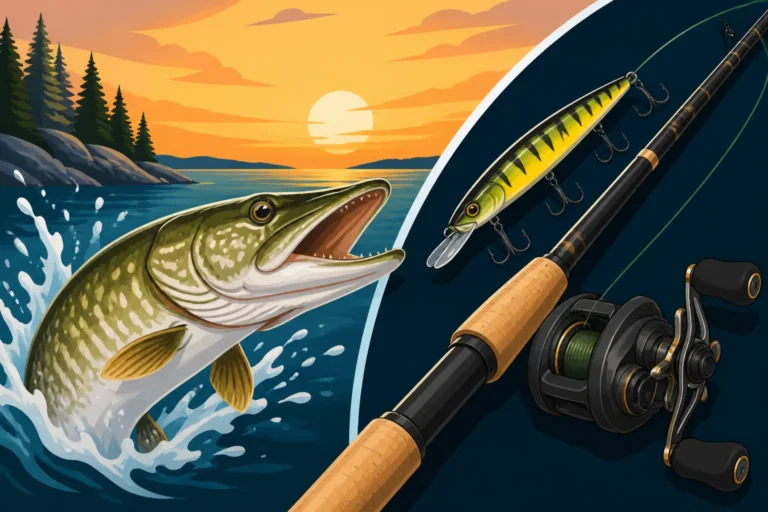
When it comes to rods, think heavy power and a fast action. A rod between 8'6" and 9'6" is ideal for casting large, heavy muskie lures all day long. This length provides leverage for long casts, absorbs shock, and helps control a powerful fish boatside. Look for models from reputable brands known for their muskie gear. For reels, a heavy-duty baitcasting reel with a low gear ratio (around 5.1:1 to 6.1:1) is crucial for cranking in large baits and battling big fish. A low gear ratio provides more torque, making it easier to retrieve large, high-resistance lures. Ensure it has a strong drag system and ample line capacity.
Line choice is non-negotiable: braided line, typically 80-100 lb test. The zero-stretch properties of braid allow for solid hooksets, excellent feel, and incredible strength to pull fish out of cover. A good quality fluorocarbon or heavy-duty wire leader is also absolutely essential to prevent toothy muskie from cutting your line. Don't cheap out on leaders; a 150-200 lb test fluorocarbon leader or a robust multi-strand wire leader, at least 18 inches long, is a must. You can find a wide selection of these specialized items on sites like Amazon. For a more general overview, check out our guide on Best Muskie Gear for Ontario Waters.
Lure Selection for Georgian Bay Giants
Georgian Bay muskies are opportunistic feeders, but they can also be incredibly finicky. Having a diverse selection of lures is key. Your tackle box should include:
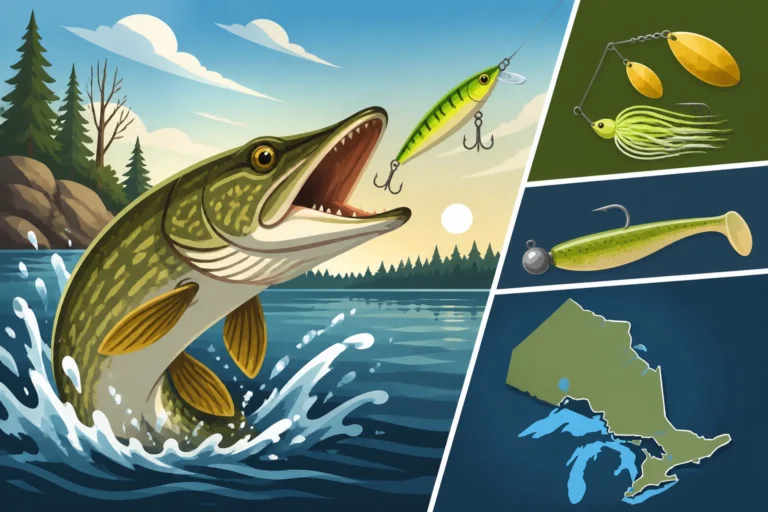
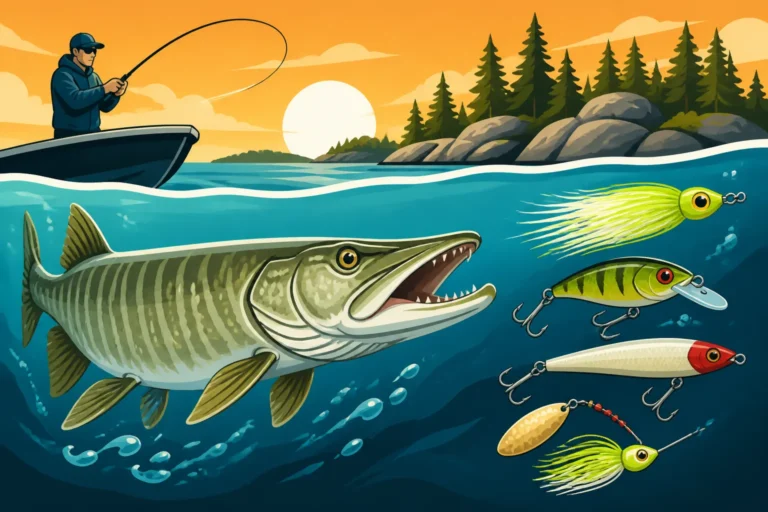
- Bucktails: These are perhaps the most iconic muskie lure. Large double-bladed bucktails (e.g., in-line spinners with two large Colorado or Willow blades) are fantastic search baits and can provoke reaction strikes. Sizes from #8 to #10 are common, with custom options often going even larger.
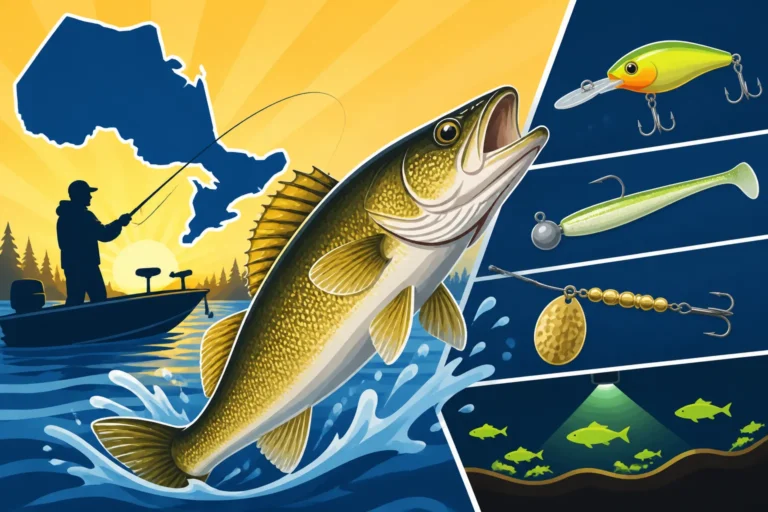
- Crankbaits: Deep-diving crankbaits are essential for trolling deeper sections or casting over submerged structure. Lipless crankbaits also have their place. Look for larger sizes, 8-15 inches, that imitate the local forage.
- Glide Baits and Jerkbaits: These are more finesse-oriented and require specific retrieve techniques, but they can be deadly for stubborn fish. Their erratic, side-to-side action can entice followers into striking.
- Soft Plastics and Swimbaits: Large soft plastic baits, often rigged on heavy jig heads, offer a different profile and action. Paddle-tail swimbaits up to 12-14 inches can be incredibly effective, especially when muskies are feeding on larger prey.
- Topwater Lures: While not always the primary choice, an explosive topwater strike from a muskie is an unforgettable experience. Large prop baits, walk-the-dog style lures, and even soft plastic frogs can call fish up from the depths in low-light conditions or over shallow cover.
Remember, the goal is often to "match the hatch" or provide a unique presentation. Experiment with colors and sizes, but generally, natural patterns work well in clear Georgian Bay waters, while brighter colors can be effective in stained areas or on cloudy days. You'll find a massive array of options, including many locally made and specialty muskie baits, on platforms like Amazon, making it easy to build your arsenal.
| Lure Type | Best Use Case | Typical Size Range (inches) | Common Retrieve Style |
|---|---|---|---|
| Bucktails | Search bait, covering water, reaction strikes | 8-15 | Fast, steady retrieve; pauses |
| Deep Crankbaits | Trolling, deeper casting, imitating forage | 8-14 | Steady retrieve; stop-and-go for depth |
| Glide Baits | Finesse, enticing followers, erratic action | 6-12 | Jerk-pause, wide sweeps |
| Soft Swimbaits | Mimicking large forage, versatile | 8-14 | Slow roll, jigging |
| Topwater Lures | Low light, shallow cover, explosive strikes | 6-12 | Walk-the-dog, chug, pop |
Proven Techniques for Targeting Georgian Bay Muskie
Catching a muskie on Georgian Bay isn't just about having the right gear; it's about employing the right strategies and having the patience of a saint. These fish are often called "the fish of 10,000 casts" for a reason, but with a strategic approach, you can significantly improve your odds. There are two primary techniques that dominate Georgian Bay muskie fishing: casting and trolling.
Mastering the Art of Casting
Casting for muskie is a physically demanding endeavor but offers the exhilarating reward of a direct strike. This technique is particularly effective around islands, rocky points, shallow weed beds, and along drop-offs. The key is to make accurate casts to likely ambush points. Think about where a muskie would hide to surprise its prey – submerged logs, rock piles, dense weed edges, or sharp breaks in depth.
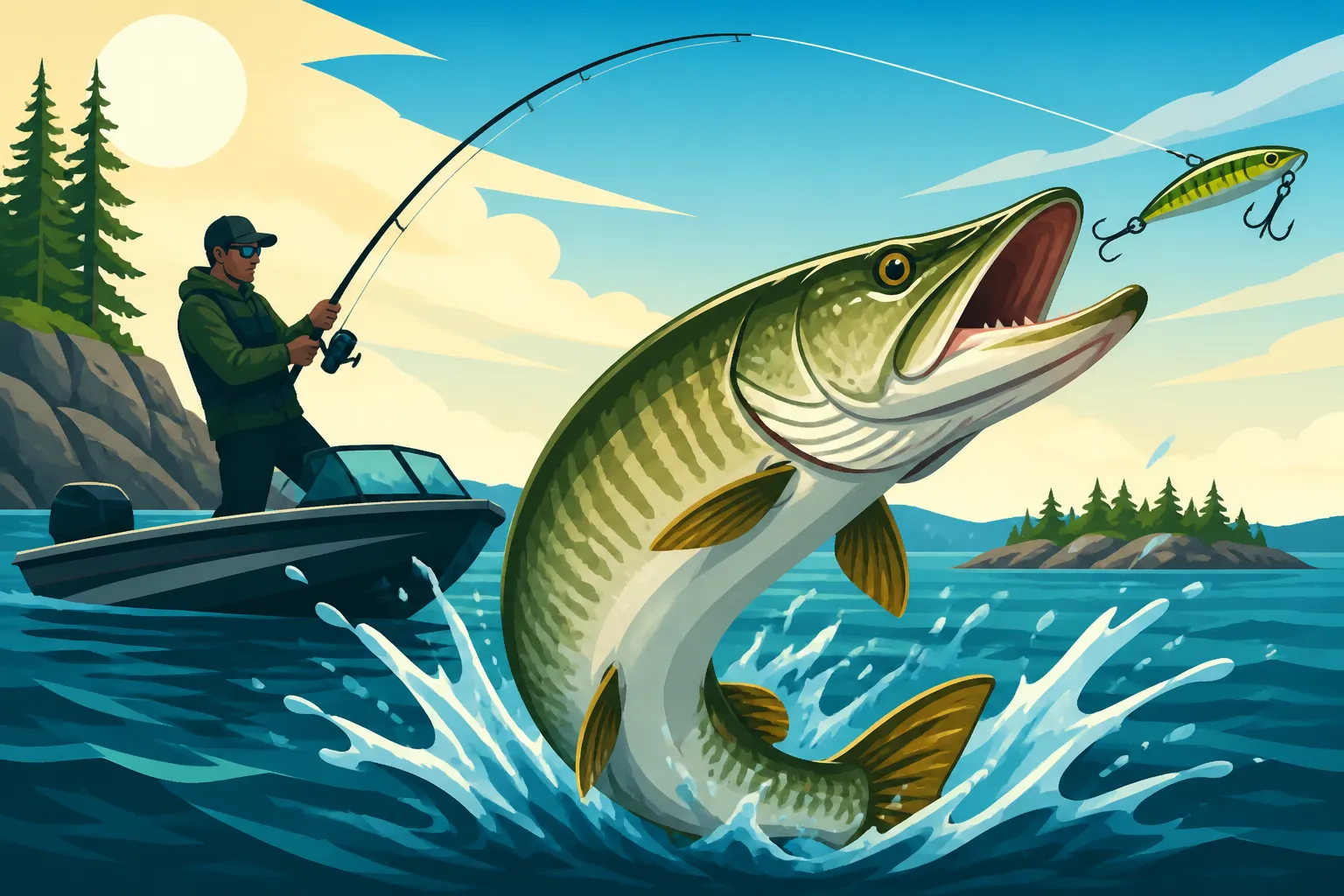
When casting, always remember the "figure-eight." When your lure reaches the boat, immediately plunge your rod tip into the water and trace a large, figure-eight pattern with your lure directly beside the boat. Many muskie will follow a lure all the way to the boat, only striking when they feel it's about to escape. A perfectly executed How to figure eight a muskie boatside can turn a follow into a catch. Vary your retrieve speed and incorporate pauses to make your lure appear injured or erratic, triggering predatory instincts. Persistence is crucial; keep casting, keep experimenting, and cover as much prime water as possible.
Effective Trolling Strategies
Trolling is often the preferred method for covering vast expanses of water on Georgian Bay, particularly when muskies are scattered or holding deeper. This technique allows you to present multiple lures at different depths and speeds, increasing your chances of encountering an active fish. Trolling is especially effective over large flats, along deep weed lines, or when targeting suspended fish in open water.
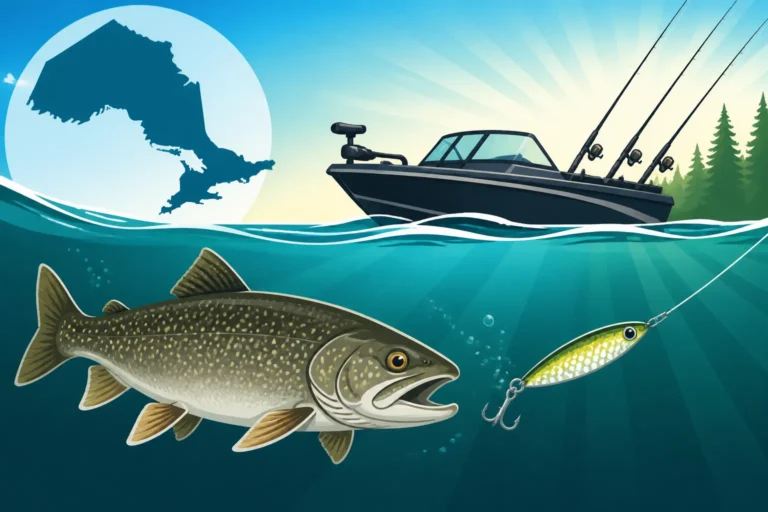
Consider using planer boards to spread your lines out, mimicking a school of baitfish and covering a wider path. Downriggers can be invaluable for precisely targeting specific depths, especially when muskies are holding tight to thermal breaks or deep structure. Pay close attention to your speed; the Best trolling speed for muskie can vary widely depending on the lure, water temperature, and fish activity, but generally ranges from 3-6 mph. Experiment until you find what triggers bites. Trolling is a fantastic way to find patterns and locate pods of active fish on such a massive body of water, making it an indispensable technique for Muskellunge Fishing in Ontario.
Seasonal Strategies and Best Times to Target Georgian Bay Muskie
Georgian Bay muskie fishing is a year-round passion for many, but the tactics, locations, and success rates change dramatically with the seasons. Understanding these shifts is paramount to consistent success, moving beyond simply hoping to intercept a fish. Each period offers unique opportunities and challenges for anglers.
Spring and Early Summer: Post-Spawn Recovery
After the rigors of spawning, which typically occurs in late spring, Georgian Bay muskies enter a recovery phase. During this time, they often inhabit shallower, warmer bays, protected coves, and areas with emerging weed growth. These spots offer both warmer water and a readily available food source, as smaller baitfish and panfish are also moving into these areas.
This period, typically from the opener in June into early July, is a great time for casting smaller to medium-sized bucktails, twitch baits, and even some topwater lures in low-light conditions. Focus your efforts on the transition zones between shallow cover and slightly deeper water. While the fish are recovering, they are also actively feeding to regain energy, making them susceptible to a well-presented lure. Patience is key, as bites can be sporadic, but the reward of an early-season Georgian Bay muskie is well worth the effort. Always double-check the Ontario Fishing Season Dates by Zone for specific opener information.
Mid-Summer: Deep Water Transitions
As the summer sun heats Georgian Bay's waters, especially from mid-July through August, muskie behavior shifts. Many fish move out of the warmest shallow bays and seek comfort in deeper, cooler water. They'll often relate to deeper breaklines, rock piles that extend from shore into significant depths, or suspend over thermoclines in open water, following schools of ciscoes and other pelagic baitfish.
This is prime time for deep trolling with large crankbaits, spoons, and heavy soft plastics. Using your electronics to identify baitfish schools and underwater structure is critical. While casting can still be effective around deeper points and islands, covering water through trolling becomes a more efficient strategy. Early mornings and late evenings, or overcast days, can still see fish moving shallower to feed, but during the bright midday hours, expect to find them holding deeper. Don't forget to review your Ontario Fishing Regulations Explained to ensure you're compliant with all rules, especially regarding size and possession limits.
Fall: The Trophy Hunt
Without a doubt, fall is often considered the most exciting and productive time to target trophy muskie on Georgian Bay. As water temperatures begin to drop in September and October, muskies enter a "feed bag" period, aggressively bulking up on calories for the long winter ahead. Their metabolism is high, and they become much more willing to chase down large baits.
During fall, muskies will often move shallower again, congregating around main lake points, rocky reefs, and the remaining green weed beds. They are focused on eating large, calorie-rich meals. This means it's time to throw your biggest bucktails, gliders, and swimbaits. Trolling large baits is also incredibly effective, especially along offshore reefs and deep structure where baitfish are schooling. This is when you put in the hours, knowing that every cast or every troll pass could connect you with the muskie of a lifetime. Many experienced anglers specifically focus their efforts on Best Techniques for Fall Muskie Fishing for this very reason. It's also a good reminder to ensure your Ontario Outdoors Card, Explained is current, as a valid fishing license is always required.
Essential Considerations for Georgian Bay Muskie Anglers
Beyond the gear and techniques, there are several vital considerations that any angler pursuing muskellunge on Georgian Bay needs to keep in mind. These range from safety on the water to ethical practices that ensure the future of this incredible fishery. Remember, every angler over the age of 18 needs a valid fishing license. You can learn Where and How to Buy an Ontario Fishing License easily.
Boat Safety and Navigation on Georgian Bay
Georgian Bay is vast, beautiful, and can be incredibly treacherous if you're not prepared. Its thousands of islands and submerged shoals make navigation a serious undertaking. Always have up-to-date charts (both paper and electronic on a reliable GPS unit), and know how to use them. The weather can change rapidly, with calm waters turning into formidable waves in a matter of minutes. Always check the forecast, and be prepared to cut your trip short if conditions worsen.
Ensure your boat is equipped with all necessary safety gear, including life jackets for everyone on board (easily found on Amazon), a sound-signalling device, bailer, and emergency kit. If you're operating a motorized vessel, you'll need an Ontario Pleasure Craft Operator Card Requirement. Don't venture out alone without telling someone your float plan, and always be aware of your surroundings. Respect the power of Georgian Bay, and it will treat you well.
Catch and Release Best Practices
Muskellunge are a prized sport fish, and their populations are relatively fragile. Most muskie anglers practice catch and release exclusively, especially for the larger, older fish that are vital for spawning. Proper handling is absolutely critical to ensure the fish's survival. This means minimizing the time the fish is out of the water, having the right tools on hand, and handling the fish with care.
Always use a large, rubber-coated landing net specifically designed for muskie. Keep the fish in the net in the water while you prepare for release. Use long-nosed pliers and jaw spreaders (also available from Amazon) to quickly and safely remove hooks. Avoid placing your fingers in the gill plates or lifting the fish vertically by its jaw. Support the fish horizontally with two hands or cradled in the net. Once hooks are removed and a quick photo taken, allow the fish to recover in the water, holding it gently upright until it swims away under its own power. Following these Muskie catch and release survival tips helps ensure these magnificent fish continue to thrive in Georgian Bay for generations to come.
Respecting the Fishery
Beyond individual fish handling, respecting the Georgian Bay muskie fishery means understanding and adhering to all regulations, being mindful of other anglers, and leaving the environment better than you found it. This fishery is a precious resource, enjoyed by many, and it takes collective effort to maintain its health.
This includes understanding specific slot limits or harvest restrictions that might apply to muskie in certain zones. Always consult the most current Ontario Fishing Regulations Summary. If you're unsure about any aspect of the rules, take the time to clarify. Learning How to Catch Muskie in Ontario goes hand-in-hand with being a responsible steward of the natural environment.
Disclaimer
The information provided in this guide is for general informational purposes only. Fishing regulations, season dates, and conditions can change. Always consult the most current Ontario Fishing Regulations Summary published by the Ministry of Natural Resources and Forestry (MNRF) before heading out on the water. Stay safe and fish responsibly.